

The West End gave him his dream role. Recovery gave him his purpose. Now he’s showing LGBTQ+ people they can have both.
Jordan Simon Pollard graces the stage as Javert in Les Misérables, though his most powerful performance happens offstage. Eight shows a week at the Sondheim Theatre, he is the understudy of Javert, the relentless inspector who pursues Jean Valjean but, offstage, he’s pursued his own redemption story. As a proud gay man in recovery, he’s transformed his own struggles with addiction into a lifeline for others in the LGBTQ+ community. Through sponsorship and advocacy, he reminds us that Pride isn’t just about celebration, it’s about showing up for people who need it most.
Jordan is a truly beautiful human being whose bravery humbles all who learn of his story. He is as inspirational as he is honest, as raw as he is radiant, with a voice that speaks volumes of his generous heart. “I jokingly say, Les Mis has been my Rehab,” he shares with that distinctive mix of humor and vulnerability that characterises his approach to recovery. There’s nothing funny about the courage it takes to stay sober in industries where substance use is embedded in the social fabric, where champagne toasts mark every opening night, where the pub is the default debrief location, where “just one drink” is the perpetual siren song.
“When I was asked to join the West End Production of Les Misérables, I knew I had to clean myself up. It’s always been my dream show, and being a performer was my childhood ambition. I got a little lost on the way, but theatre now is my safe space.” The irony isn’t lost on him – that the show about redemption, second chances, and the power of grace became his own catalyst for change.
The journey wasn’t easy. For years, the rituals of theatre life had become inextricably linked with drinking. “Being hungover on stage, with the heat of the lights beaming down on you, and 1,500 people watching you, was never fun.” He pauses, remembering those moments of fighting nausea while trying to hit his marks, deliver his lines, maintain the illusion. “Somehow, I convinced myself it was just part of the lifestyle.”
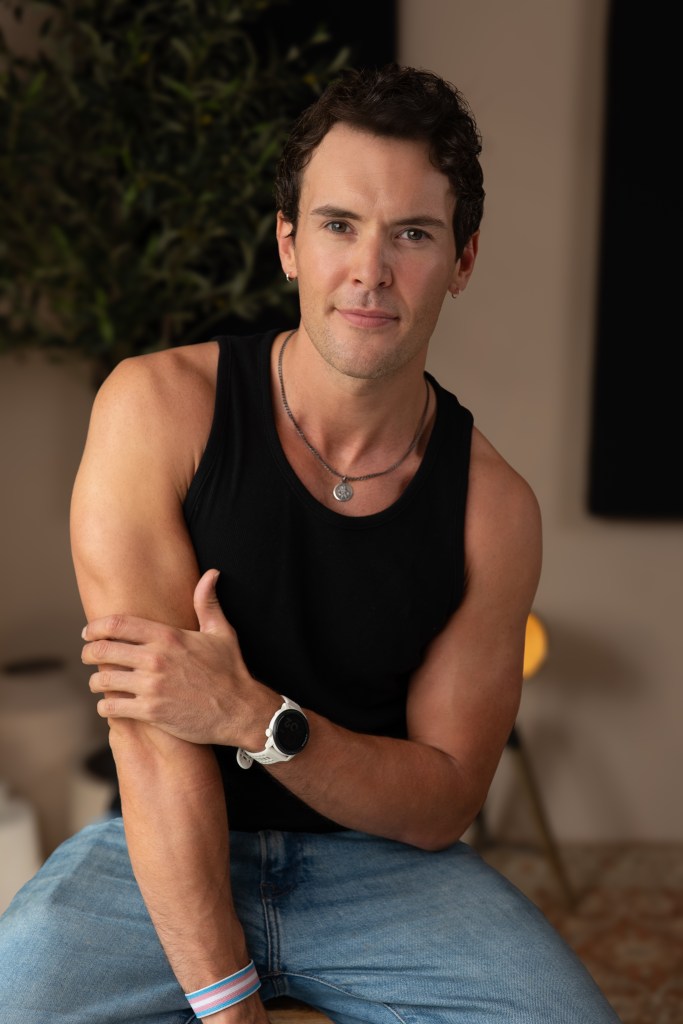
Theatre parties, Pride events, cast celebrations, Jordan used to use these occasions as vessels to feed his addiction. The perfect reason to drink as much as he wanted to. The party-scene was, invariably, an extension of theatre life. The stereotype of the tortured artist, creativity fueled by excess, the romantic notion of the drunk genius; these myths permeate the performing arts. Yet, behind the glamour, Jordan was drowning.
“I had to remove myself from certain social situations in the first few months of my sobriety,” he admits. The “fear of missing out” was real. Watching Instagram stories of cast parties he wasn’t attending, seeing friends at the stage door heading to the pub while he headed home. “Once I realised that it was music that made me dance, it was my friends that made me laugh, it was our achievements as a cast that made me proud, I came back to the core of why I socialise. Connection.”
This revelation was revolutionary. All those years, he’d believed alcohol was the magic ingredient, the thing that made him fun, made him belong, made him creative. Stripped of substances, he discovered something profound: “It’s easy to assume that as a sober person I’m depriving myself of so much, yet I’ve actually gained so much from claiming my life back that I can’t let that go. That keeps me sober.”
What he’s gained reads like a love letter to recovery: genuine friendships where he remembers every conversation, performances where he’s fully present, mornings without shame spirals, the ability to be there for others when they need him. The effects are endless.
In recovery, Jordan discovered something profound about his craft that every drama school should teach. “You start feeling your emotions again but in HD, without any assistance in numbing them or escaping from them. It can be a little overwhelming.” He leans forward, animated now, the performer in him emerging. “Connecting with myself, and how I truly feel, has opened me up as an actor. I’m far more present on stage than I used to be.”

This presence is palpable. Watch him as Javert and you see an actor fully inhabiting the role. Every gesture intentional, every line delivered with clarity and conviction. His fellow cast members have noticed the transformation too. Where once he might have been going through the motions, now he brings a rawness, an authenticity that elevates every scene he’s in.
Jordan’s story is about more than personal transformation. It’s about community, about redefining what Pride means in 2024. “Pride, to me, has always been about showing up for people who need it most. We march for the people around the world who cannot march. We protest for our Trans-siblings whose rights are being challenged more and more each day.” His voice grows stronger, more passionate. “I want to show members of our community, who may be struggling with substance misuse, that there is a joy filled alternative to this pride. Queer lives deserve hedonism, yet when the line is crossed to dependence on alcohol and drugs, I’ve got you.”
That last phrase, “I’ve got you”, carries weight. It’s not just words; it’s a promise he keeps through his sponsorship and advocacy work, making himself available for others in the LGBTQ+ recovery community who need support.
He shows other LGBTQ+ people in recovery that someone understands that specific struggle, that feeling of having to choose between your sobriety and your community, when actually you can have both. The queer community’s relationship with substances is complex, rooted in histories of trauma, discrimination, and the fact that for decades, bars were our only safe spaces. “I’ve connected with so many fellow sober actors that have had similar struggles to me and those friendships have been so important to me maintaining my sobriety.”
These connections form a different kind of chosen family. They check in before big auditions, celebrate booking confirmations with mocktails, and understand why he might need to leave a cast party early. They get it in a way that others, however well-meaning, might not.
Jordan draws a powerful parallel that resonates deeply with anyone who’s walked both journeys: “When we first realise we are gay, we feel so alone, but then we find our community. It’s the same when we feel our coping mechanisms may have gone too far and we are drinking or using daily, we feel so alone, but then we find our community. Don’t be afraid to find people who can help you.”
The words hang in the air, their weight understood by anyone who’s ever hidden a fundamental truth about themselves.
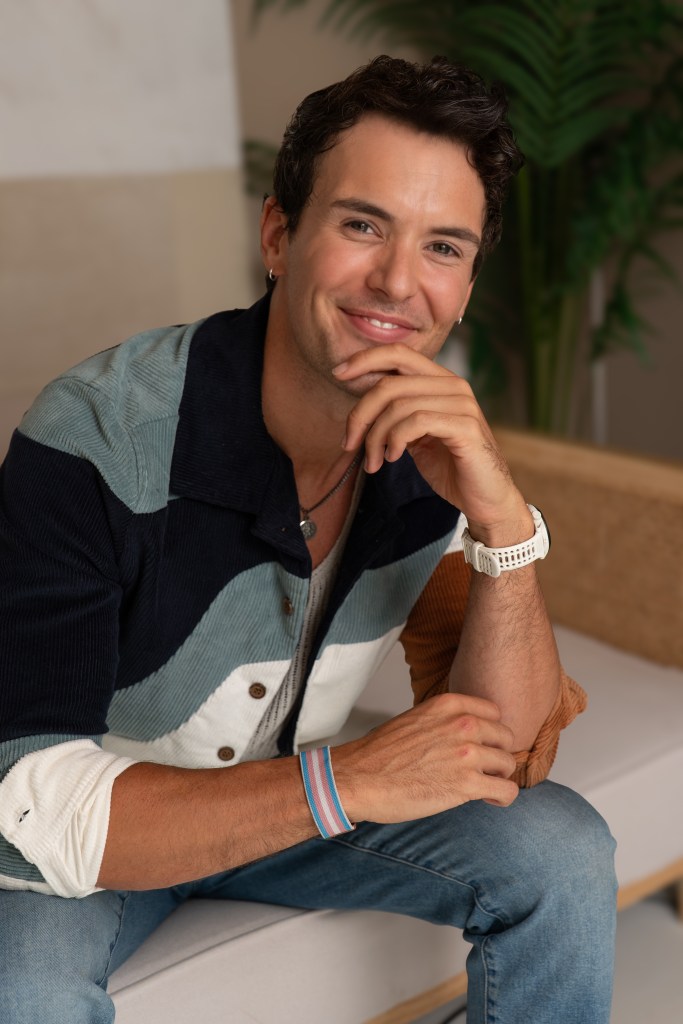
The vulnerability required to share this journey wasn’t immediate. Jordan’s eyes soften as he reflects on those early days. “I never thought I’d be sharing my story openly when I first started my recovery. I knew I had to stop. I wasn’t functioning normally anymore.” The admission is matter-of-fact now, but you can hear echoes of the desperation that once colored those words. “As I got deeper into my sobriety, the shame started to lift and I felt so proud of each milestone. Once I started sharing these I connected with so many beautiful people on a similar journey. Being vulnerable brought people into my life that I never knew I needed.”
The ripple effects of his openness continue to surprise him. After posting about his sobriety anniversary on Instagram, his DMs flooded with messages, some from people he’d partied with who were questioning their own relationship with substances, others from fans who’d been inspired to seek help, cast members from other shows reaching out in solidarity. Each message is a reminder that shame thrives in silence, while recovery flourishes in community.
“I would tell my younger self not to be so scared of opening up to people.” It’s advice he now gives freely to anyone who’ll listen. That younger Jordan, the one who thought he needed liquid courage to be himself, who confused numbing with coping, who nearly let addiction steal his dreams, would be amazed at the man he’s become.
His voice carries both in the West End and in the rooms where he helps others find theirs. “I guarantee to anyone reading this who may feel shame around some of their behaviours, that there are people out there who understand.” It’s not just platitude; it’s lived experience. Through sponsorship and advocacy, he actively supports others in the LGBTQ+ recovery community. Every day, he proves that recovery isn’t about perfection, it’s about progress, connection, and showing up.
Jordan’s story calls to the everyday heroism of staying sober in industries and communities where substance use is often normalized. In a world where “happy-hour” is celebrated and “bottomless brunch” is a weekend staple, choosing sobriety can feel like swimming against a powerful current. Jordan reminds us why connection—not substances—is what truly sets our souls on fire.
“Recovery gave me my life back, and more than that, it gave me the chance to help others reclaim theirs,” Jordan reflects. “If sharing my story helps just one person realise they’re not alone, that there’s another way, then every moment of vulnerability is worth it.”

The lights of the West End await, another performance beckons. For Jordan Simon Pollard, the most important performance, the one where he shows up authentically, soberly, courageously, never ends. This is the performance that’s saving lives, one day more, one day at a time. In the show, which gave him back his life, they sing of tomorrow being the judgement day. For Jordan, every tomorrow is a day of choosing recovery, choosing connection, choosing life.
 neunmagazine.com