

Once glamorised in lyrics and lifestyle, alcohol is losing its grip on music culture as more young people and performers embrace sobriety as an act of empowerment.
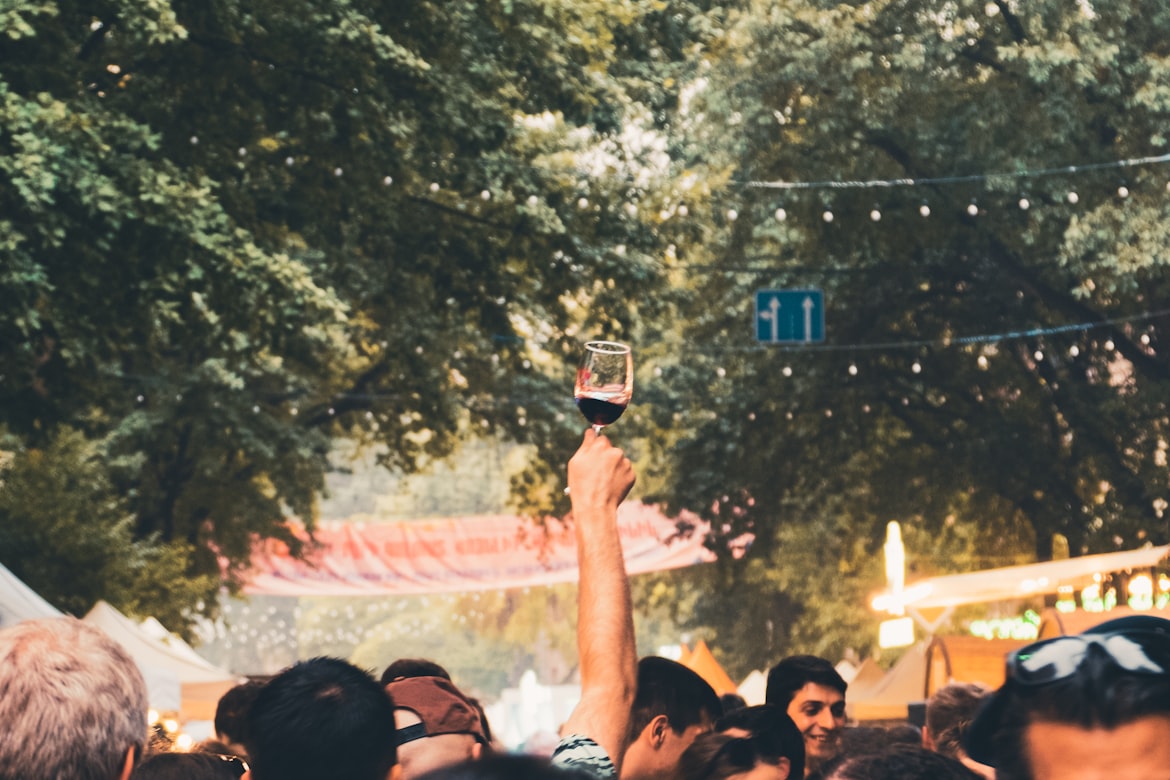
Festival season has officially begun. For many of us, that means listening to live music, dancing in glittery outfits while holding glasses of alcohol in our hands. Lots of glasses. The feeling might be fun and exciting until you wake up the next morning, and you can’t remember that you saw your favourite band the day before. This almost instinctive action of drinking is also shaped by old music bands. For decades, musicians like the Rolling Stones or 90s icons Oasis used to perform with a beer in their hand, like an inseparable duo. In their famous song “Cigarettes and Alcohol”, Oasis artists don’t just reflect the drinking and smoking excess – they glamorise it. For young audiences, hearing “I was looking for some action, but all I found was cigarettes and alcohol” sounds like an act of rebellion. This behaviour can be seen as “cool”, rather than dangerous and problematic.
As a teenager, I used to listen to and admire artists like Charli XCX, Post Malone, and Mac Miller, not only for their music but also for their stage presence. They had this charisma aligned with an “I don’t care” attitude. They looked like they didn’t own anything to anyone, they were just there, having a good time. Then, I realised they were all dealing with addiction. Being an artist has long seemed synonymous with self-destruction. From Mac Miller, who died at the age of 26 from an overdose of alcohol, cocaine, and fentanyl, to Amy Whinehouse’s tragic end with alcohol and Kurt Cobain’s heroin addiction, it seems like to create magic, the artist has to be influenced by an intoxicating substance. As if it’s a usual part of the creative process.
So, when I bought my first festival tickets, I didn’t just plan my outfits or my schedule, I also expected to drink. One thing I remember is how everyone at festivals seemed to have taken alcohol, drugs, or both. Because, where else can you live like a Rock’n’Roll star than at a festival, where cracking open your first can at 8 am for breakfast is acceptable? Choosing not to be ‘wasted’ almost felt like a statement.
As a matter of fact, in recent years, sobriety has become more than just a health decision. It’s become a cultural shift. A 2024 study from YouGov for the Portman Group found that 44% of 18 to 24-year-olds in the UK consider themselves as occasional or regular drinkers of alcohol alternatives, compared to 31% in 2022.
Why is it happening? Yes, alcohol is expensive, but it’s not the only reason. Being fully present in the moment, remembering what you did last night, and waking up without a headache – people want to enjoy themselves in a more conscious way. Drinking doesn’t seem as “cool” as it used to be. Terms like “sober curious” have gained popularity, as moderate drinking or abstaining from alcohol becomes a conscious lifestyle. It allows us to question why we drink, especially in social spaces like music festivals.
“There are so many people who want to change their relationship with alcohol, but the fear of missing out stops them from doing so.” – Millie Gooch, founder of Sober Girl Society
This shift is also visible on stage. In the music industry, more and more artists are considering the decision to get sober, and many are openly speaking about their decision. From Florence Welch to Jordan Stephens, the taboo about addiction is increasingly disappearing, and artists explain how it has transformed their creativity and their careers.
Florence, lead singer of Florence + The Machine, has spoken on several occasions about her journey to sobriety. For British Vogue, she explains: “I don’t believe in self-destruction as a means to creativity anymore. And the less preoccupied I am with what I look like, or what I did last night, the more energy I have to give to my work.”
Welch chose to be sober at the age of 27. She started to stop her alcohol consumption at the same time as recovering from her eating disorders. “Five years ago, I could have told you how much (my weight is) in the morning, at night, clothes on, clothes off. With and without jewellery. To let go of that sometimes feels like a bigger achievement than headlining Glastonbury.” In an interview with Munroe Bergdorf on the podcast The Way We Are, she explains “Now, I can move through the world with so much more freedom and independence, I’m so much more in tune with what I want, what I like and what I want to make.”
For other artists, this choice feels more like a necessity. It’s the case for DJ Luke Solomon, a house music artist who chose sobriety ten years ago, after the death of one of his friends due to alcohol addiction. Solomon has admitted that the use of drugs and alcohol seen as “recreational and celebrated” is the biggest problem in the music industry. The DJ said that he now feels “incredibly focused” with “so much to write about” since he’s become sober.
But despite sobriety positively changing artists’ behaviour, even in 2025, it’s not always well-received. UK hip-hop artist Jordan Stephens recently lost a brand deal with Madri Excepcional, a zero-alcohol beverage company, after sharing his journey to sobriety in his memoir. He said to The Times, “We got the conversation going and then I got an email a week later saying that they’d reviewed my online presence and felt … I was too outspoken about my sobriety for the role of ambassador. A zero percent brand saying you’re too sober is mental.” This stance from the Madri Excepcional shows that despite the growing awareness of the issue, the taboos surrounding addiction are still very much alive. Sobriety is trendy, but it can still make people uncomfortable when it stems from problematic consumption and addiction.
Although alcohol and drugs are deeply rooted in festival culture, a quiet shift is happening. And the choice of artists to freely talk about it being problematic enables festival-goers to understand that they don’t have to lose themselves in a haze of drink and drugs to feel alive. All across the UK, alcohol-free festival spaces and sober raves are popping up, giving alternatives to those who want to have fun all night – and remember it the next day.

One thing remains sure: choosing sobriety is not about being perfect. It’s mostly about being present. If more and more artists are speaking publicly about it, it’s not because being sober is new, but it’s likely because audiences are now ready to listen. If we only drink to feel more social, funny, or confident, then it’s not a couple of beers that we’re looking for, but perhaps the courage to fully feel like ourselves.
 neunmagazine.com