
by Liz Hazard
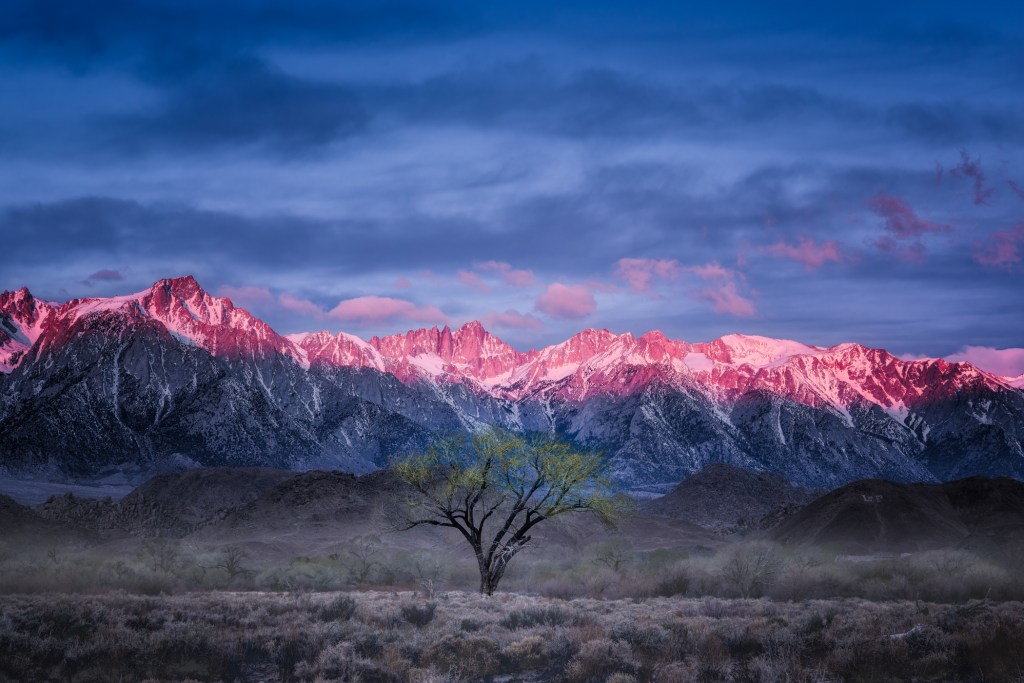
Seeking reverence in wild silence, a photographer surrenders to the road where beauty becomes a portal beyond the merely ordinary.
Photographer KP Madhavan is on a personal, creative quest capturing images across diverse terrains, climate, time and emotions. Over a year ago he packed up his New York City flat and took to the open roads with camera in hand. Not knowing what lay ahead was all part of the journey; and part of the images and stories that would unfold. Traversing landscapes, climates, terrains and emotions, Madhavan boldly captures images that are hauntingly beautiful. Standing at the edge of transformation and discovery, Madhavan’s photos almost appear as paintings; the colours, shadows and attention to detail are paramount. Inviting us along on this melancholic, personal, introspective study of the natural world, Madhavan shares about his solo travels, passion for photography and transformation as an artist.
How did you come to discover your passion and talent for photography?
I picked up a camera in 2020 during the early days of the pandemic, when the world had gone into full lockdown. At first, it was a coping mechanism—a way to keep my mind occupied and find beauty in the silence. But somewhere between chasing light and sitting still with the landscape, I realised photography wasn’t just a hobby. It was a way of seeing. I wasn’t documenting places—I was revealing parts of myself I hadn’t known how to express until then.
What made you take this leap and pursue photography fully this past year?
I reached a point where “good enough” wasn’t good enough anymore. I had built a stable, respectable life, but it lacked the one thing I craved most—aliveness. So I made a radical choice: to live on the road for a year, chasing storm light and solitude across America’s wild places. I knew I wasn’t just photographing scenery —I was rewriting the story of who I was and who I could become.
What motivates, shapes and defines your photography?
My work is driven by a longing—for silence, for meaning, for awe. I seek out landscapes that feel mythic, not because they’re dramatic, but because they hold emotional weight. I’m not interested in conquering nature or ticking off bucket-list shots. I want to capture moments when the land seems to whisper back—when it mirrors feelings unspoken in the human spirit. That dialogue is what defines my voice.
Tell us about this current journey you’re on right now with your work.
I call it A Life Less Ordinary—a year-long nomadic odyssey across North America, living out of Airbnbs (or occasionally my car), camera always within reach. Each place I visit becomes a chapter, each photograph a line in a story I’m still writing. I’m experimenting constantly—revisiting the same locations in different conditions, pushing my editing, embracing discomfort (a lot of discomfort!). But more than that, I’m learning to live slowly, deliberately, and with full creative authorship.
You refer to this work as Cinematic Solitude. What are some of the more meaningful moments and landscapes you’ve captured?
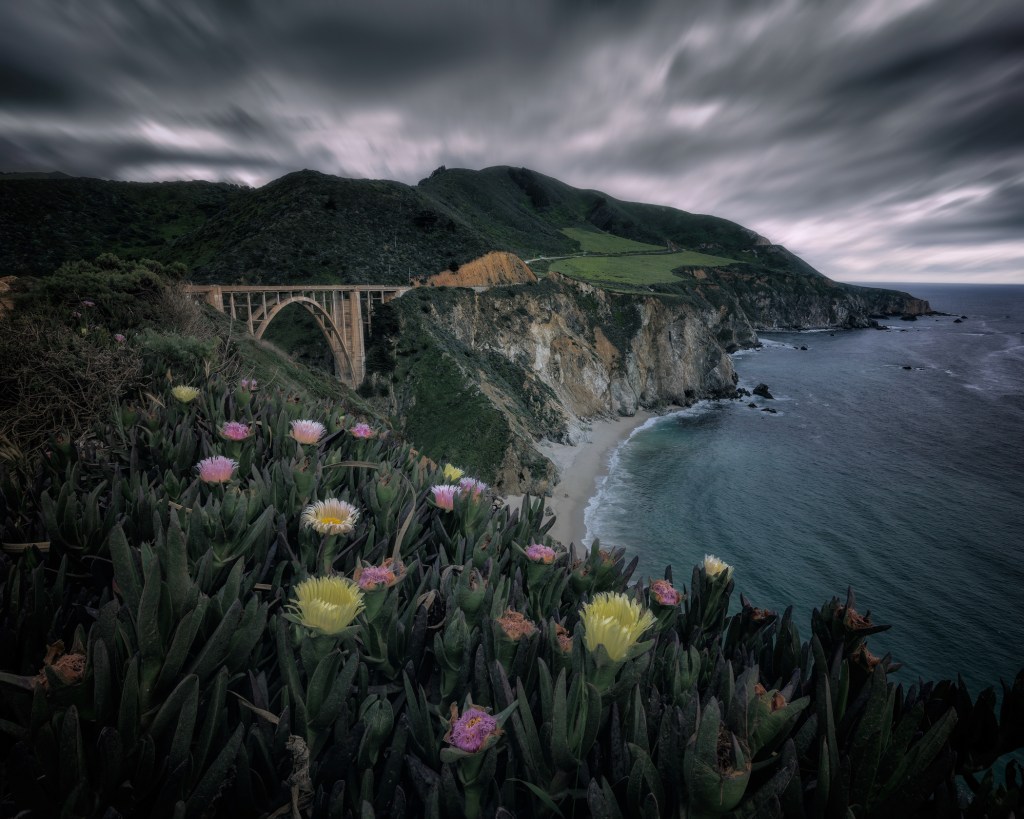
Cinematic Solitude is about immersion, not spectacle. One of my most meaningful images is called Morning Coffee—a lone figure seated against the red rocks of Sedona at sunrise, not conquering the environment but dissolving into it. Another is Velvet Thunder, captured in Big Sur, where delicate ice flowers withstood coastal spray and fierce sea cliffs in an act of defiance. Less postcard scenes, more emotional and interior passages. Each one carries a memory of stillness, surrender, and quiet resilience.
What are your hopes with this body of work?
I hope these photographs remind people that solitude isn’t emptiness—it’s a portal. That beauty can be both melancholic and affirming. Ultimately, I want the collection, Cinematic Solitude to stand alongside the best fine art landscape work in the world—not out of ego, but because I believe this emotional register matters. I’d love to see the work in galleries, in books, and in private collections. But more than that, I want it to endure. To resonate deeply.
What have you learned as both an artist and as a person?
As an artist, I’ve discovered that mastery is a lifelong pursuit of devotion. The hours you put in when no one is watching. The edits no one notices. The patience to wait for the exact illumination As a person, I now understand that freedom and discipline are not opposites—they’re companions. And that sometimes, the most courageous thing you can do is to stay with your own vision, even when the world doesn’t seem to listen.
Do you have any artists you most look to for inspiration?
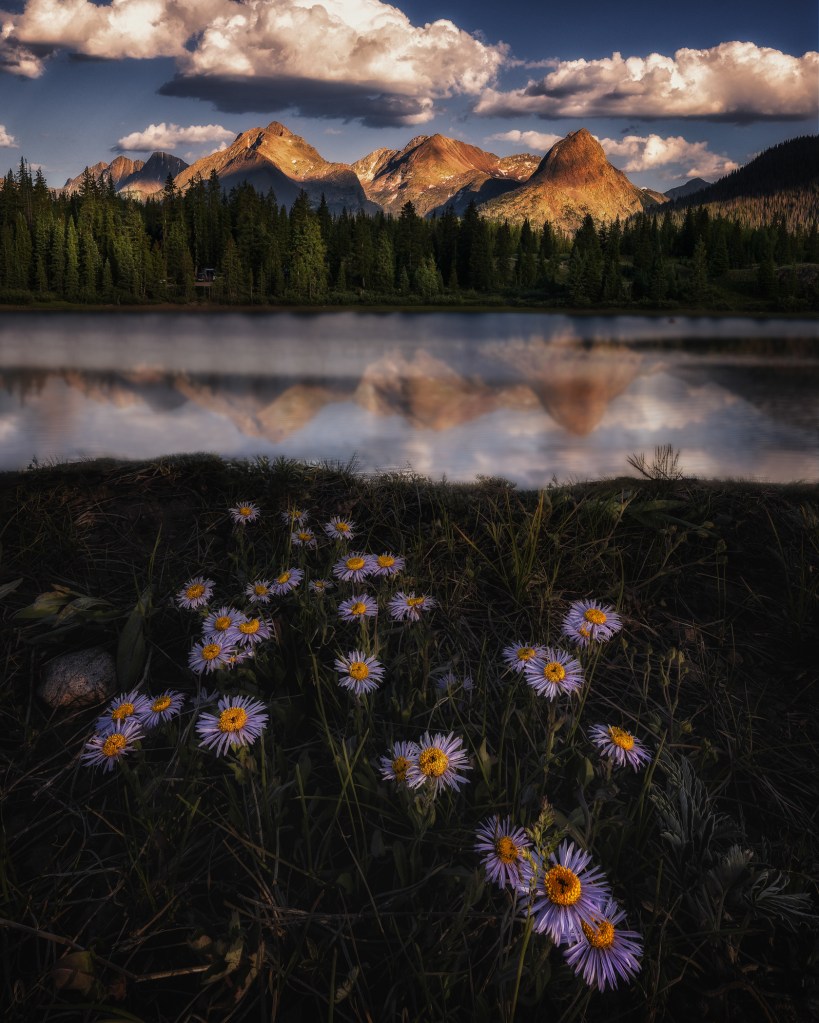
Max Rive and Marc Adamus have both deeply influenced my pursuit of scale and drama, but I’ve also drawn inspiration from painters—particularly the chiaroscuro of Caravaggio. Musically, I’m inspired by composers like Ludovico Einaudi and Max Richter, whose work evokes mood and space without words. Ultimately, I seek artists who bend reality just enough to reveal truths that are timeless.

 neunmagazine.com