
Interview by Emily Jordan, writing and edits by Maria Teresa Rivera-Schreiber
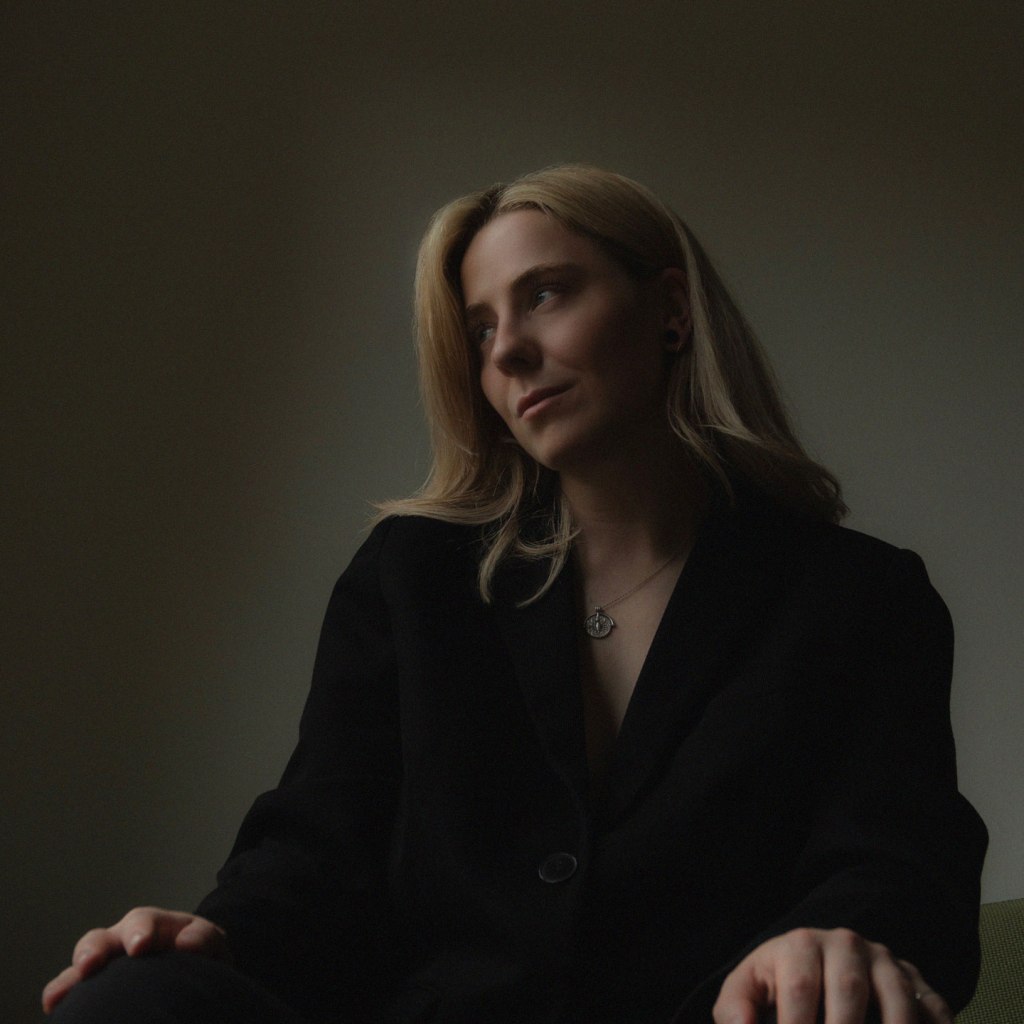
From road studios to major platforms, the singer-songwriter reflects on vulnerability, family, and finding her artistic voice.
The day we speak, Lois Levin is buzzing with the familiar pre-show energy that comes with release day. Her debut EP Motions has just dropped across all major streaming platforms – a milestone she’s been dreaming about since picking up a guitar at 14. “I’m getting the same feeling as if I was about to do a big show,” she admits, her voice carrying both excitement and disbelief. “I’ve been saying I’ll be bringing out an EP since I was 14, so to actually do it… It’s a massive achievement.”
The journey to this moment has been anything but straightforward. Levin has been shuttling between London and Liverpool, where her manager is based, traveling back and forth “just to do a few tracks” while working with minimal equipment in what she affectionately calls her “shabby road” setup down south. It’s been, in her words, “blood, sweat, and tears. Mainly a lot of tears and a lot of sweat.” But for Levin, this isn’t an ending – it’s a beginning. “It’s funny because a lot of work has been put into it, but it is the very beginning of what I think is me as an artist.”
The title Motions reflects Levin’s philosophy of keeping things “easy and digestible.” She deliberately avoided anything too edgy or complicated, instead choosing a word that functions as “a play on the word ‘emotions’ – because I mean, I’ve just got full loads of emotions.” This straightforward approach extends to her songwriting. “My songs aren’t actually very wordy. They’re not complicated to follow,” she explains. “I wanted to keep that for the music and the stories.” It’s a refreshing honesty that permeates both her music and her conversation. When asked about her creative process, Levin shrugs off any mystique: “Everyone asks how do you bring up that vulnerability? But I feel like sometimes I just hear the words. I feel these things come to me.”
What Levin didn’t anticipate was how the promotional side of being an artist would challenge her. The music video for “Sugar” became an unexpected revelation: “I didn’t realise how self-conscious I was until I did the ‘Sugar’ music video. I was thinking, oh my God, I’ve just unlocked a new insecurity.” As someone who identifies primarily as a songwriter, she’s discovered that “writing the songs is actually probably the easiest bit.” The promotional cycle – the interviews, the videos, the constant need to be “on” – has been a learning curve. “I’ve gotta remember to brush my hair essentially,” she laughs. But she’s found her rhythm in it. “The promotional cycle is the fun bit, it’s explaining how I felt about this, explaining the songs. There’s actually so many different ways to explain it.”
The EP’s standout track “Pass You By” reveals the deeply personal territory Levin mines for her art. Written three years ago in an en-suite bathroom that reminded her of her Nan’s box room, the song began as a source of comfort. “There was just something so reassuring about the tones of that song. It just made me feel at peace,” she recalls. The track, primarily about her mother but touching on themes of time and appreciation, represents Levin’s attempt to process grief in a positive way. “I didn’t want to just pinpoint the song for my Mum because really there’s loads of themes in there. It is about my Nan and the passage of time and appreciating time as something that I can’t change and I have to appreciate.” She describes it as her “own little anthem as a reminder to live in the moment and appreciate these things.”

“I’ve written loads of songs about my Mum and trying to digest her passing. I wanted to do it in a happy way. As much as it does sound sad, it’s a release for me,” she explains. The song serves as both personal catharsis and public anthem, with Levin encouraging audiences at live shows to “appreciate what’s here and right now” rather than constantly thinking about what’s next. It’s a philosophy she’s trying to embrace herself, even as she admits, “I am working on what’s next. Next week we’re back to doing the rest of the second EP so it’s straight in.”
Levin’s path hasn’t followed any traditional industry playbook. Her first gig at 15 was in a “really rundown pub in New Ferry,” singing to “alcoholics and people with no teeth.” From there, she worked her way through various pubs in Birkenhead before eventually connecting with her current manager through SoundCloud during COVID. “Some guy said, ‘oh, you should meet John,’ who is now my manager, who produced stuff for Rihanna and Coldplay and things. Since then, the team’s gotten a little bit bigger and I’ve been constantly supported by people who believe in the project. Something’s just clicked now and it’s just, let’s do it. Let’s smash it. Now is the time.”
The challenges of being an independent artist are ever-present: “Low fees for gigs or minimal time, and then you’re trying to be the most creative person possible… and then suddenly you get up at 8am, go do an eight-hour shift, and then at the end of that day, you’ve gotta go do the promotional side.” Her solution? Remembering that music isn’treally work for her. “I think I just love music so much that it never feels like a job, but you’ve gotta be mindful of the potential burnout potentially. It really is an escape to do all of this stuff as well.” She describes her live shows as “free therapy” – both for herself and her audience. “I get to see everyone now, but my emotions and you guys are paying me essentially.”
Levin’s performance history reads like a love letter to unconventional spaces. From the Royal Albert Hall’s Elgar Room (complete with Elton John’s piano) to a canal boat after a Jazz FM appearance, she’s drawn to venues that create unique experiences. Her favourite remains a sold-out show at Pizza Express in The Pheasantry: “People were having pizza while listening to me sing. It was super chill. I really felt that everyone was really engaged with what I was doing, and it’s such a beautiful venue with the piano.” This preference for intimate, interesting venues reflects her broader artistic philosophy: “From the moment you walk in, I want there to be a vibe and I want there to be an experience because that’s kind of how I want people to experience my music as well.”
There’s something special about performing in Liverpool, she notes. “No one dances the way that they do. In Liverpool, crowds will just dance.” Her musical roots run deep in the city’s culture. “I grew up on Motown. My Granddad used to listen to the Streets and then play The Drifters, Van Morrison, the Jackson Five, everything. I was brought up on the Beatles, and that’s quite stereotypical to say, but I think it’s embedded in us. I do think it’s probably the one thing that we have is that music, the synergy.”
Even as Motions makes its debut, Levin is already deep into work on EP number two. All the songs are written, and she’s planning to start releasing tracks as early as September. The goal? “Maybe some things out for Christmas. Not a Christmas song per se, but just a Christmasy track that makes sense at Christmas.” Her ultimate Christmas song dream? “M&S will pick it up and I can just go live in St. Lucia. But who knows the odds on that.”
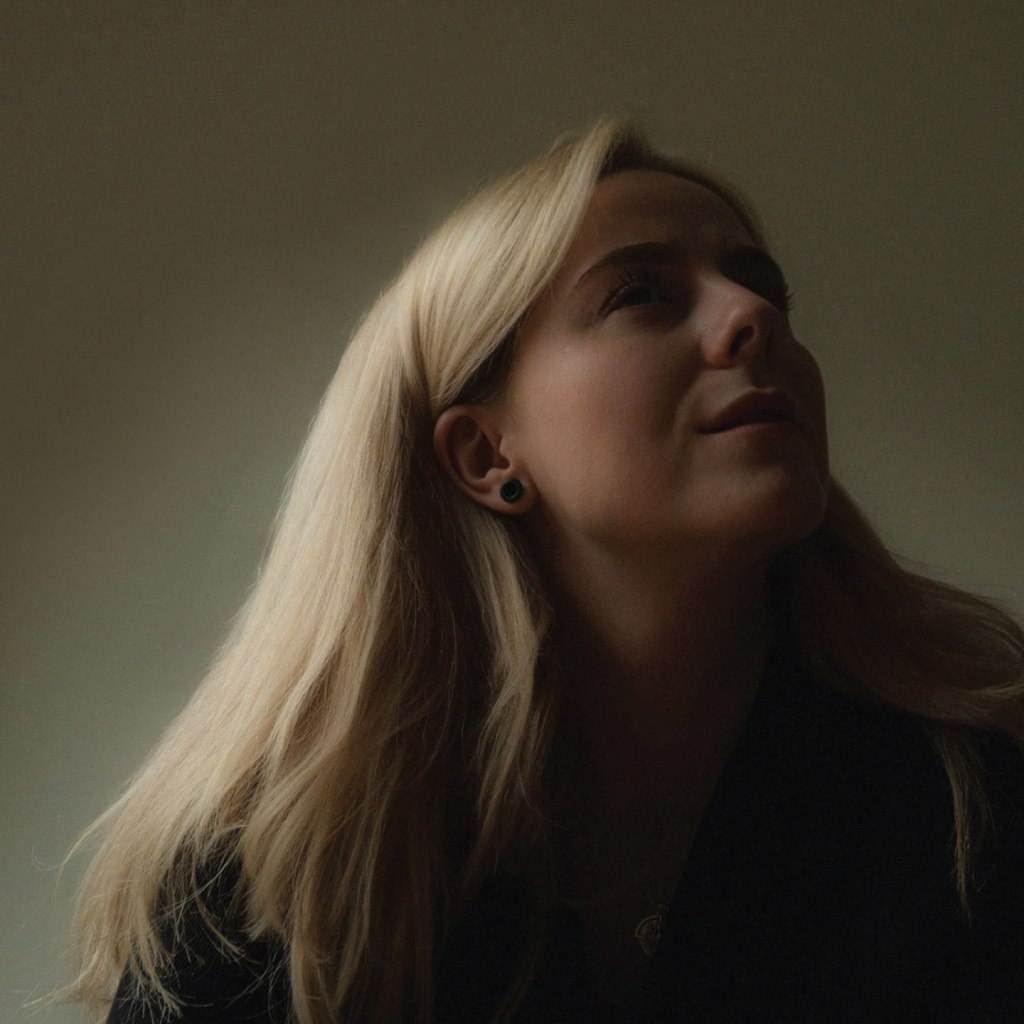
For now, though, Levin is focused on the present moment – something “Pass You By” taught her to value. “Time is false, so I can’t let it pass me by,” she reflects. It’s a philosophy that serves both her art and her life, keeping her grounded even as her career takes flight. In a music industry often obsessed with manufactured authenticity, Lois Levin offers something genuinely rare: honest emotion, unpretentious artistry, and the kind of vulnerability that can only come from someone who’s paid their dues in Liverpool pubs and learned that the best songs sometimes come from the most unlikely places – even an en-suite bathroom “sounds about right.”.
 neunmagazine.com