

An Irish actor-musician on why confusion beats performance, and class still matters in creativity
Everything fits in a bag. Not a designer holdall or vintage leather suitcase – just a bag of clothes, some merchandise, and guitars. At 29, with a debut album climbing the charts and a lead film role starting in March, Niall McNamee was staying on a “mate’s sofa” because he had to move out of his flat before the tour.
“I don’t live anywhere at the moment,” he says, laughing in that way that makes confusion sound like clarity. His beard is bushy and unkempt, hiding boyish looks that would be unrecognisable except for his eyes – kind, smiling, open and searching. “I’m just luckily staying at a mate’s, but I’m gonna try and live in the freedom of the fact that I don’t have to pay rent anywhere.”
This is success, creative industry style. Not arrival, but relief.
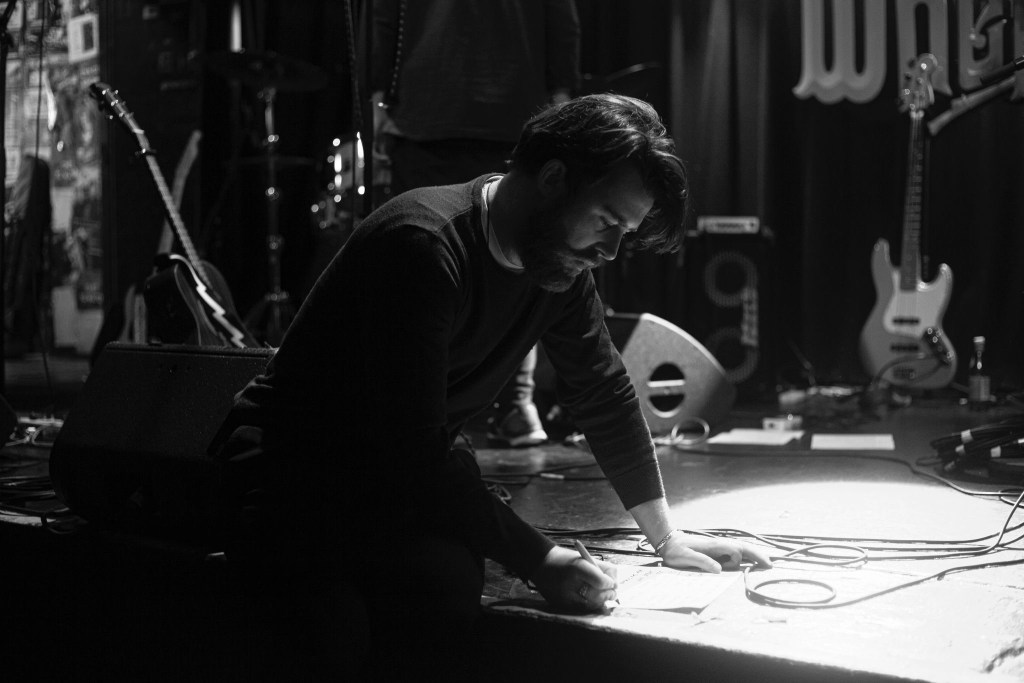
“It was so emotional because it took me three years to start,” he says about Glass and Mirrors, his debut album that dropped in October. “It took three years when it could have taken two months if I had the money. We had to stop because I was broke.”
His voice carries that particular Irish cadence – not performing Irishness, just being it. The words tumble over each other as he works through thoughts in real time, following them wherever they lead, doubling back, finding his way forward.
“I don’t feel that I’m from a council estate,” he says, working through the economics of his childhood with characteristic honesty. “My parents are working class, and my Dad used to be a brickie and stuff, but they’d moved on quite a bit. Like my Dad who graduated from university, I think, when I was about seven or eight. So I remember being at his graduation.”
The memory seems to anchor something for him – that moment when possibility shifted, when his Mum supported the family whilst his Dad studied. “We weren’t poor, but I think anyone who’s not from a genuinely wealthy family, there’s always, you know, ‘Oh God, no, we’re all right. There’s people far worse off than us.’ And I do mean that, but… How do I explain this? I can’t be saying to you that I was a working-class hero. I’m just not wealthy.”
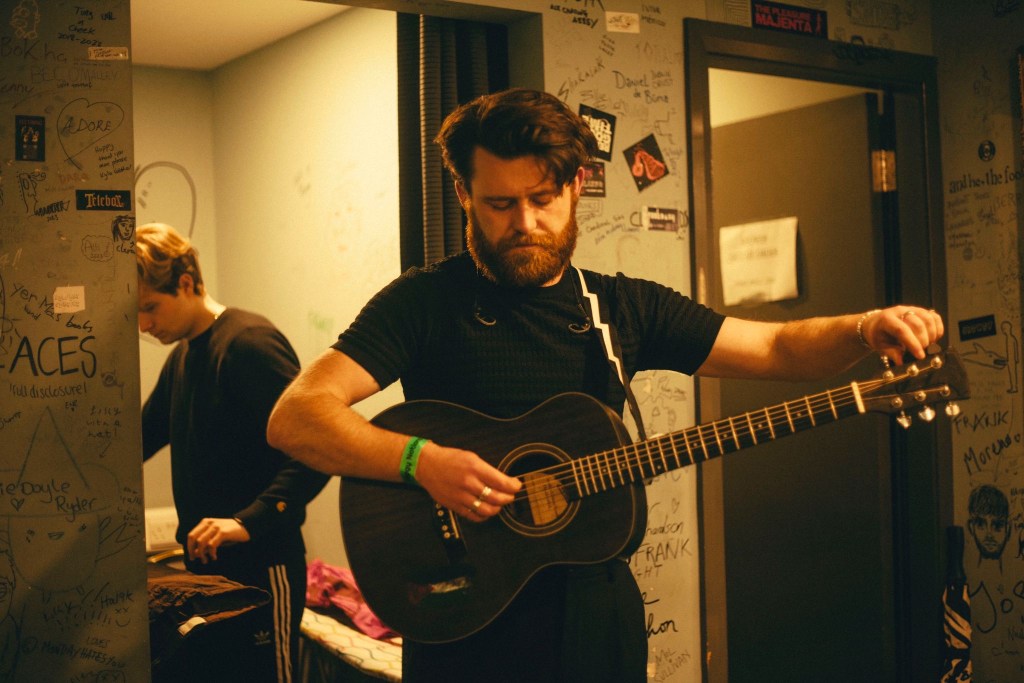
It’s this foundation – solid but uncertain, supported but still ‘touch and go’ – that shaped everything that came after, including the shock of London, where McNamee discovered that being skint means different things to different people.
“I suppose I hadn’t lived it yet,” he says. “And so when I was in London, you’d start to clock that everyone was talking about being skint, but then I was going, ‘Then why are so many people I know going on fucking holiday or skiing?’ And also like, they just don’t seem to have a job outside. Like when they’re out of work, they just… You know?”
“It used to hurt,” he admits. There was this unspoken thing that made him feel like maybe he was doing something wrong. “Everyone else seemed to live an easier existence in the young days in London. And I was working nonstop – two jobs, three jobs. I had a van and was on building sites, doing all this sort of stuff. That feeling of working constantly and having no money. And I just couldn’t work it out.”
The realisation, when it came, was practical rather than bitter. “I don’t know what the statistics are on why the arts are full of people who come from families with money. But I do know just from a practical level that if you have an audition coming up, which are hard enough anyway to get, and you’ve got to fit that in between a lot of work and gigs, then that’s even harder. Like, right, how am I going to learn lines when I’m driving a van around London?”
What came next was pure chance, the kind that only happens when you’re already in motion. “I got my first acting job because I came off a building site and went on a date with a girl who told me about this audition coming up, and it sounded awful, and she was like, ‘Well, you don’t have another option. So even if it’s just to practice, like get into the zone of a professional audition.’”
That audition was for Romeo in Romeo and Juliet on the West End. He got it.
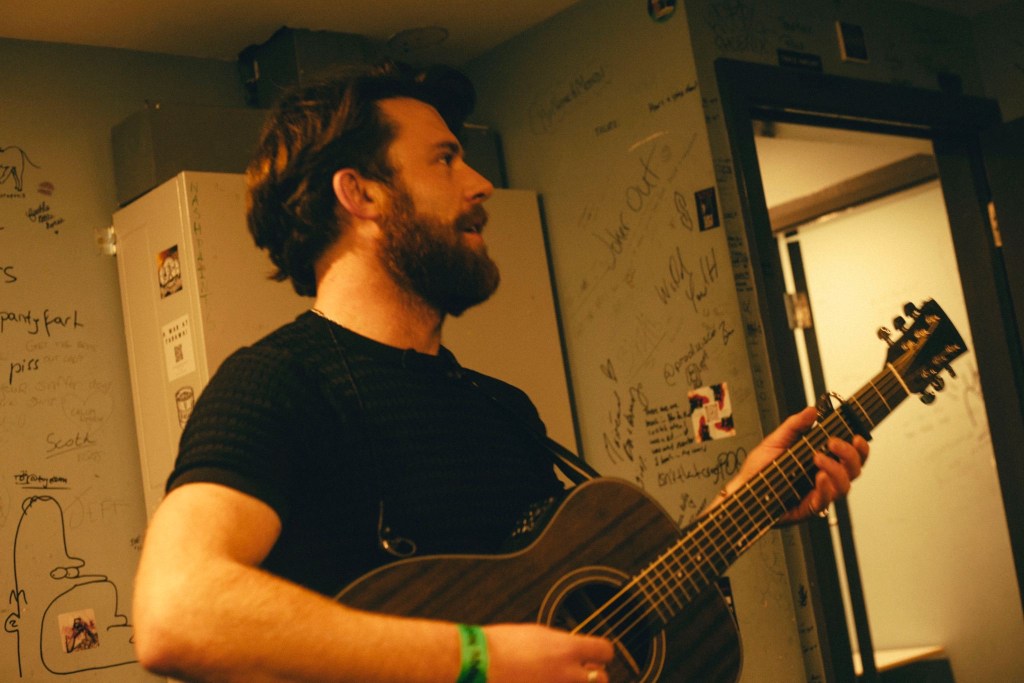
“It’s amazing,” he says, still slightly surprised by the trajectory. “I just, you know, this is what I’m saying – I find that life has a way of making things work out. Maybe that’s just me being positive. But I do believe that things do have a way of finding their way.”
There’s something infectious about his approach to uncertainty – that laugh that punctuates difficult stories, the way he leans into confusion rather than away from it. Even when discussing financial struggles or industry frustrations, there’s an unbridled energy about him, an openness to whatever life throws his way.
But success in one world doesn’t automatically translate to credibility in another. “And then back to the building sites,” he says, “‘Oh, you’re an actor, what have you been in?’ And you say, ‘I’ve just filmed with Jackie Chan’, ‘Yeah, sure you have’. That was the worst thing about it. Until it came out, no one believed me, which I understand.”
The thing about McNamee is that he understands the bafflement – both his own and everyone else’s. “I find the world quite confusing,” he admits. “I don’t know what other people’s instincts are.” This isn’t false modesty; it’s genuine bewilderment at how things work, who gets believed, and why some people can afford to wait for opportunities whilst others are doing manual labour.
“If your mum and dad have been able to buy you a place in London, then you’ve got all the free time in the world to just wait for the audition, and, when it does eventually come up, you still have all the free time in the world. I’ve had people complain, and they’re like, ‘There’s parties this weekend,’ and I’m like, ‘I’m lifting lead up stairs, up four flights of stairs for the next month.’”
It’s not bitterness in his voice, just observation. “I don’t hold it against anyone. I’m just interested in it.”
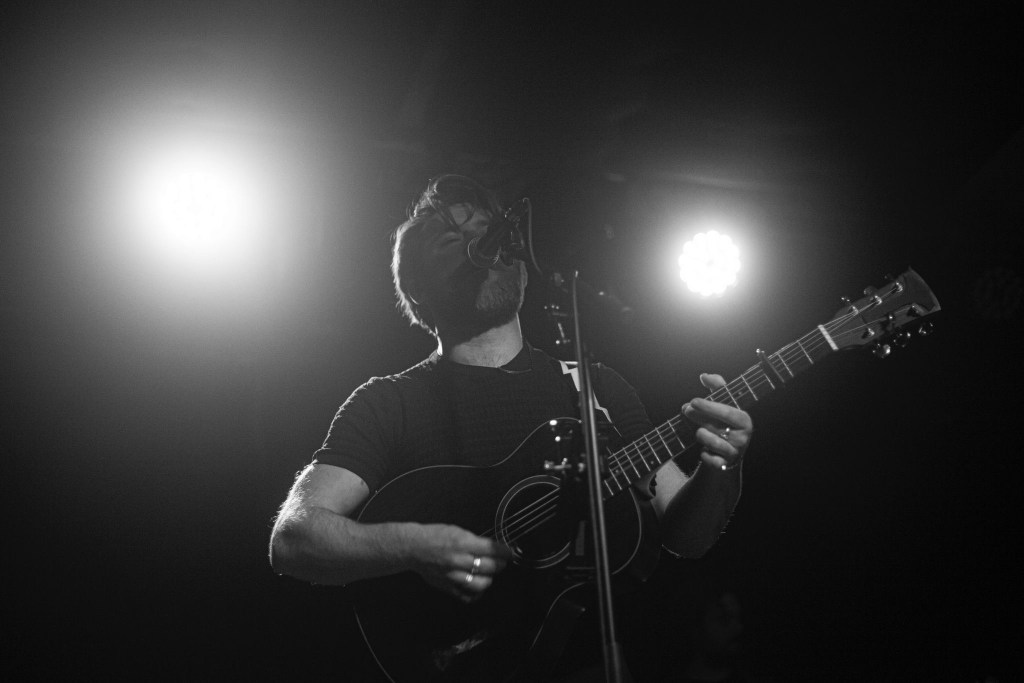
This curiosity extends to his own resistance to certain labels. Until last year, McNamee refused to let his manager describe him as an “artist.” “I thought I was like, no, an artist is somebody who paints. It’s not someone who turns up with a guitar and sings songs about a girl who broke their hearts. And now I realise, well, of course, I am, and I totally made peace with it, but there’s definitely something there that I’m like, what is that?”
He pauses, working through the thought. “There’s something about not getting too above your station.”
It’s a revealing admission – this internal policing that comes from somewhere deeper than modesty, the fear of claiming too much space, of being seen as pretentious. “I was terrified of the idea of taking myself and it too seriously,” he says.
Yet here’s someone who’s earned the right to call himself whatever he wants. West End leading man, film actor who’s fought Jackie Chan, musician with 80,000 streams in a day compared to his previous biggest song’s 30,000 over two years. But the conditioning runs deep – that working-class wariness of appearing to get ideas above yourself.
“I think there was a feeling where, definitely for me, I had little sympathy for myself for being skint, because I knew that the industry was hard. And I was getting into it.”
But something shifted for him recently. “I’ve kind of changed that now because I realised that the world needs singers and actors, who are important songwriters and storytellers.”
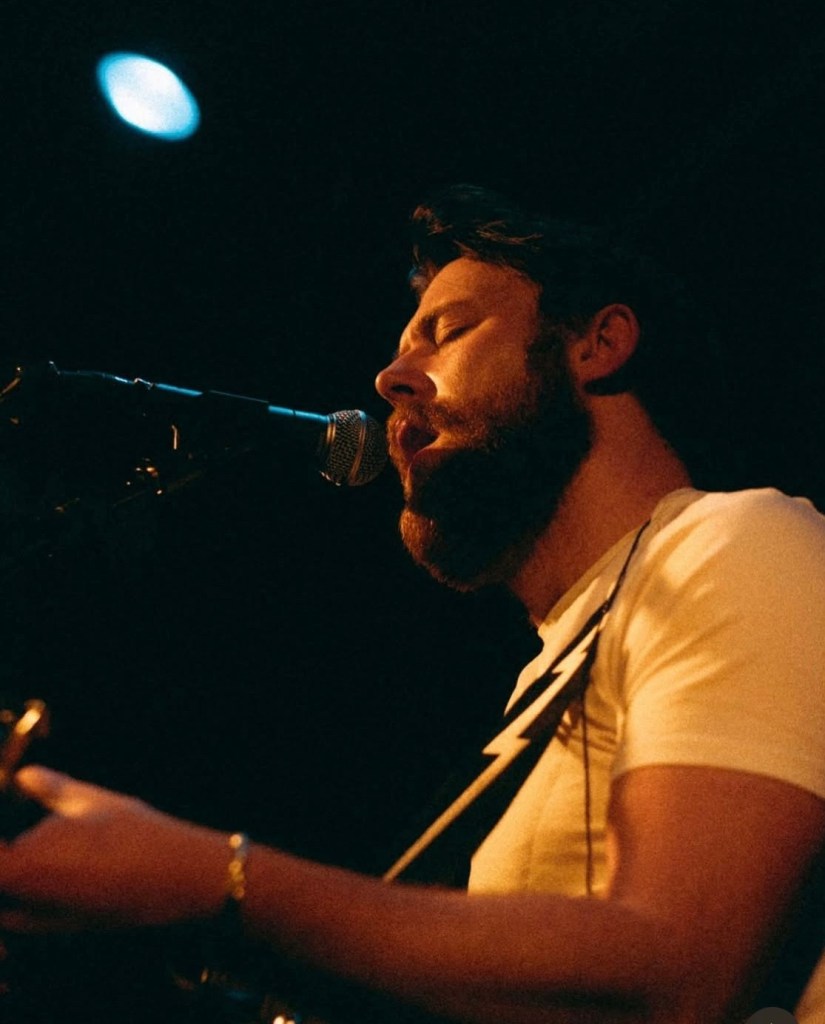
The terror is genuine, rooted in something deeper than professional anxiety. It’s about identity, about who gets to claim space and importance.
This tension plays out in practical ways, too. McNamee talks about the difference between acting and music with clear-eyed honesty.
“Acting is a far cosier job and industry than music. The joyful aspect about acting is that if that’s what you love doing, and I do, and you get the job, then that’s the only element you will be doing. They’re telling you all the ways we’re going to do for you. We’re going to pick you up in a car. We’re going to put you up where you’re staying. We’re going to make sure you’re there. We’re going to feed you when you’re there. And then crucially, and this is the big one compared to music, we’ll fucking pay you as well!”
With music, he explains, “you’re going to be paying for this, this, this. You need to get everyone there. The album – and whether this is like literally you’re paying for vinyls or the record companies and it’s coming out of your cut anyway. You’ve got to promote it yourself.”
The reckoning was significant. “I had to ask myself a big question last year, where I was like, ‘So the vision of what you wanted to get into doesn’t exist anymore. The planet that you wanted to go to isn’t there. Another planet that is similar exists, and you can do things with it. But is this your dream? Do you want to do this?’ And I found that I did in the end, but it was a big question.”
It’s this honesty – about incertitude, about compromise, about the gap between dreams and reality – that makes McNamee compelling. He’s not performing certainty; he’s working through uncertainty in real time.
And he’s noticed changes that worry him. “I feel that London is going socially and culturally in a direction where people are afraid they’ll catch a bad vibe. So if someone asks you how you’re getting on and the answer isn’t ‘absolutely fantastic, I love what I do and everything’s flying,’ they’re like, ‘Oh, ah.’”
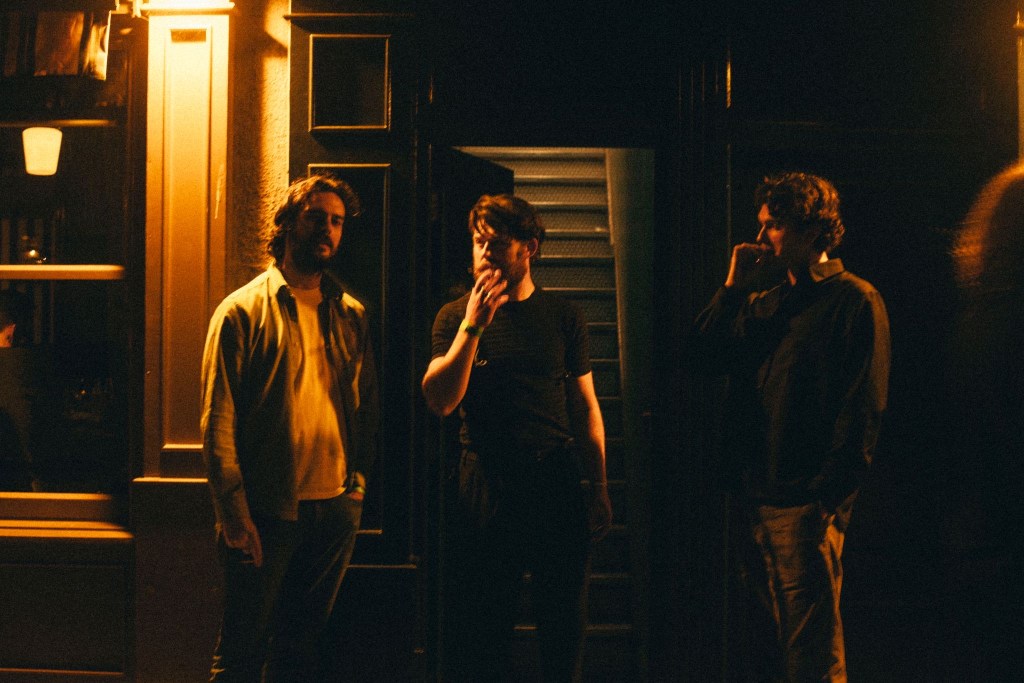
The performative positivity bothers him, especially the gap between public conversations about mental health and private reality. “There’s this weird thing where there’s been a big conversation going on for years about talking about struggles and your mental health and all that. And yet the reality I find is the total opposite.” For someone whose job is literally pretending, struggling with social pretence feels particularly ironic. “I’m not very good at that pretend thing. I feel much safer in conversation with someone who can talk about how they’ve had a bit of a rough day.”
For McNamee, being seen authentically has finally happened through Glass and Mirrors. “It’s been particularly special and the reaction’s been class,” he says about the album. “I got a message from my manager midway through the day, and she said we’d already had 80,000 streams, and we’re not even at the end of the day yet. To put that in perspective, my biggest song before this had 30,000 streams, but that was built up over two years. So 80,000 in a day!” he laughs. “I mean, I’ve never been more excited to earn a tenner in my life.”
But beyond the numbers, something deeper matters. “I feel that it’s a representation of me and my life, and it’s honest, and it’s there now forever. And sometimes when you say something is going to be there forever, that’s terrifying, but I feel relief. I suppose I feel relief that it’s there.”
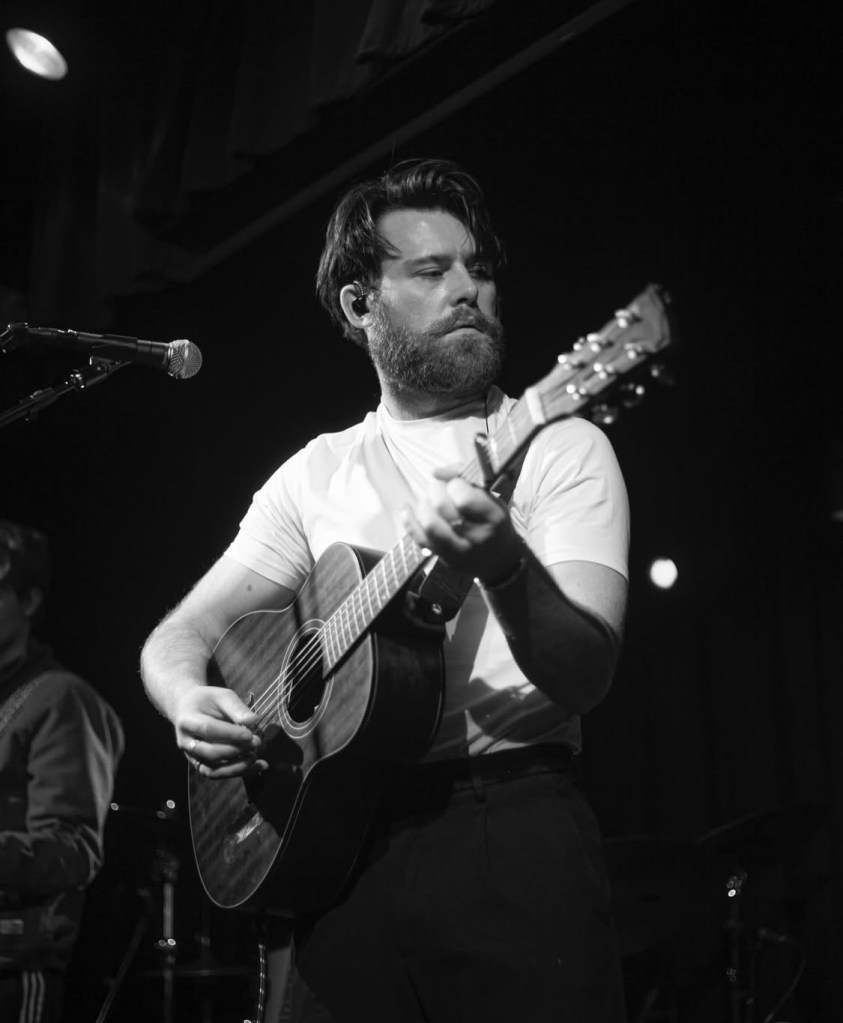
Looking ahead, he’s planning something he’s never done before – taking time off. “I’ve never had more than a week off since I was 17. So I will be taking some time off at the end of the tour, and I’ll reflect on everything.” He’s filming a lead role in March, and there is a simple pleasure in spending time with the family. “I was like, I need to make sure I can be around for them because it’s precious, and you start to realise that the more you get older.”
For now, though, he’s content with the freedom of uncertainty. “I don’t live anywhere at the moment, but I’m gonna try and live in the freedom of the fact that I don’t have to pay rent anywhere. I need to find somewhere to be.”
It’s a fitting metaphor for someone who’s built a career on not quite fitting anywhere – not posh enough for some rooms, too successful for others, Irish but not performing Irishness, an artist who, until recently, refused the title. McNamee has found his voice precisely because he’s never been entirely sure where he belongs. In a creative landscape increasingly dominated by performed authenticity and curated vulnerability, here’s someone genuinely working through confusion in real time, making uncertainty feel like the most honest response to a complex world.
In those kind, observant eyes and that boyish face hidden behind an unruly beard, something rare emerges: an artist who’s made peace with not having all the answers, who’s built something beautiful from the very confusion that terrifies others.

The bag of clothes, the mate’s sofa, the relief rather than triumph – this is what authenticity actually looks like when it’s not being performed. It’s messy and perplexing, but so gloriously, unapologetically human.
 neunmagazine.com