
Written by Mirthe Vermeulen
In a world inebriated by the disposable image, Emile Kees insists on slowness. To encounter his photographs is to feel the weight of labour, history, and the walls that hold memory. His is a practice of domestic archaeology, where looking is not a moment, but a lifelong devotion.
Through a recent dialogue with Kees, a picture emerges of an artist whose identity is inseparable from the environments he inhabits. Moving from a childhood spent in a mobile home while his family of artists physically built their residence in the South of England, to his current life in Edinburgh where he operates out of a bespoke darkroom constructed from reclaimed materials. This upbringing instilled in him a deep reverence for the “invisible labor” of creation – the backaches, test strips, and abandoned concepts that precede a final print – and a fascination with the malleability of memory, which he explores through the slow, deliberate chemistry of analogue photography. Whether documenting his family land as a “coping mechanism” during his time as a carer or collaborating with the Small Table Collective and Peer Matters, Kees treats the image as a site of domestic archaeology.
To understand Kees’s aesthetic, one must first look at the “handmade” environment of his youth. Growing up in a household where art was not just a career but a physical environment, Kees was raised by a family of practising artists – including a sculptor, a painter, a potter, and a fashion designer. During the 1990s, the family lived together in a mobile home while they physically built the house they would eventually move into.
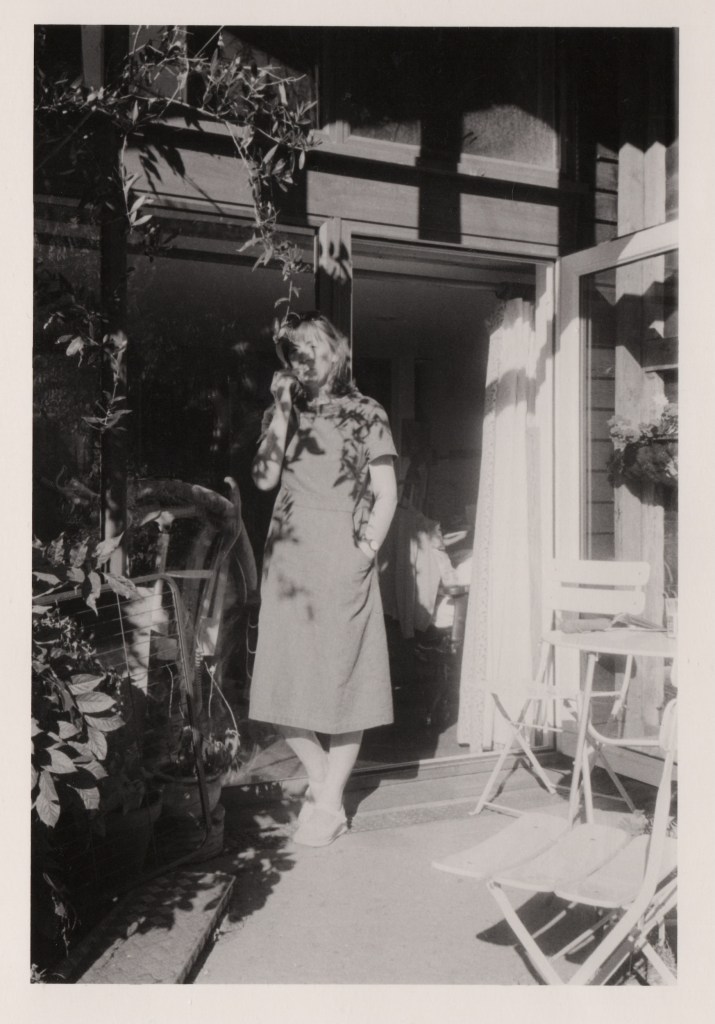
This period was fundamental. It erased the boundary between the “domestic” and the “artistic”. For Kees, a home is not just a place to reside; it is a site of labour and a vessel for memory. This upbringing instilled a realisation of how difficult the life of an artist truly is – so much so that his parents encouraged him and his siblings to study law or medicine. Yet, the pull of the image was too strong. “I think I knew that it was unusual,” Kees reflects on his childhood. “There were sculptures and paintings everywhere, all the time.”
There is an emotional gravity to Kees’s work that stems from a period of profound personal responsibility. While acting as the primary carer for his father, photography became a vital outlet. Confined largely to the land his family home lived on, Kees began to archive his father’s disorganised life’s work while simultaneously documenting the objects found on the property.
“I was photographing everything all the time as some sort of coping mechanism,” he explains. This period gave rise to a deep interest in documenting domestic life, not as a postcard of perfection, but as a record of existence. It was during this time that he captured Edward, a black-and-white photograph of a one-eyed horse.
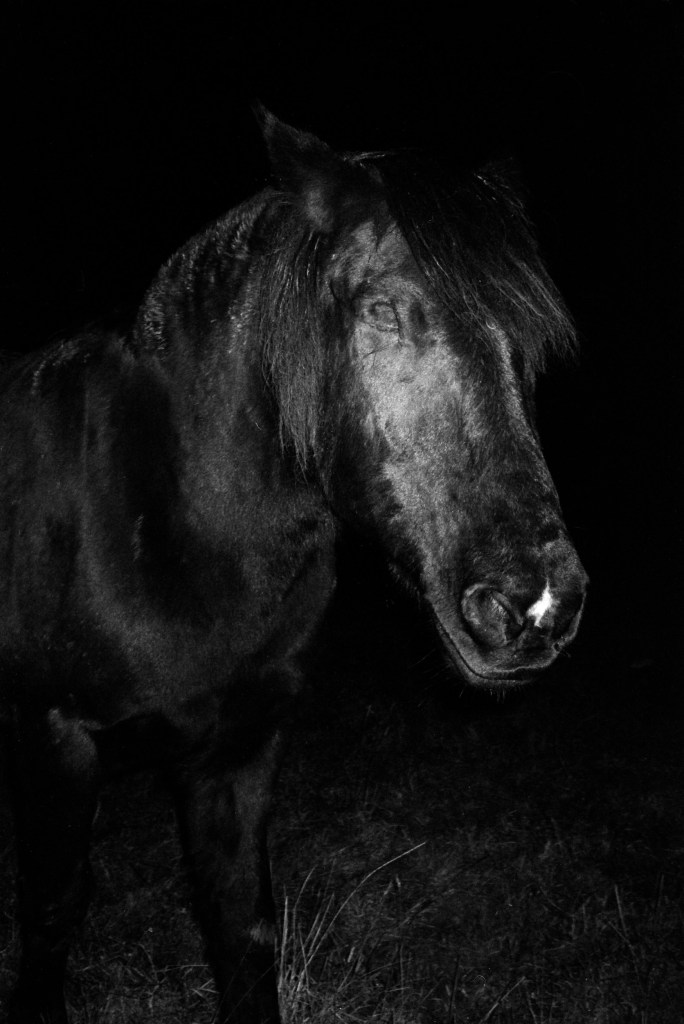
The story of Edward encapsulates the friction between the artist’s intent and the viewer’s perception. While a portfolio reviewer once dismissed the shot by saying he was “very lucky to stumble upon this horse,” for Kees, the image was a product of trust and persistence. “Edward knew me and he was so comfortable with me taking pictures of him late at night,” he notes. The resulting gelatine silver print was a triumph of “trying,” even when others suggested the technical limitations of his equipment would distort the image.
In 2019, Kees built his own darkroom from reclaimed materials. This period of “making do” was a vital education in the becoming of the amateur, involving “years of experimenting and trial and error.” He spent hours in solitude, finding that “one time, a mechanism didn’t work so I could only print one size of photos for a year.”
Rather than seeing this as a limitation, he embraced the imperfection. Even after learning the “perfect way” of making photos at the International Center of Photography in New York, he returned to the beauty of the flawed. For Kees, the darkroom is a sanctuary where “all sense of time just leaves.” He contrasts this with the “stressful” experience of rented darkrooms, where “time is in your mind all the time.” In his own studio, he finds the process therapeutic.
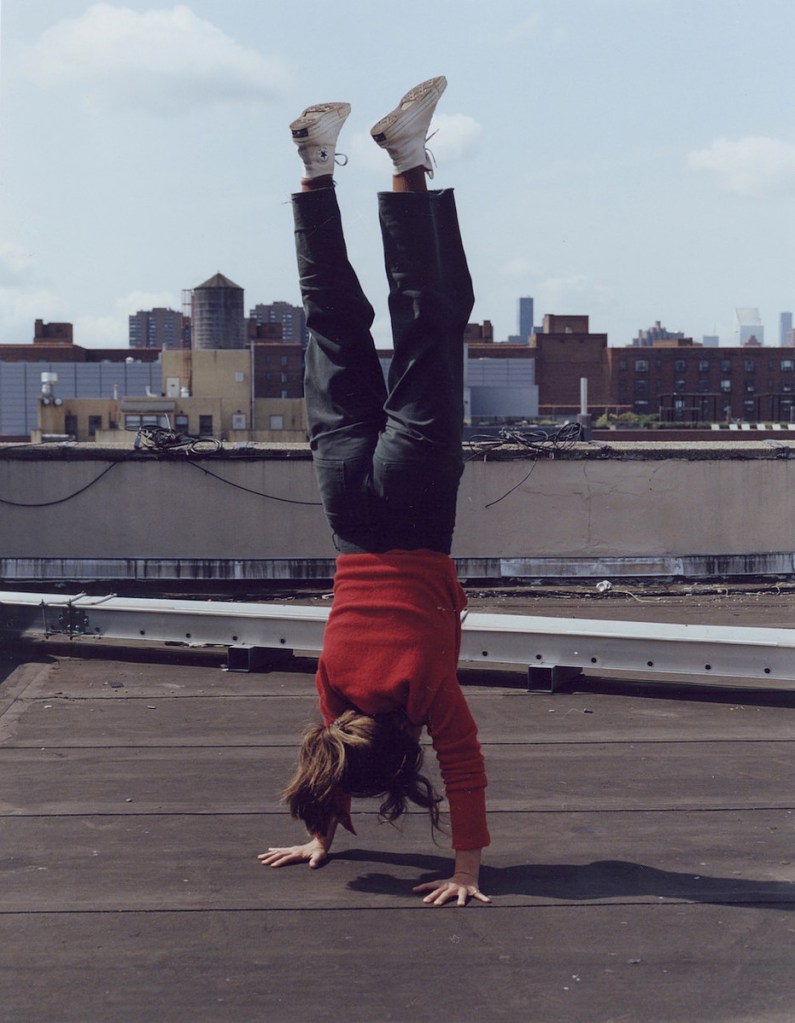
The slowness of analogue is a deliberate choice. “Analogue is significantly slower and each step needs to be treated equally – from loading the film, to composition, to printing,” he says. To him, this process is “more thoughtful, deliberate and creative.”
A recurring theme in Kees’s practice is the “malleability of memory” and how we “build scenes in our heads around childhood photographs, often fabricating details.” He views his camera as a tool for “reconstruction.” His work is not about recovering a “fixed past,” but about “tracing how memory shifts, documenting the present with callbacks.”
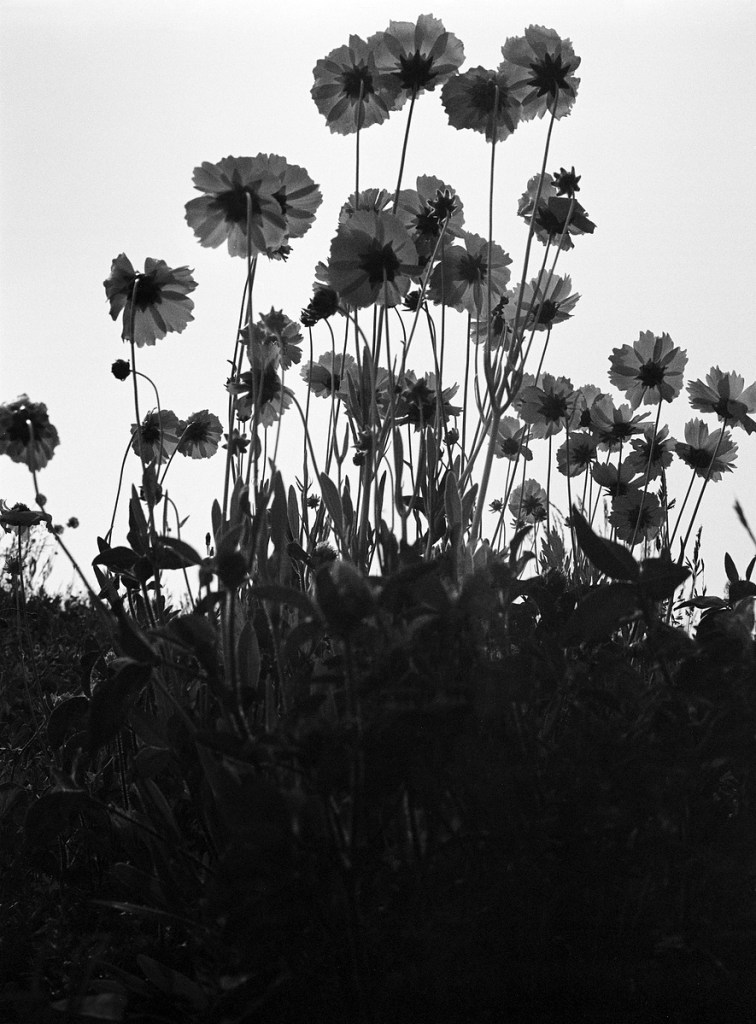
This philosophy extends to how he photographs everyday objects like plants. He often stages things “to give a real experience in the most truthful way.” Interestingly, he has begun to incorporate text into his photography, stating that “those particular kinds of images need pairing with texts that sort of meet their idea.”
Kees is candid about the reality of being a photographer in 2026. He pushes back against the notion that a final image suggests “ease”. “Behind every final image there are tens or hundreds of practice attempts, concepts, abandoned ideas, tons of test strips and scribbled notes and back aches from spending hours in the darkroom.” It is a job of “showing up,” even when one is socially anxious or exhausted.
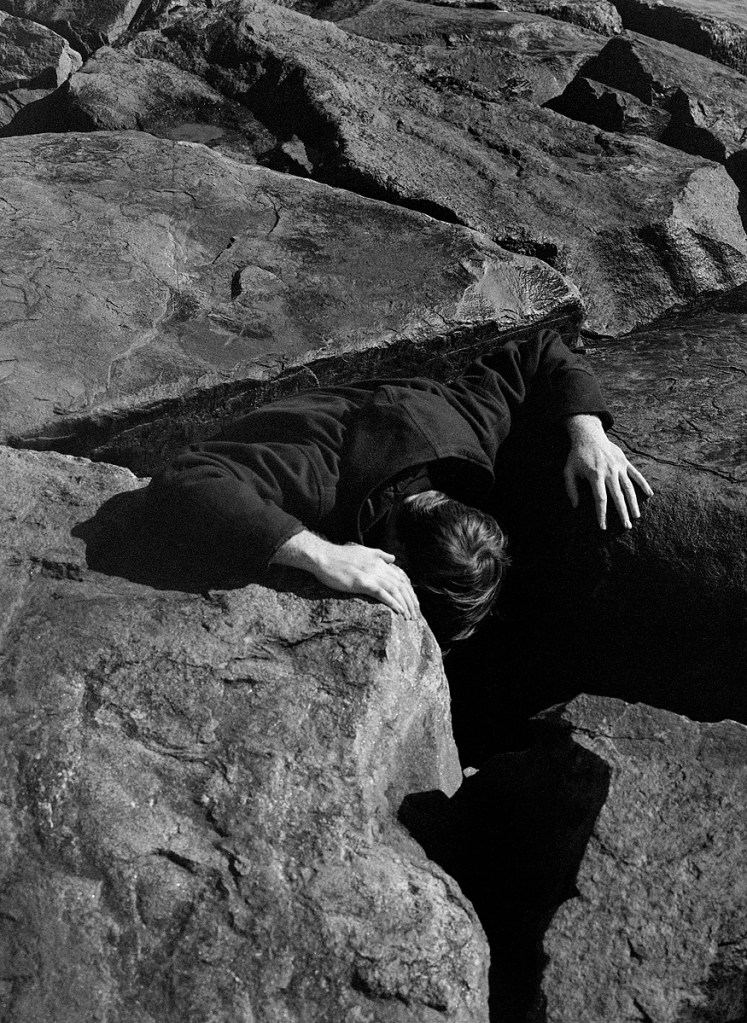
Despite the “solitary” nature of the medium, Kees is actively building a community to combat this exhaustion. Whether through his involvement with the Small Table Collective – a group of International Center of Photography (ICP) alumni who find inspiration in “kitchen table” intimacy – or Peer Matters, a peer-support network that fosters professional growth, he seeks to create circles of support. These groups act as a vital counterweight to the isolation of the darkroom.
For Kees, teaching is a mirror. “Every time a student is sharing their work, I’m always reminded of how amazing other people’s work is,” he reflects. “This emotional connection with my students’ work shapes how I teach but also how I can implement my own emotions into my work.”
As we look toward the remainder of 2026, Emile Kees continues to champion the “slow process” in a world that demands more, faster. His upcoming projects speak to that same deliberate rhythm: in April and May, he will be showing work at Montcalm Royal House London, followed by a new class he will teach with StrudelmediaLive in June, while continuing to develop projects with the Small Table Collective.
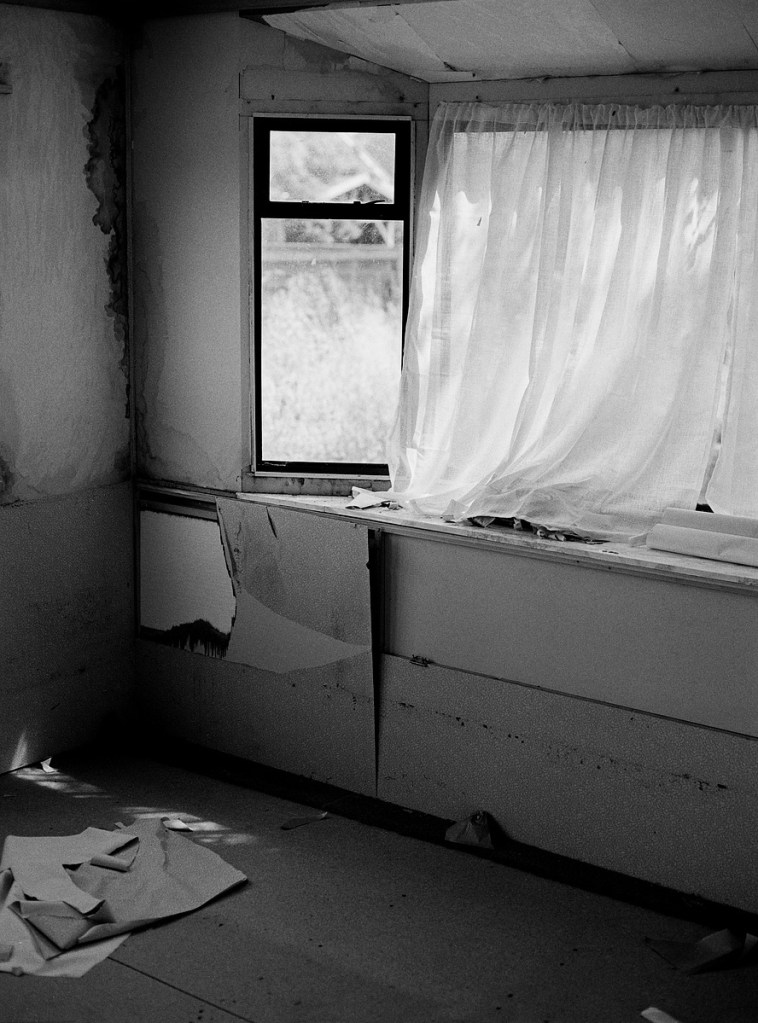
Kees’s journey is a reminder that art is not found in the “perfect” click, but in the grit of the darkroom, the patience of the caregiver, and the willingness to let an image reveal itself in its own time. In his hands, the ordinary – the dust, the shadows, the quiet corners – is given the weight of a monument.

 neunmagazine.com