
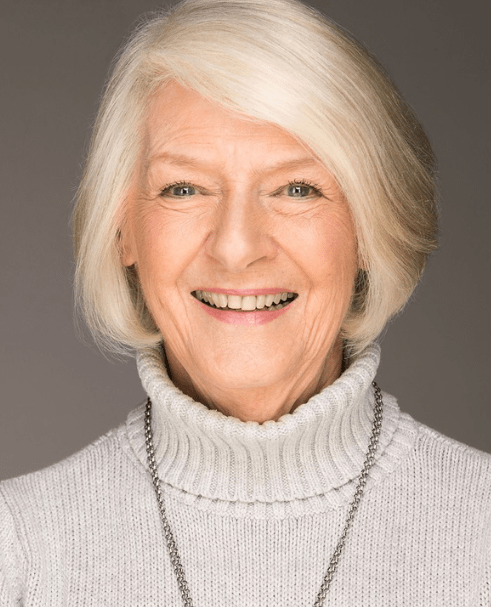
She writes plays about human darkness and finds redemption at the heart. Born into theatrical royalty, she chose love over fame, partnership over spotlight. She’s still searching. Still transforming silence into voice. This is what it means when the journey never ends: persistence becomes art.
I went to a reading at a friend’s house not knowing what to expect. Carolyn Pertwee, 83, was adapting one of her short stories into a play for a competition. She couldn’t reveal the title – anonymity was required – but what she read left me staggered.
Not because of craft, though the writing was exquisite. Not because of wit, though humour was threaded through shadows with precision. What moved me was the tragic stance. The sadness. The loss. And at the core of it all – redemption and forgiveness.
A woman who had lived what most would call a prestigious life – trained at RADA, performed opposite Vivien Leigh, married into the theatre world – was writing about life’s devastating mishaps. Yet she never abandoned her characters to their darkness. She gave them a way through.
Sometimes I feel lost and aimless – almost never able to reach a shore. I wonder what all my features, all my endeavours are a cry for. Is it to understand myself? Humanity? Or just an eternal quest to find some spiritual nirvana in the midst of such global chaos and discrepancies?
Listening to Carolyn read, I understood something. The gap between what she’d lived and what she chose to excavate wasn’t a gap at all. This was the point.
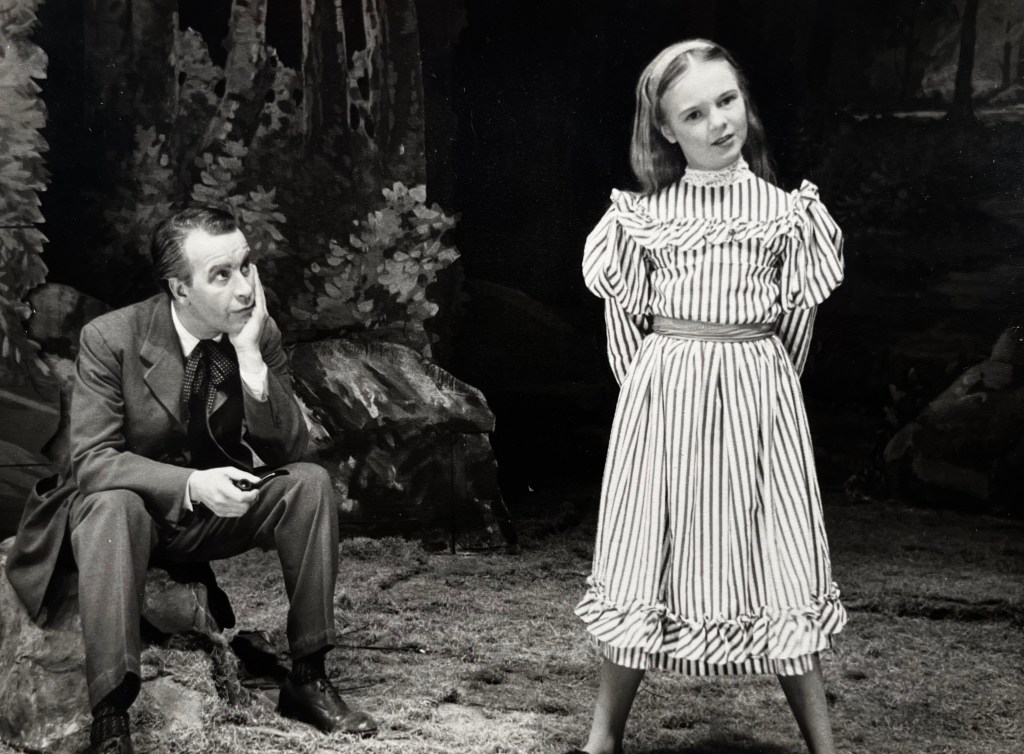
None of us are exempt from the human condition. We’re all searching for voice, for place, for purpose – despite life’s unpredictable turns, despite choices made, we inevitably return to this quest. Reasoning with contradictions. Finding meaning in what fractures us.
She’s still searching. Still writing. Still asking questions most people stop asking by forty.
Walking into Carolyn’s home in Barnes stopped time. The hallway: photographs wall to wall – Vivien Leigh and Lawrence Olivier, signed to Bernard Reuben Gordon (known as Coeks), Carolyn’s husband of sixty years, who was Olivier’s production manager. Play posters from productions that defined an era. I stared at a photograph of Vivien Leigh as Viola in Twelfth Night – the fabric heavy, embroidered; textures you don’t see now. Made to measure. Made to last.
This was an alternate universe. Classical theatre when it meant something different. When training took years. When craft demanded everything.
Carolyn sits surrounded by this history, elegant and poised. Her eyes sparkle when she recalls moments from her past, speaking with quiet reverence for contemporaries long gone.
She was born into a theatrical dynasty – the Pertwees. Her father Michael shaped mid-century British drama. Her uncle Jon became beloved for Doctor Who and Worzel Gummidge. Her great uncle Guy taught at the Guildhall. He’d taught Vivien Leigh years before teaching Carolyn’s mother, whom he introduced to his nephew Michael.
But here’s what that legacy doesn’t give you: a voice. That, she had to find.
I ask about the photographs. She disappears for a moment, then returns with a production still from Duel of Angels. Melbourne, 1961. “I wasn’t meant to play that part,” she says.
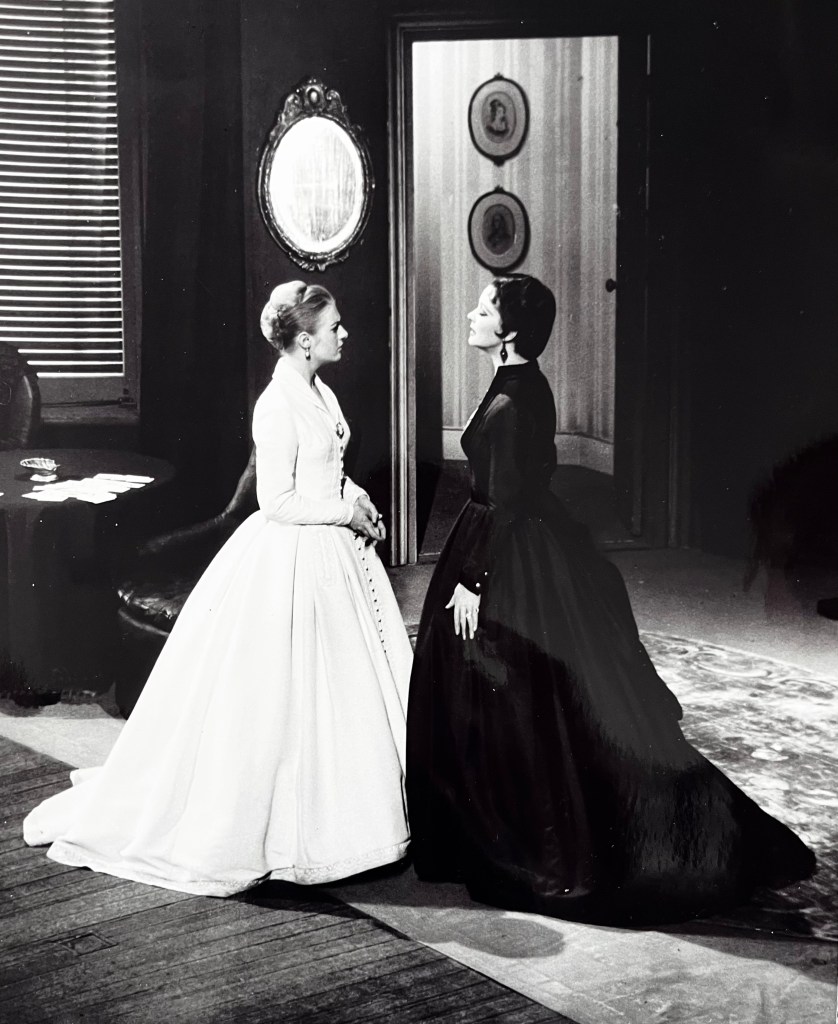
The story unfolds. Carolyn was nineteen, fresh from RADA with an honours diploma, when the Old Vic in London offered her a place on their World Tour following a successful audition. Her mother warned her not to take it – she and Vivien Leigh had been in a play together once, and neither spoke to each other for the entire run. When Carolyn announced the news, her mother was firm: “No, no, darling, you don’t want to go. You’ll learn much more up in Sheffield.”
Carolyn turned it down.
When her father heard, he exploded. “You’re 19 years old and you’re turning down going round the world? Ring your agent. Now!”
Fortunately, they hadn’t recast. That’s how it all started.
She’d been cast as the flower girl – a small part in Duel of Angels. Then Sally Home, who was playing opposite Vivien Leigh, got mumps at the very start of the tour. Carolyn was the understudy. No rehearsals. Just the lines she’d learned and the terror of stepping into the lead role of Lucille opposite one of the greatest actresses of the century.
There she was in Melbourne, playing the other angel. Her first appearance required opening a prop parasol. The thing wouldn’t open. Panic rising. Fumbling with the catch – nothing. Someone rescued it. That unnerving moment passed. The performance continued.
What happened next changed everything.
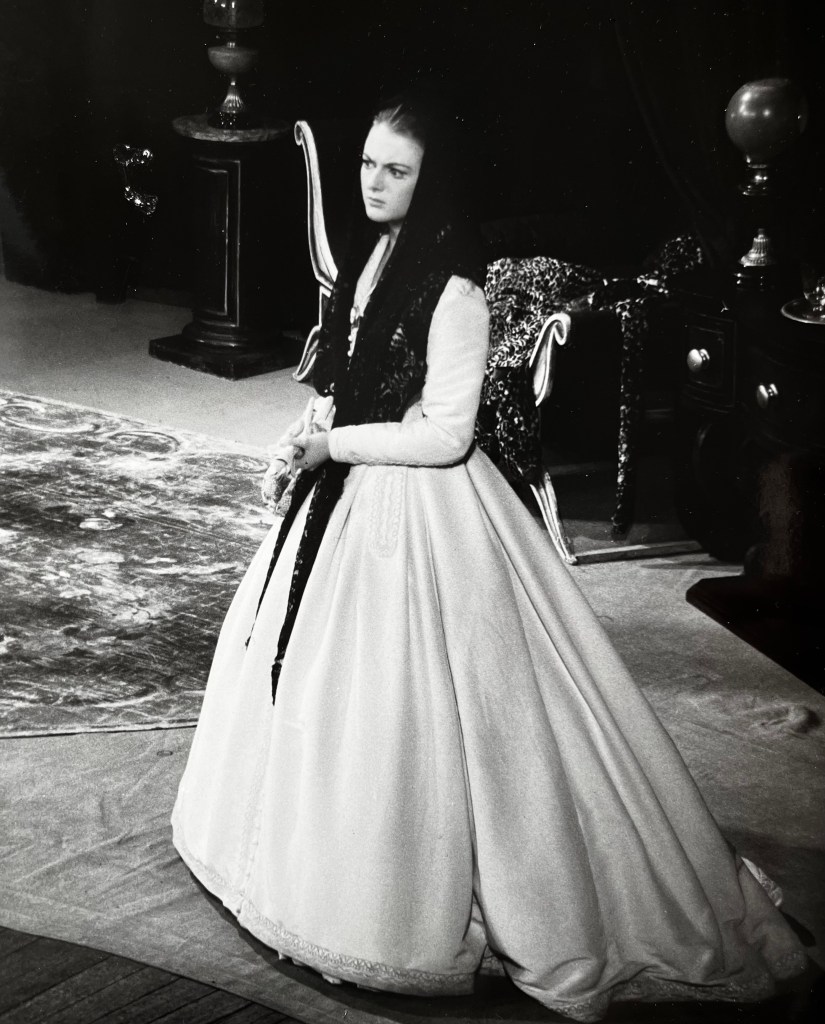
Vivien Leigh came to her dressing room afterwards. The generosity was staggering – the woman who had played Scarlett O’Hara in Gone With The Wind, offering advice to a nineteen-year-old girl after a difficult moment onstage. Curious. Patient. Willing to share what she knew. They got on well.
That moment gave Carolyn something irreplaceable: the conviction that she belonged.
After the tour ended, Vivien mentioned America – would Carolyn join her for Tovarich? The invitation came once, casually, then never again. Carolyn was relieved. She’d just married Coeks, who would be her partner for the next six decades. Marriage. Partnership. A different kind of belonging.
The choice felt clear, inevitable. Love over opportunity. Life over career. The work itself over the image.
What mattered wasn’t the doors that closed. It was what opened instead.
Acting receded the way tides do – gradually, inevitably. For six or seven years before children came, she worked: television, theatre, touring productions. When her two daughters arrived, the impossible became clear. The life she’d chosen pulled her elsewhere. “I didn’t leave it,” she says. “It just sort of ebbed out.”
What filled the space wasn’t emptiness. It was writing. A way of unearthing truth. A voice she’d been searching for all along.
When she sat down to write, something shifted. The words that sometimes came haltingly in conversation flowed with devastating clarity on the page. She began writing plays – dramas exploring the darkest corners of human experience.
This is what she writes: marriages destroyed by unspoken grief. Monologues about secrets carried for thirty years. Short stories where one moment fractures everything. Her work explores guilt that never lessens, the cruelty of silence, the gap between what we show and what we carry inside.
Why darkness? Why guilt and grief and secrets too terrible to speak?
Perhaps because growing up backstage, married to Coeks, she’d spent her life watching the divide between public face and private truth. Theatre families understand this intimately – the costume you wear, the role you play, the person you actually are when the curtain falls.
Her plays excavate that territory. They ask: what happens when we can no longer maintain the performance?
But here’s what makes her work different from mere exploration: she never abandons her characters to their darkness. There’s always redemption at the heart. Always the possibility of forgiveness.
BBC Radio 4, Britain’s premier spoken-word radio station, commissioned The Beautiful Couple for their afternoon play slot. The national press reviews were glowing. It was named, radio drama ‘Pick of the Week’. The play explores a marriage frozen by time – a couple who return to the Spanish hotel where they honeymooned thirty-seven years earlier, desperate to recapture what they’ve lost. Can people come back from that kind of erosion?
The darkness only deepened. The Confession, a monologue for Actors & Writers London, excavates even darker territory. A woman finally speaks to a psychiatrist about what happened when she was eight – her baby brother’s death, the guilt she’s carried for thirty years. “I think I was responsible for the death of my baby brother, Bertie,” she confesses. “Correction – I know I was responsible.” The relief and the horror are inseparable.
Feeling the Fear and Other Intriguing Tales, her collection of short stories, began with a real personal moment – a terrifying false take-off where nothing made sense. In reality, the plane took off. In fiction, her character gets off – and discovers what’s waiting at home. Love lost, destiny derailed by forces beyond control.
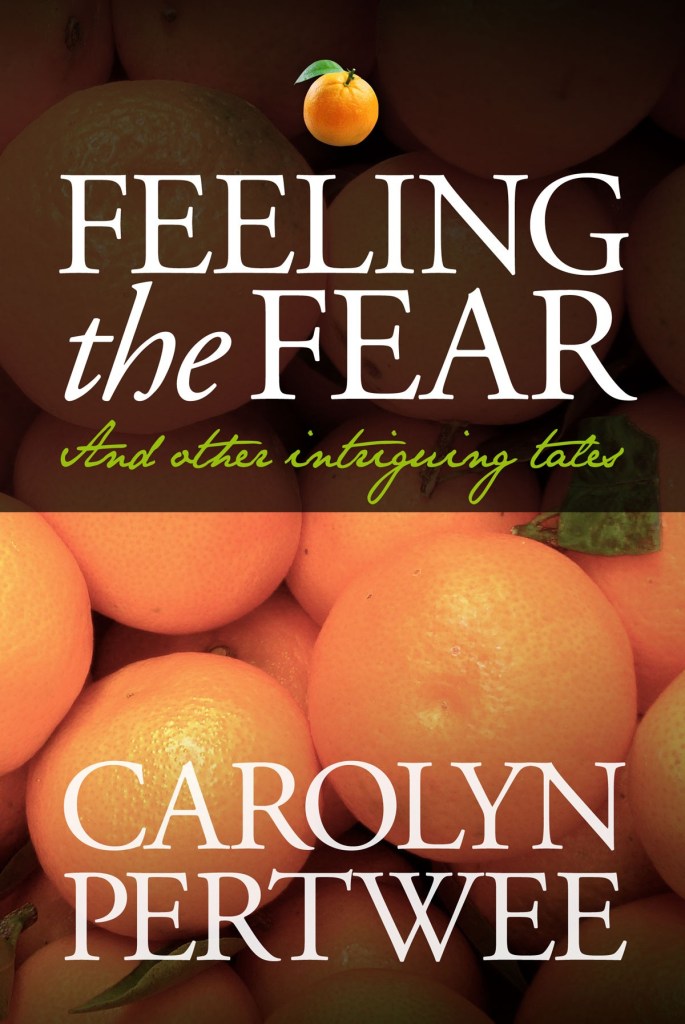
“Stories come to me quite readily,” she says. Emotional truths pour forth about how we fail each other, how we carry unbearable things. Unflinching darkness. Sudden reversals.
This is her genius: transforming life’s hardest trials into voice, articulating in writing the truths that sometimes elude conversation.
“I’ve been quite creative the last few months – thank God!” Her writing routine is variable – when she’s really into a piece of work, she works at it all day and into the evening. “I have to remind myself to eat!”
Barnes has been good to her creative life. At the OSO Theatre, just down the road, she’s seen her works produced. Sexologically Speaking, four short plays about sex and older people, “went down really well.” In 2021, Life Changes ran there – eight short plays on love, lies, and secrets. Carolyn performed in three of them. She was eighty.
Coeks died ten years ago. They’d been married since 1963. “How important they are,” Carolyn says quietly when asked what she understands now about love and companionship. Not an elaborate answer. Just that simple acceptance. The weight of absence. The gratitude for what was.
If she could tell her younger self anything – that girl at RADA, absolutely terrified, about to perform opposite Vivien Leigh on the other side of the world – what would it be?
“Try and have more confidence.”
Through motherhood, through grief, through physical adversity, the work continued because a deeper compulsion demanded it. Not acclaim. Not validation. The unwavering search for meaning. The quest to answer existential questions through the only language that makes sense to her: the stories we tell about the contradictions we live.
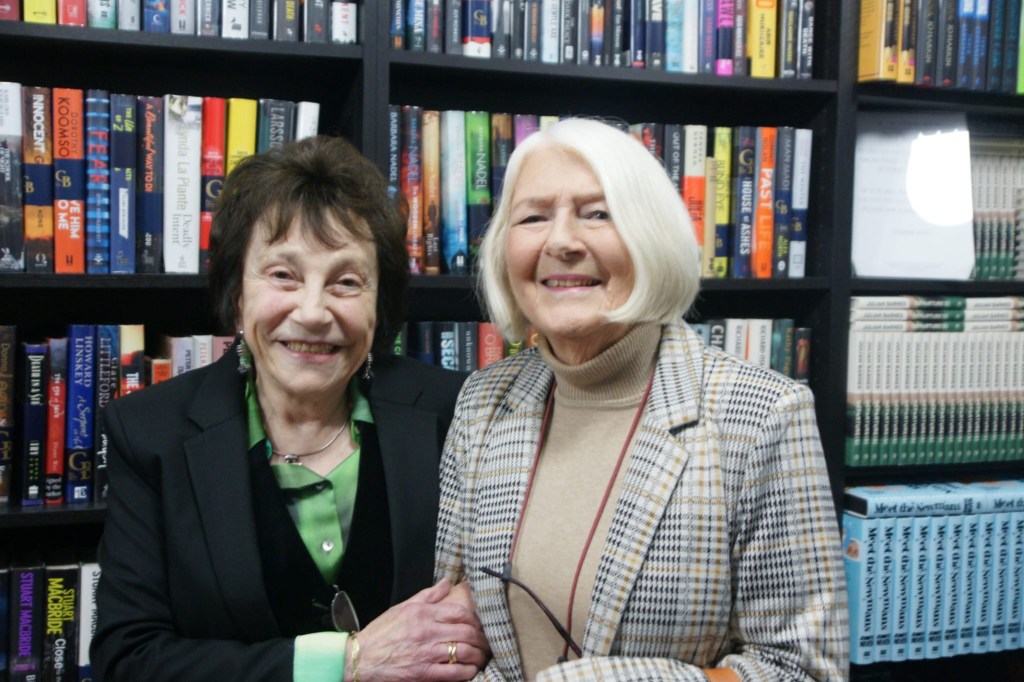
I left Carolyn’s house and spent days thinking about what she’d shown me. Reading about her life. Listening to what she’s doing now. The plays she’s writing. The questions she’s still asking.
That’s when it all came together for me.
It’s not about getting to your destination. It’s about the beauty of discovering life as you travel through it. Discovering yourself in the process – which may even surprise you.
The world Carolyn grew up in, worshipped craft. Demanded rigour. Expected years of training before you earned the right to step onstage for money. That world hasn’t vanished – actors still train at RADA and the Guildhall, still commit to excellence, still honour the discipline.
But something shifted. The culture bent towards consumerism. Audiences began expecting different things. Spectacle over substance. Magnetism over craft. The divide widening with each passing season. The industry moves faster now, burns brighter, values image differently.
Carolyn continues creating as if none of that matters. Because to her, it genuinely doesn’t.
This is what I didn’t understand before I met her. I thought the journey had a destination. I thought you worked toward something – recognition, success, arrival – and then you’d earned the right to rest.
What Carolyn taught me is simpler and more profound: the search never ends. She’s still asking questions. Still transforming silence into voice, loss into story.
We think we arrive somewhere and stay. We don’t.
None of us are exempt from life’s unpredictability. From losses that fracture everything. From choices that redirect destiny. Legacy might open doors, but it doesn’t tell you what to say once you’re in the room.
That, you have to find yourself. And the search never ends.
Living quietly in Barnes, surrounded by photographs signed with enduring love and gratitude, Carolyn Pertwee represents something we’re in danger of forgetting. Not nostalgia for a bygone era, though that world is invariably disappearing. Not the value of training, though that matters.
What she represents is the unceasing quest itself.
The need for voice, for purpose, for meaning – it doesn’t stop at thirty or fifty. Life keeps asking difficult questions. We keep answering through our work. Through what we create. Through how we transform grief into voice, loss into story, contradiction into art.
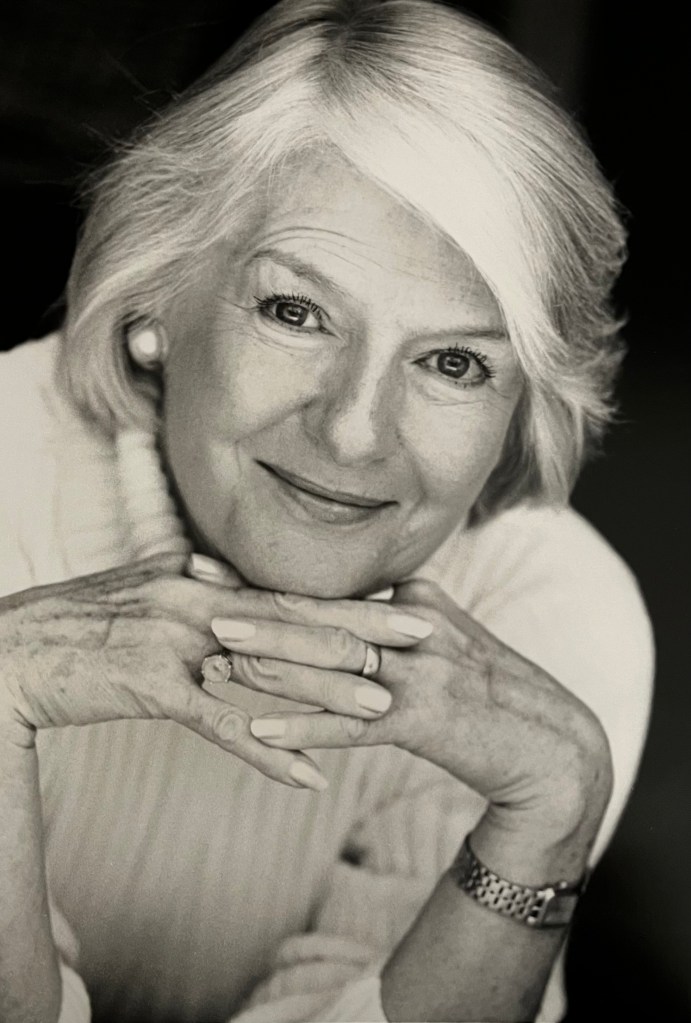
At nineteen opposite Vivien Leigh. At eighty performing her own work. Now, still pursuing answers. Still writing. Still reasoning with human darkness. Still finding redemption at the heart.
This is what endures when everything else fades.
Not the applause. The work. Not the recognition. Persistence.
The relentless spirit.

 neunmagazine.com