
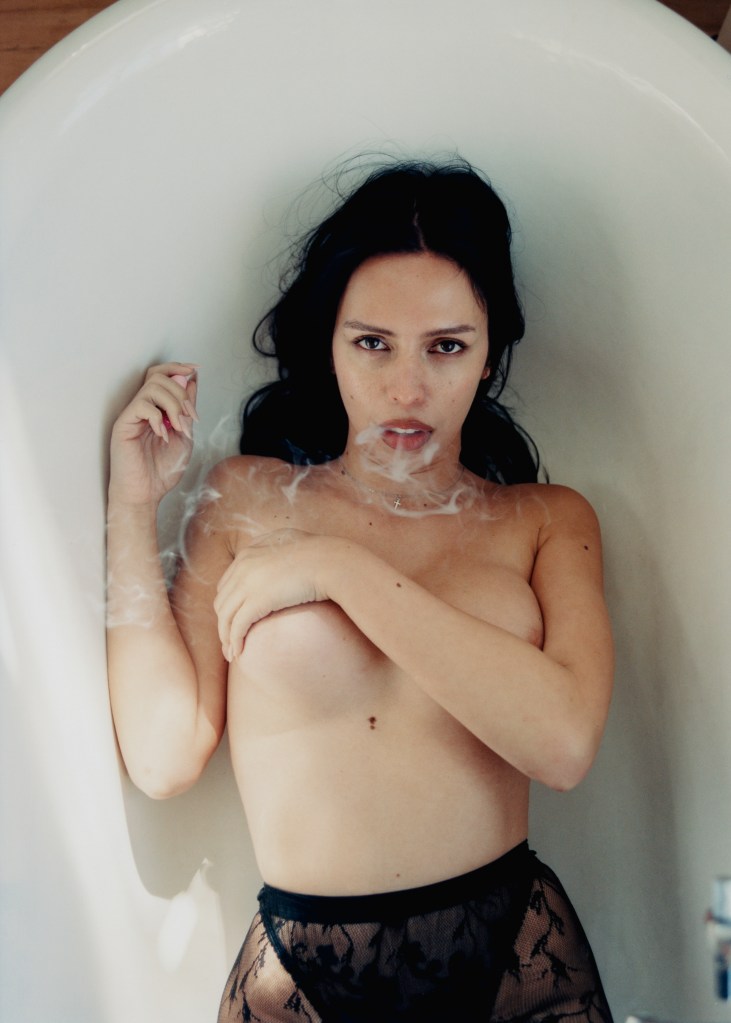
Belonging is not a place. It is the unassuming moment when every piece of you slowly converges — and there is calm. Familiarity. A wish to stop. This is Ezekiel’s story. And quietly, unmistakably, it is yours too.
Windows to a world finally unlocked.
There is a photograph that doesn’t exist yet, or perhaps it exists in the body rather than on film. A six-year-old standing at the edge of the Brighton seafront in early spring, crying. Not because anything terrible has happened. Because it is cold in a way they have never known, and nobody told them the world could do this; could turn grey and biting and strip the warmth from the air as though it were something that had to be earned.
Their mother holds them and says: “Don’t worry, it’s going to go away, I promise.”
They don’t believe her.
They are right not to. Something is already beginning, not the cold, which will eventually yield to an English summer neither of them fully trusts, but something quieter and more permanent. The slow, almost imperceptible process by which a child learns to become legible to the world they have arrived in. The process by which one world is set down, gently, without ceremony, without anyone meaning any harm.
Without anyone noticing. Not even the child.
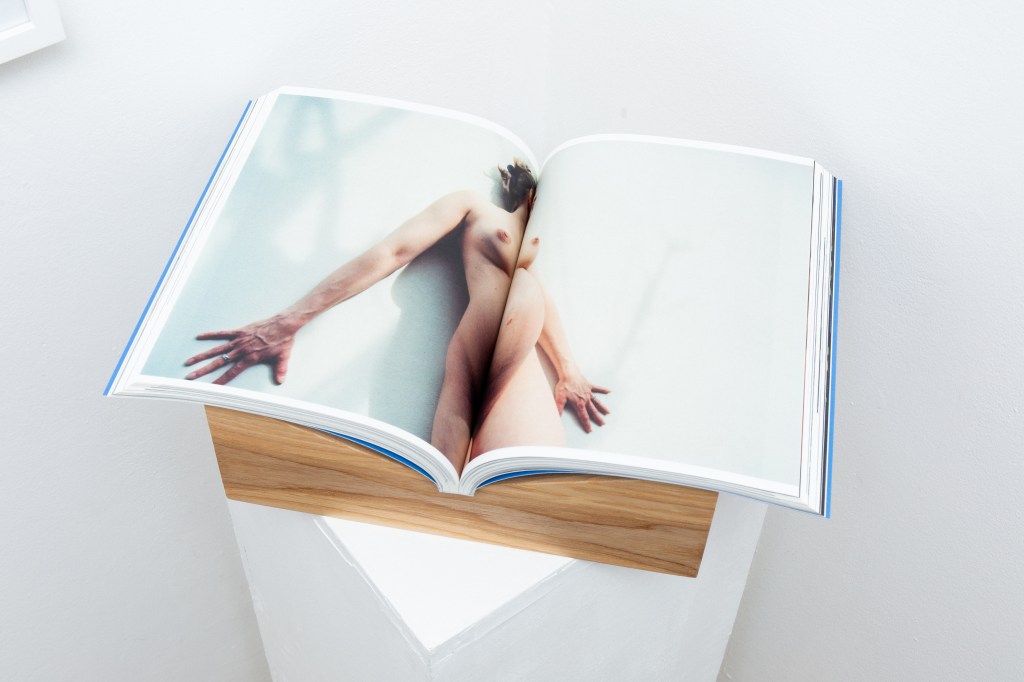
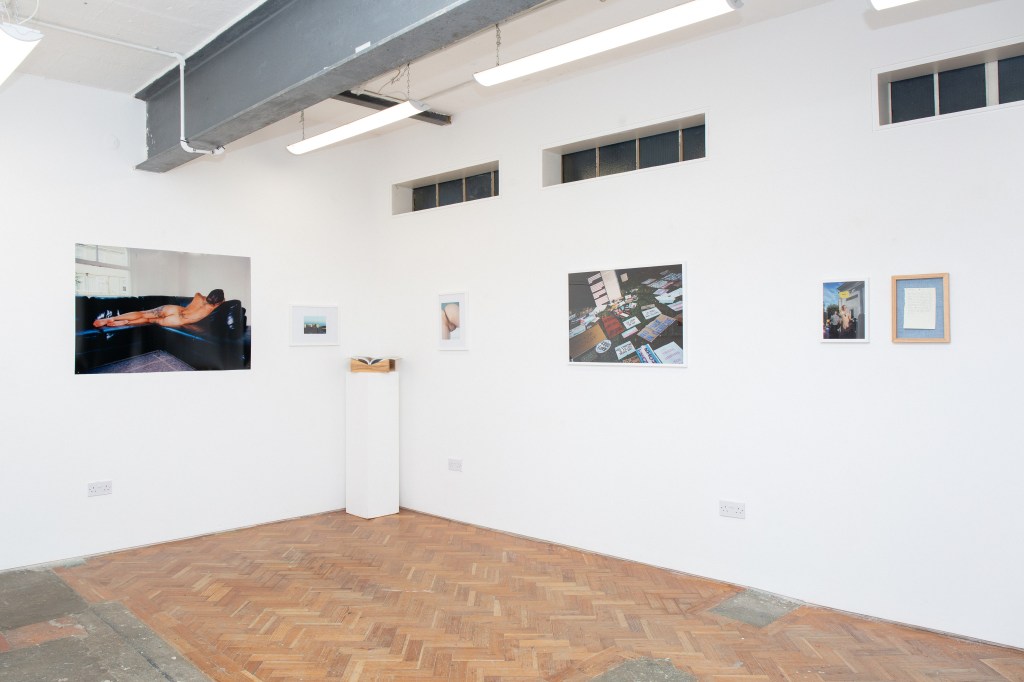
Ezekiel was six years old when their family left the south of the Philippines for Brighton. They are twenty-nine now; a photographer and filmmaker based in London, the founder and creative director of SMUT, an acclaimed erotic photo-book series they built entirely on their own terms, after looking around at the publishing landscape and deciding, with characteristic clarity, that they had no interest in handing their work to institutions owned by people who looked nothing like them. Their latest project, Somewhere between a doll and a dog, is currently exhibited at CRATE Margate, open until Easter Sunday. It is the most personal thing they have ever made. It took three years, three continents, a return to a homeland they hadn’t seen in a decade, and a series of photographs taken beside their father’s hospital bed after open heart surgery.
It is a book about the in-between. But it is also, quietly and without insistence, about us.
This is not a story about photography, though photography is everywhere in it. It is not a story about identity, though identity runs through every frame. It is a story about the distance between the person you were before the world got hold of you, and the person you fought your way back to becoming. It is a story most of us know, not in its details, but in its shape. In the particular silence of the thing that was lost before we had words for it. In the moment, years later, when everything suddenly, finally, made sense.

There is no single moment Ezekiel can point to. No door that closed, no voice that said: stop, you are doing this wrong. That is the particular cruelty of assimilation; it doesn’t announce itself. It arrives the way the cold did. Gradually. Until one day you look down and your hands are someone else’s.
“I grew increasingly detached,” they tell me. “Insular. Quietly observing but rarely feeling as though I truly belonged.”
In the Philippines, belonging had been woven into the texture of ordinary life. Trans cousins. Butch aunties who went by male pronouns. Men who cross-dressed and nobody questioned it, nobody named it, because it didn’t need a name; it was simply part of the fabric of community, as unremarkable and essential as the heat, the rain, the open-field church made of metal where everyone from the neighbourhood gathered not because they were told to, but because that is what people do when they feel held by something larger than themselves.
Catholic school in England held them differently.
“There was no language,” Ezekiel says, “for the subtle dissonance between who I was and who I felt I needed to become.”
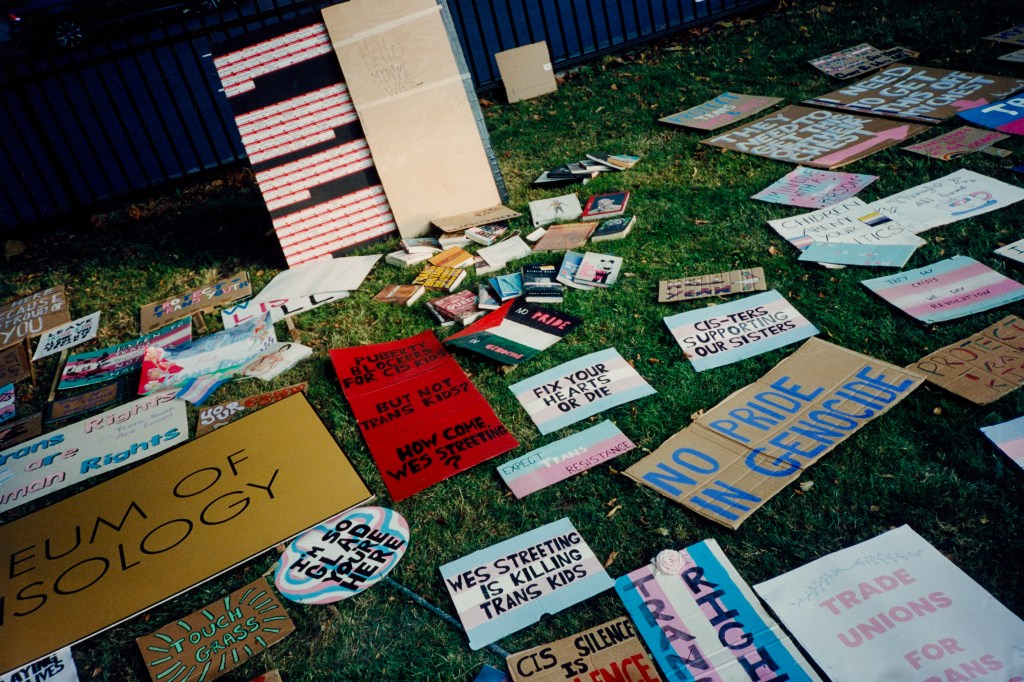
And so the assimilation happened almost unconsciously, the slow erosion of parts of themselves. The language. The food. The customs. The quality of belonging that had once felt innate. They didn’t know, at the time, what was being taken. You rarely do. That is the nature of a thing taken in increments, across years; by the time you notice the absence, you can no longer remember exactly what was there.
It wasn’t until their mid-twenties, in the thick of making this project and working with a therapist who specialised in gender and existentialism, what Ezekiel describes with a wry laugh as “the two banes of my life,” that they began to confront the full extent of that disconnection. Through what they describe as incredibly intense sessions and deep inner work, an understanding began to take shape: that being somewhere between had always been part of their nature, in gender, in sexuality, in cultural identity. That life itself is a constant in-between. A state of continuous transformation. Nothing truly begins. Nothing truly ends. We are always, all of us, somewhere in the middle of becoming.
The distance, finally named, needed to be crossed.
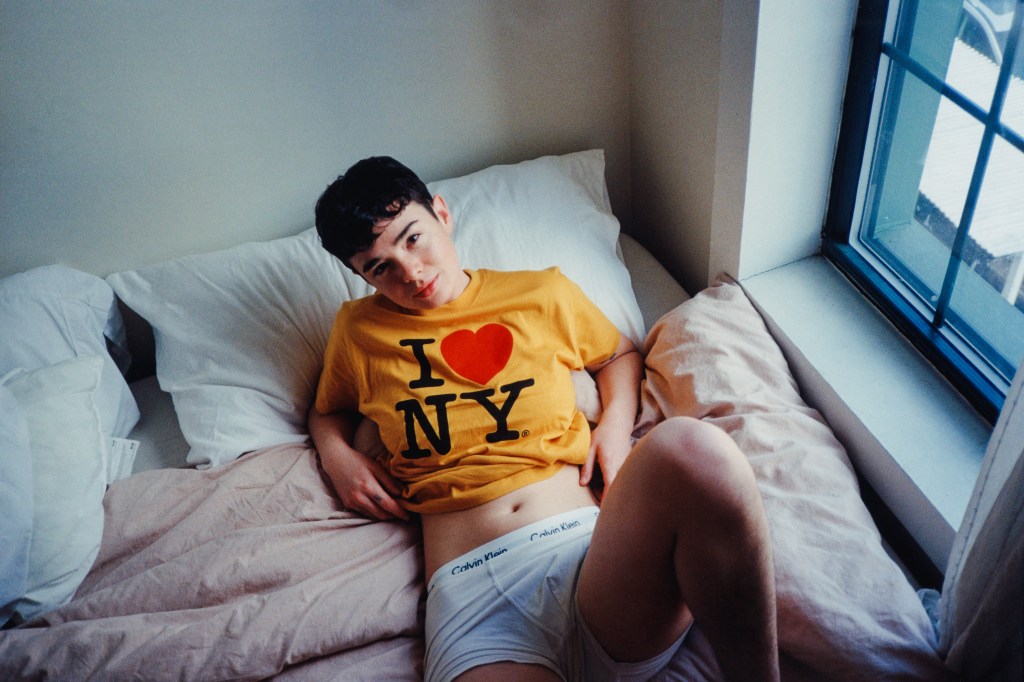
In April 2024, on an ordinary day with no particular reason attached to it, Ezekiel booked a flight to the Philippines.
They hadn’t been back in ten years. There was no plan, no calendar consulted, no careful weighing of the decision. Just a visceral, almost physical need to return, something that bypassed reason entirely. “I could only describe it as a higher consciousness guiding me back.”
When they landed, they felt like a stranger.
This is the part that doesn’t get told often enough, the return that doesn’t feel like a return. Manila was vast, humid and overwhelming, and Ezekiel moved through it anxious and uncertain; a westernised outsider in the place they were supposed to belong. “I still don’t like winter here, they say. I just genetically don’t think I was made for it.” The distance accumulated over two decades of English seasons had followed them onto the plane.
And then, about a week in, someone invited them to a rave.
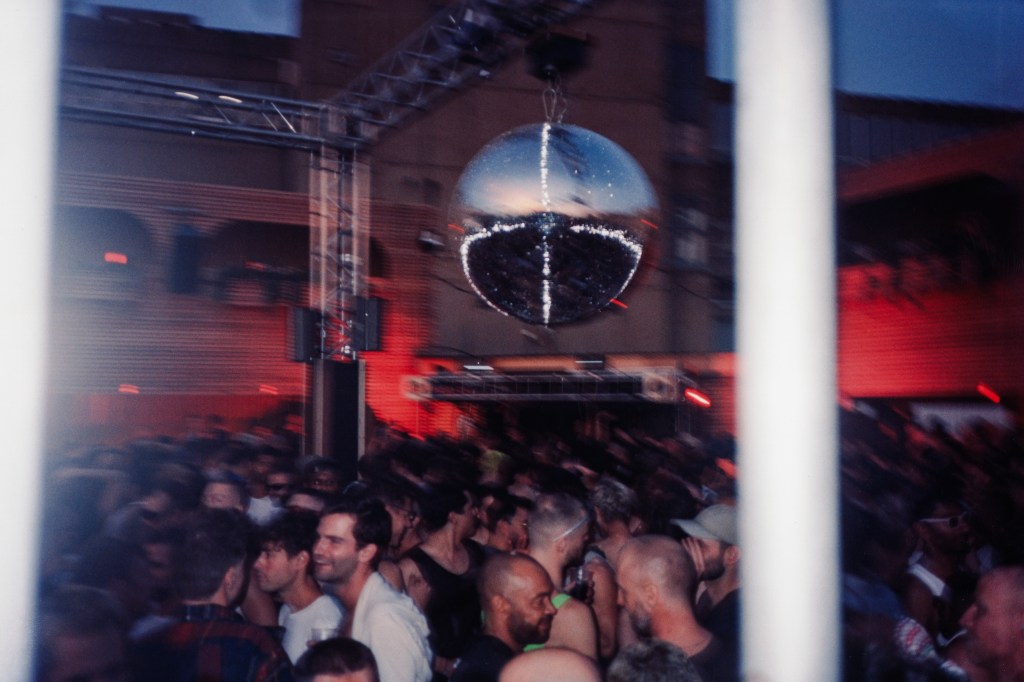
It was organised, with a synchronicity that felt almost too deliberate to be accidental, by a collective called SMUT. Ezekiel stepped inside and found themselves surrounded, for the first time in their life, by people who felt like home. Brown bodies. Queer bodies. Trans bodies. Beautiful and present and entirely unconcerned with being anything other than what they were.
“That night marked the first time I had ever truly felt at home on a night out.”
The project shifted with them. What had begun as a personal reckoning became, in that room, something larger than autobiography. Ezekiel understood, standing there, that what they were making was not just for themselves. It was for everyone who had ever stood at the edge of a room wondering whether they were allowed inside.
Back in London, and across the years of shooting, Ezekiel had been doing something remarkable, walking deliberately into the spaces that frightened them most. A men’s open-air prison in the Philippines. Backstage at a male strip club in East London, every Saturday for nearly two months. Their brother’s football team on a Sunday pitch. Each space entered with the expectation of rejection. Openness, acceptance, a willingness to be seen. That is what they found instead. It was not the spaces themselves that healed something. It was what they proved.
That the thing feared most is rarely what we imagined it to be.
Because the hardest room was still to come.
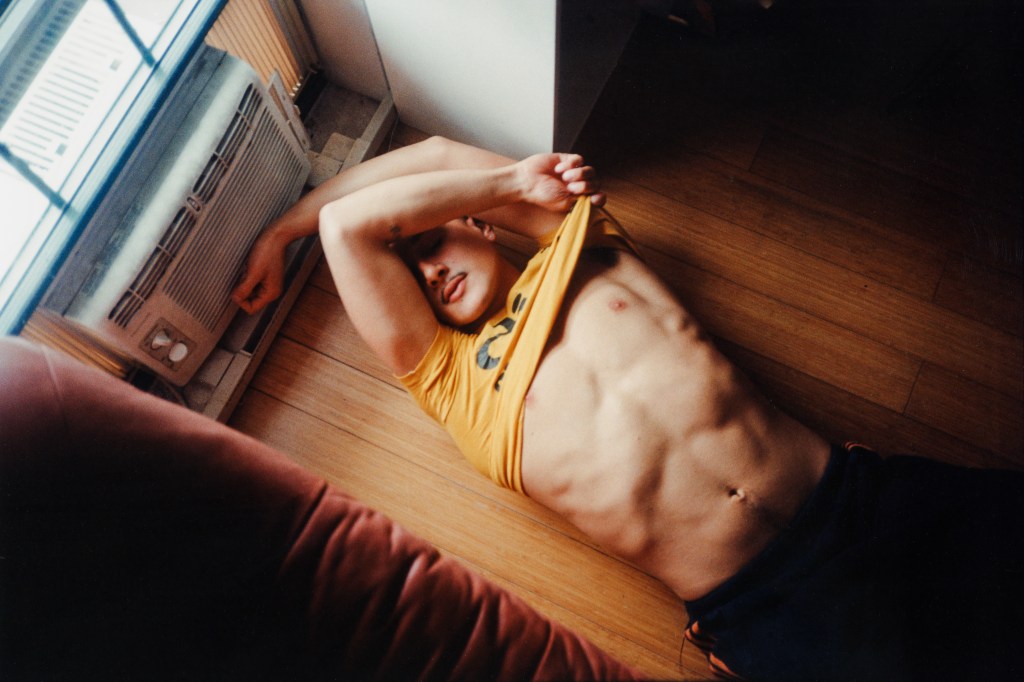
In early 2024, Ezekiel began photographing their father, the man they describe, simply and without drama, as the catalyst for their complicated relationship with masculinity. Warm and accepting in his way, but marked by years of addiction and a heart that had given way under the weight of everything it carried. While Ezekiel was in New York, he had a heart attack. They came home. He had open heart surgery. And Ezekiel brought the camera.
Not as documentation. As language.
“My father and I have always struggled with communication, they say. It was through the camera that we found a way to begin opening up, to confront what had long gone unspoken.”
In the quiet of that recovery, father and child became, for the first time, legible to each other. “When he finally opened up to me,” Ezekiel says, “I told him: this is the first time I feel like I actually know who you are.”
And underneath all of this, threaded through the Manila rave and the prison yard and the hospital room, something else had been surfacing. A discovery that would reorder everything.
In the precolonial Philippines, before colonisation arrived with its rigid architecture of gender, transgender deities were not aberrations. They were sacred. Lakapati, the Tagalog goddess of fertility and agriculture, was transgender. Third-gendered beings were considered bridges between the spiritual world and the living, healers, holy figures, essential to their communities.
Ezekiel had spent years being told, in ways subtle and unsubtle, that who they were was a deviation from something normal. And then they discovered that their own ancestors had always considered it holy.
“Everything started to make sense.”
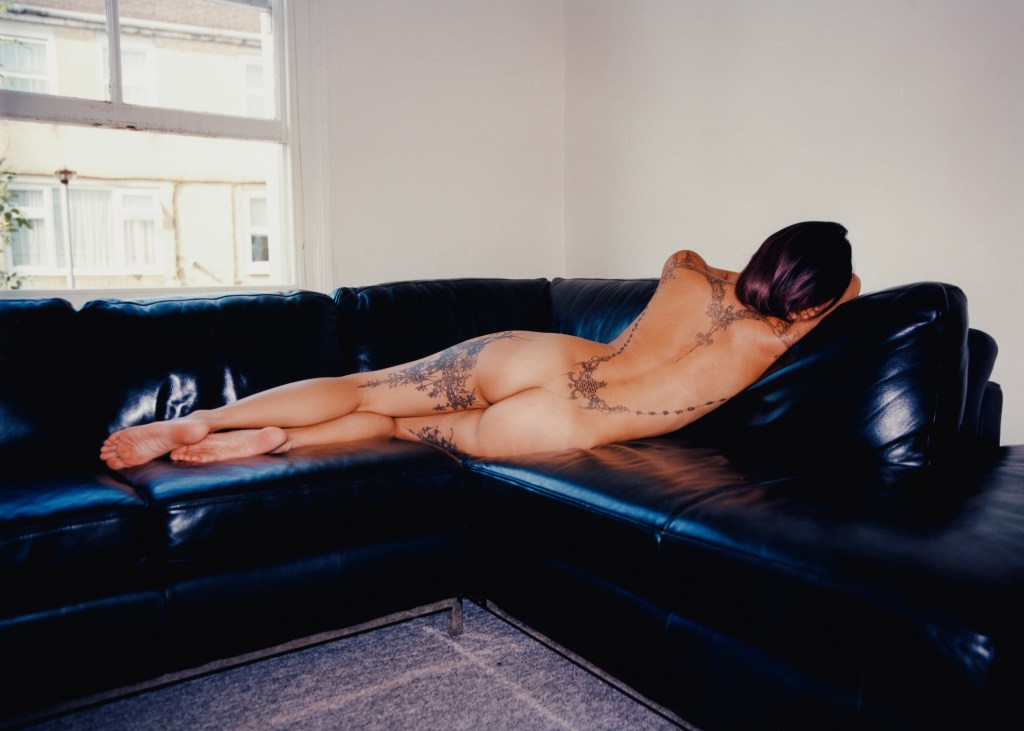
The exhibition is in Margate.
This is not incidental. Ezekiel chose it deliberately, with full knowledge of what that choice meant. Kent Council is run by Reform UK, a party that has made its hostility to immigrants and trans people not just policy but identity. To open Somewhere between a doll and a dog here, in this town, under this council, is not provocation for its own sake. It is something quieter and more defiant, the simple, radical act of existing fully in a place that would prefer you didn’t exist at all.
“It felt quite important to do these events where it might ruffle a few feathers,” Ezekiel says, “and where these people actually hate me for who I am.”
The exhibition runs until Easter Sunday, the 5th of April. Fridays to Sundays. Intimate, unhurried, human. Exactly right for work that asks you to slow down.
Because that is what this work demands. Not analysis. Not categorisation. Not the quick scroll and the double tap and the move on. It demands the thing most scarce in the world Ezekiel is pushing back against, stillness, presence, the willingness to sit with what you feel before you decide what to call it.
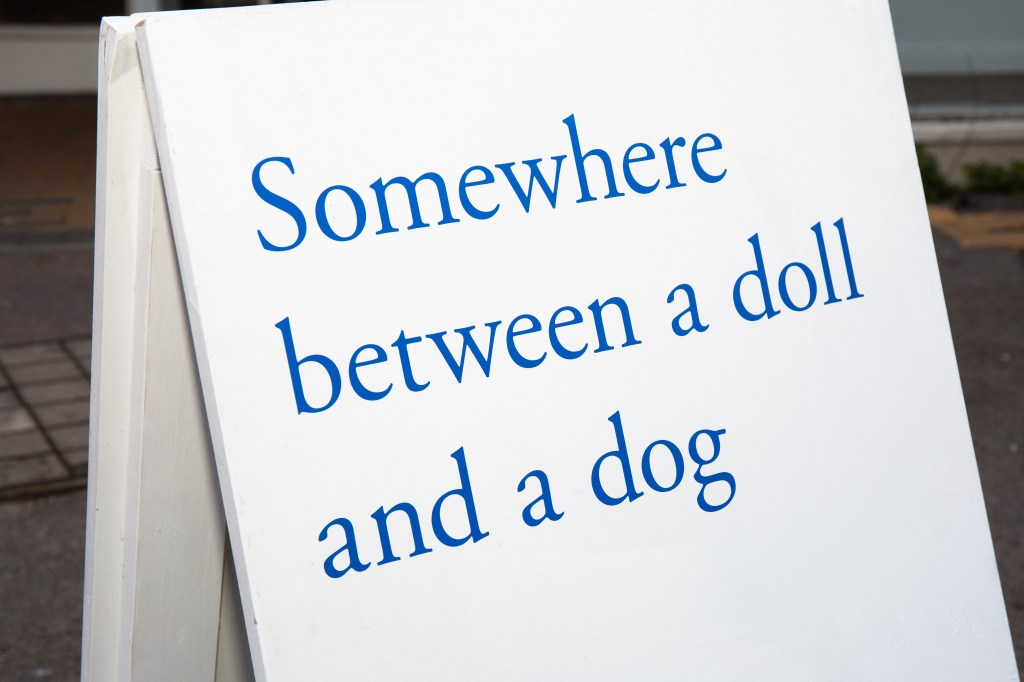
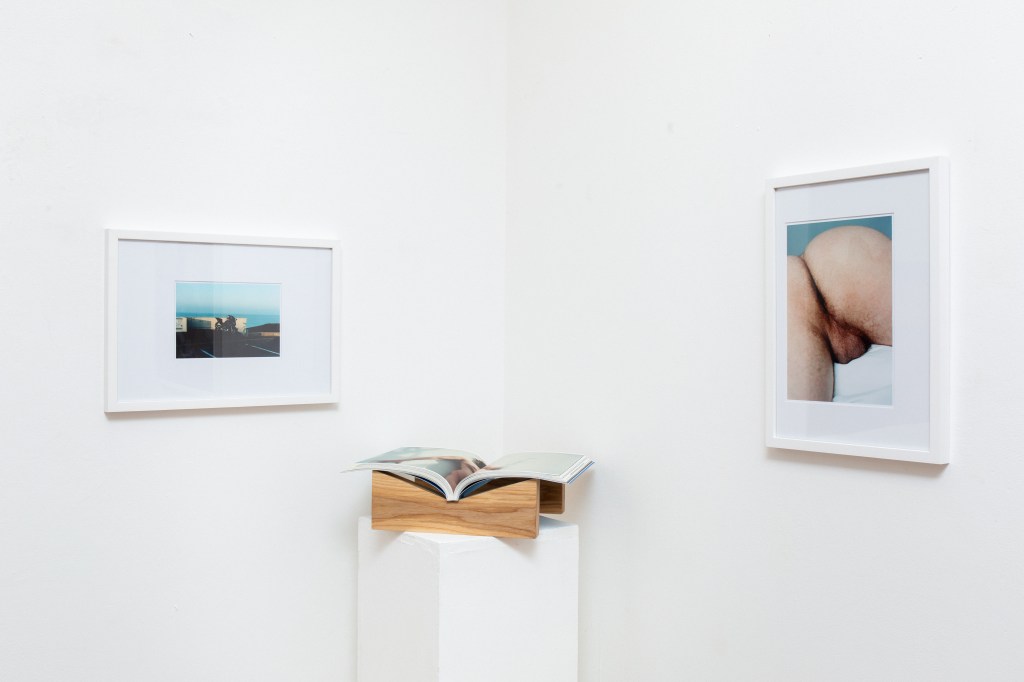
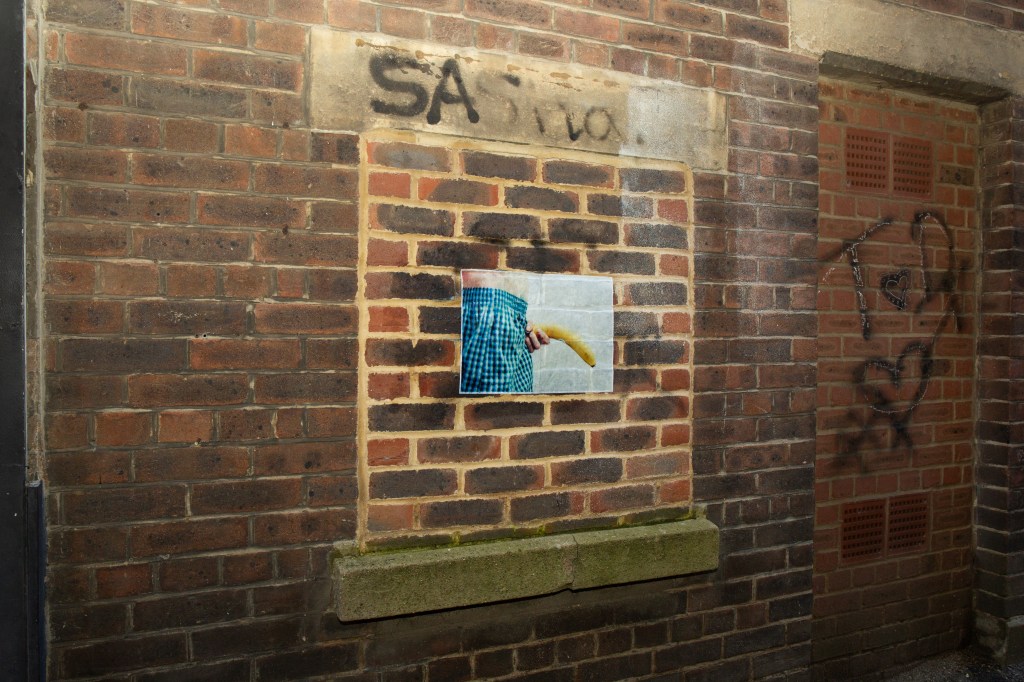
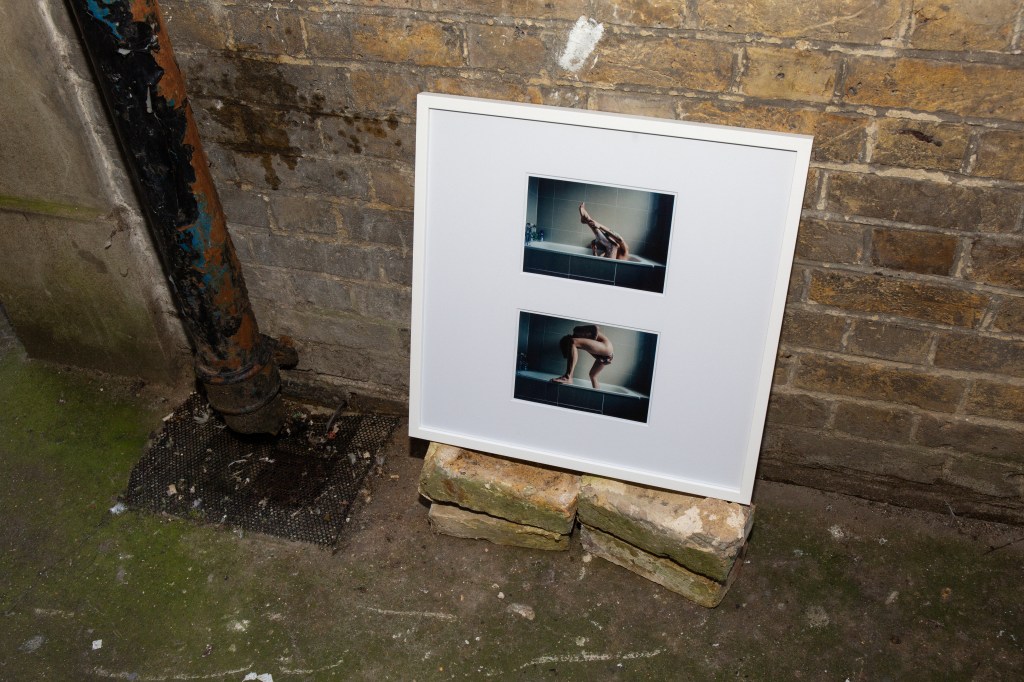
“More than anything,” Ezekiel says, “I think people will need to take a moment to breathe after experiencing the book. It invites a kind of pause, a necessary stillness in which to sit with what has just been felt.”
A necessary stillness.
In a world where even grief is flattened into content, where the algorithm rewards the instant and discards the considered, Ezekiel has made something that refuses all of that. Something that insists on being felt rather than consumed. Something that asks, gently but without apology: when did you last sit with yourself long enough to find out who you actually are?
The in-between, it turns out, is not a problem. It is not a phase, not a failure of definition, not something to be resolved into something more legible. It is, as Ezekiel has spent three years and three continents discovering, the most honest address any of us has ever had.
“Nothing really starts, they say, and nothing truly ends. We experience a constant death and rebirth. Through these perspectives, I was able to find comfort in the somewhere between, and liberation and contentment in the unknown.”
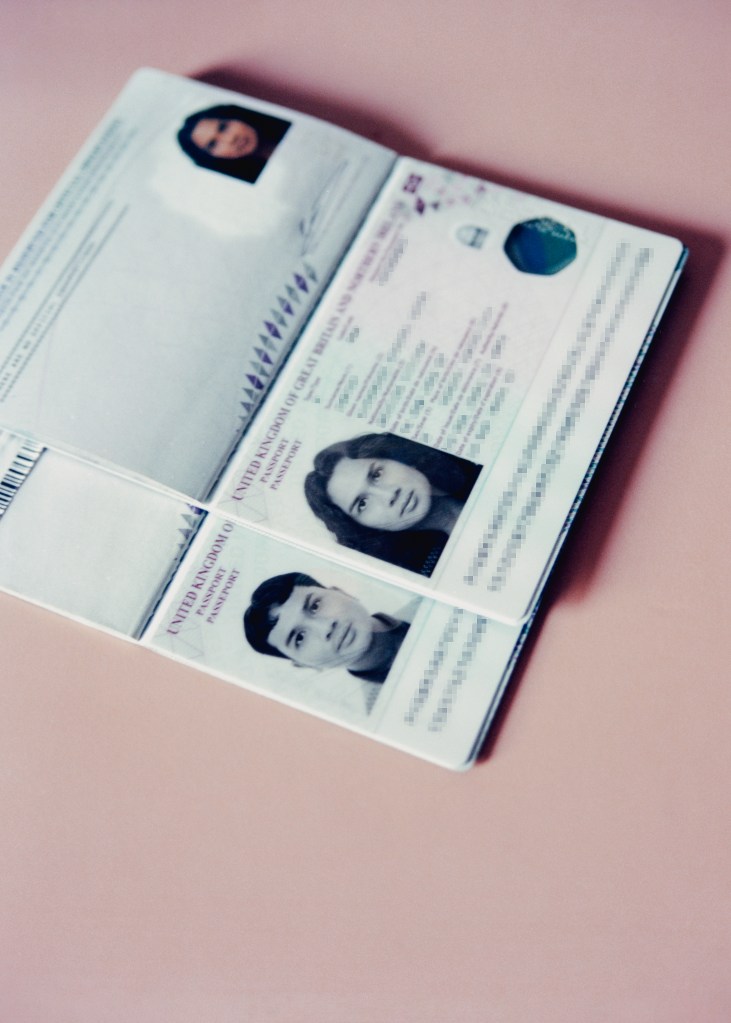
Somewhere between a doll and a dog. Somewhere between the Philippines and Brighton. Somewhere between the child who cried on a seafront because nobody told them about winter, and the artist who flew back to their homeland alone and danced, surrounded by people who understood.
Somewhere between who we were told to be and who we actually are.
This is not a gap to be filled. This is where we live.
 neunmagazine.com