One woman’s undercover investigation into the manosphere reveals how normalised extreme misogyny has become.
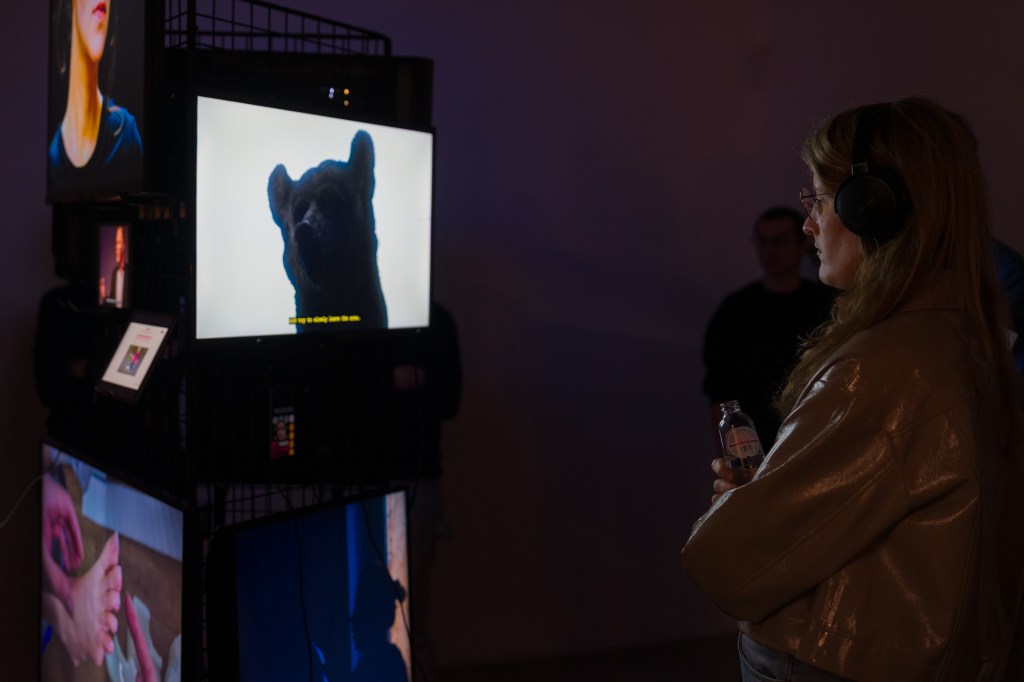
Sandra Singh, a German-Indian artist won the IKOB (International Art Centre East Belgium) 2025 Belgian Feminist Art Prize, creating work which exposes the dangers of the incel (involuntary celibate) community. Her exhibition ‘Virtual War’ not only denounces online misogyny but reveals how accessible and commonplace this content has become.
Incels, Andrew Tate, the manosphere, the Black Pill. If you’ve spent time online, you have likely encountered one of these terms. The incel movement is a community of men who blame women and feminism for their romantic failures. But it doesn’t stop at hateful online messages. Violence against women is increasingly entering public discourse. In July 2025, an 18-year-old man was arrested in France and suspected of planning an attack on a woman with a knife. From the viral “Would you rather encounter a bear or a man in the woods?” dilemma on TikTok to Netflix’s recent series Adolescence, this topic has become unavoidable.
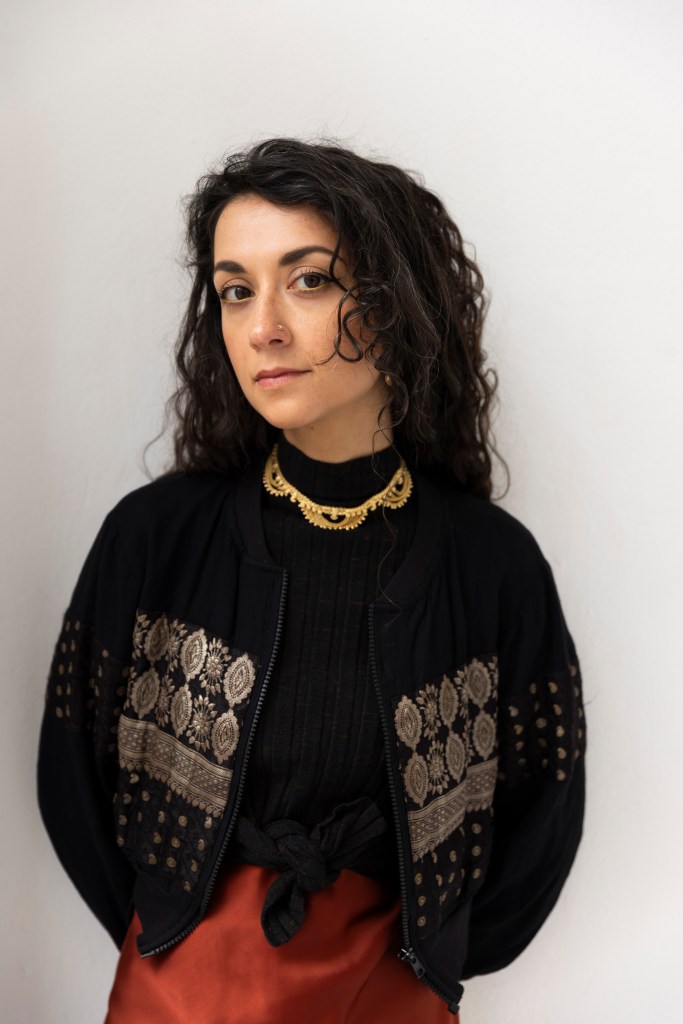
As this issue gained attention, Singh wanted to understand and confront it through art and noticed how the idea of exploring the manosphere and its dangers felt natural to her. As she explains: “I’m a woman on the internet. That experience alone is enough to “inspire” this work ten times over.”
This realisation marked the beginning of her art project “Virtual War”, which involved the lengthy process of infiltrating and collecting content from incel forums. One might assume that accessing these groups would require diving into the dark web. But as Sandra discovered, the reality is far different. She describes how “frighteningly easy” it was: “Most incel forums are not on the dark web, they simply exist online, with their own rules. They don’t adhere to the moderation and etiquette systems we expect from standard social media platforms.”
This accessibility isn’t accidental. The manosphere wants to recruit people and normalise extreme misogynistic discourse. “Being hidden deep in the dark web wouldn’t serve their purpose at all”, she says. To avoid removal by hosting providers, users employ codified language to circumvent moderation. But you still have to prove your allegiance. “People who just ‘lurk’ or ‘troll’ and are not ‘real incels’, will be banned swiftly.” This leaves little room for dissent: on these forums, you either agree or you’re out.
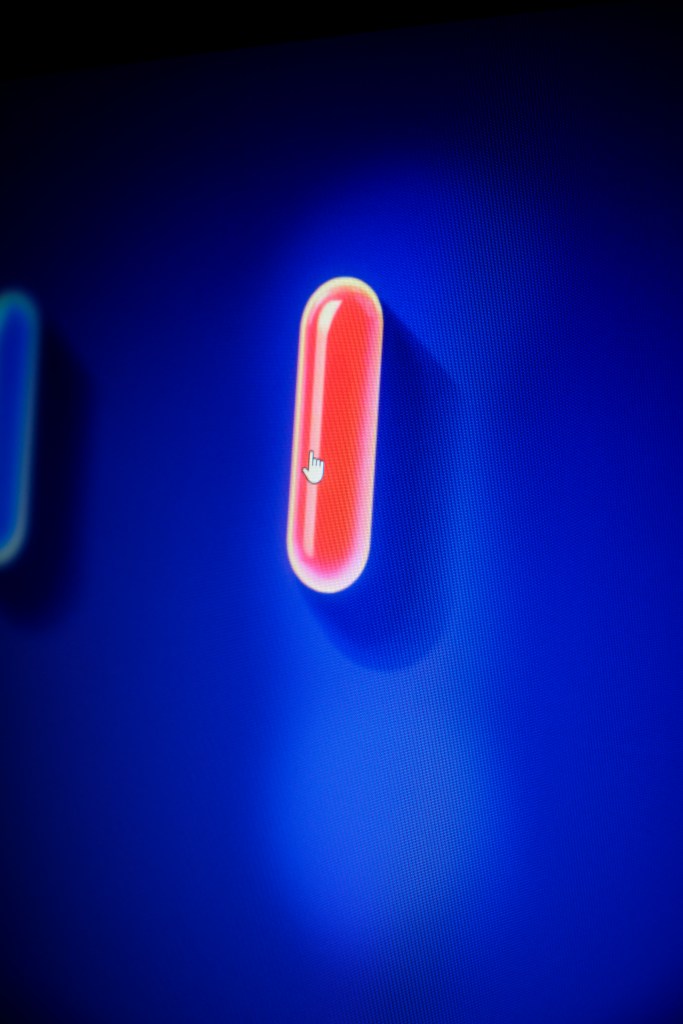
The manosphere has developed its own linguistic codes, usually from movies, memes or sexist language. As Singh explains, “the most famous codes are the “pills”, originating from the 1999 movie, “The Matrix” – most Incels describe themselves as red- or black-pilled”, she says. In the movie, the blue pill allows you to remain in the illusion of the Matrix, while the red pill reveals the truth about the real world, dehumanised and brutal. The black pill was conceived by incels as a fatalistic vision to explain their lack of appeal to women.
While these codes may seem ridiculous, their exaggerated nature shouldn’t obscure the fact that this content is not buried in the depths of the dark web, but accessible with a single click. “How long do you have to consume this content until you begin to believe and become radicalised by that nonsense?”
Immersing herself in such extreme content left its mark on the artist. While editing “Lone Wolves” (a film compiled from incel attack footage), Sandra studied murderers’ manifestos and police reports. “At one point, I started having nightmares about school shootings”, she says. “It was a clear warning to slow down and to take more breaks.”
When I ask her about the reactions to the exhibition, Singh describes heartfelt moments with FLINTA (Female, Lesbian, Intersex, Trans and Agender) people for whom her work deeply resonates with. But men’s responses were strikingly different. “I’ve mostly received silence from men,” she says. “No questions, no comments, which sometimes feels like no interest whatsoever. I wish I could say I’m surprised, but I’m not.”
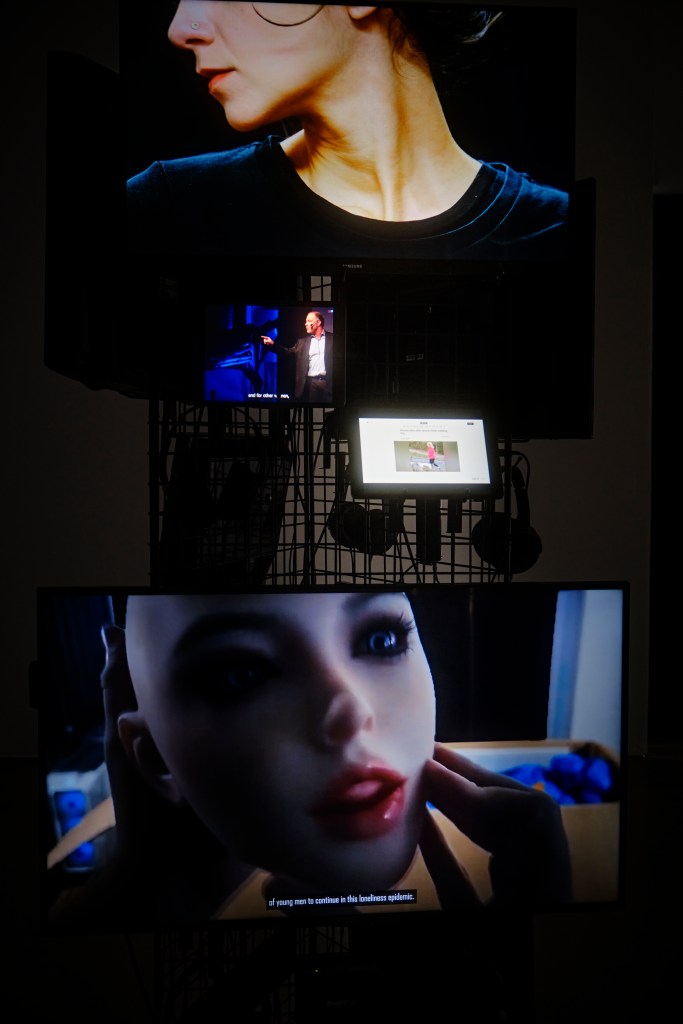
With “Virtual War” Sandra Singh not only won First Prize at the IKOB Feminist Art Prize 2025, she also revealed how easily accessible this violent content is and how its influence is growing. For her, prevention should come from experts who understand contemporary online culture. Singh references Dr. Judith Taylor, an expert on the incel phenomenon, who warns: “A terror attack by an incel pretty much happens every six months. At what point do we start to say “this isn’t a random act, this is a habitual crisis?“ If we fail to act, this hate won’t stay online. It risks becoming normalised, continuing to manifest itself in our reality.