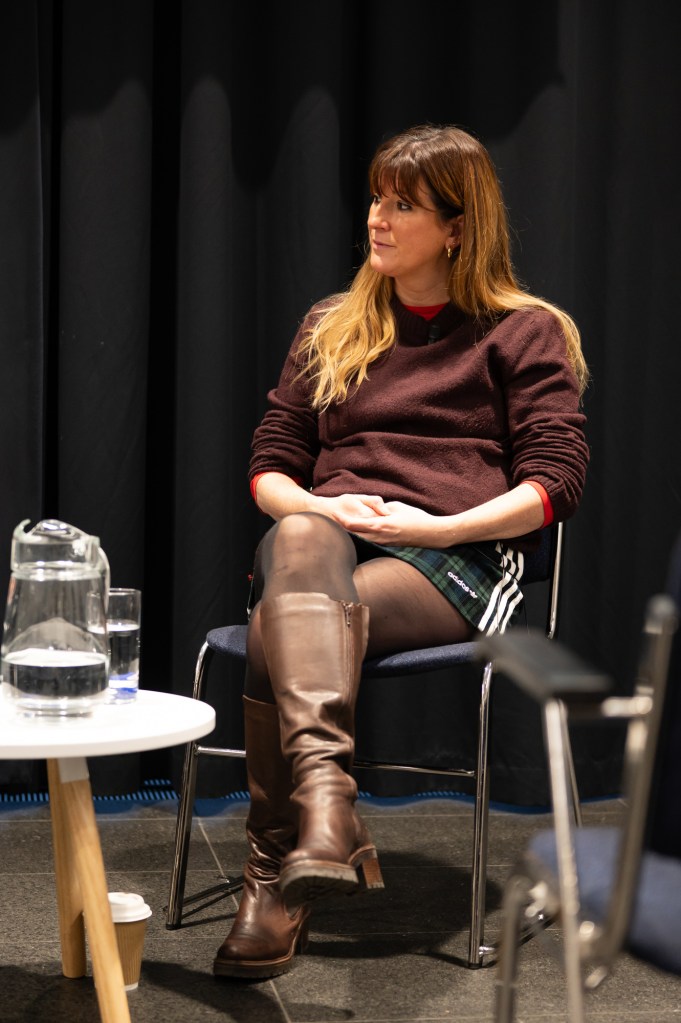
Beth Hughes is an independent curator focusing on art by artists from working-class backgrounds who has spent over 15 years working with publicly-funded contemporary art collections. She spoke to neun Magazine about why working-class art matters — and how turning the system on its head could save us all.
Born into a working-class family in Warrington in the North West of England and now leading the Working Class British Art Network, Beth didn’t think about class until she started university. “Everyone I went to school with was from a very similar social background and while I definitely knew we had less money than my peers, it wasn’t as stark as it was when I went to university.” There, for the first time, she was mocked for not coming from a wealthy family background. “One of the telltale signs was living on a floor with 16 girls and there were only two of us who had a part-time job in our first year.” For Beth, that part-time job at Pizza Hut accompanied her through seven years of education, providing extra income to support herself.
While acknowledging the status quo forcing UK working class students and artists to work multiple jobs to stay afloat, Beth knows this situation too well herself. “During the summer between my undergraduate degree and Master’s, I had four jobs. I worked at Pizza Hut, I worked in a bar, I tutored Maths and English to primary school kids and I worked at a warehouse in the evening.” She firmly believes it served her well in her career as an art curator. “I do think there’s an element of scrappiness that’s quite necessary when you’re putting together exhibitions. Those jobs taught me that I had to get things done. And sometimes, when I meet people from different backgrounds, it’s evident that they didn’t have to toil in the same way.”
During her first job at the Media Museum in Bradford as an education officer, Beth knew she wanted to be the one to put the exhibition together, rather than being handed the completed show. She turned to volunteering at York Minster, where she planned and led an exhibition from scratch. It was whilst working for the Arts Council Collection as a curator in 2012, that she came across working-class artists who would present artwork about their working-class background. To her surprise, no one actually mentioned the term working class. “It felt quite sanitised […] and we used lots of words around social deprivation, but we never said that the work was about the topic of the working class from an actual artist from a working-class background.”
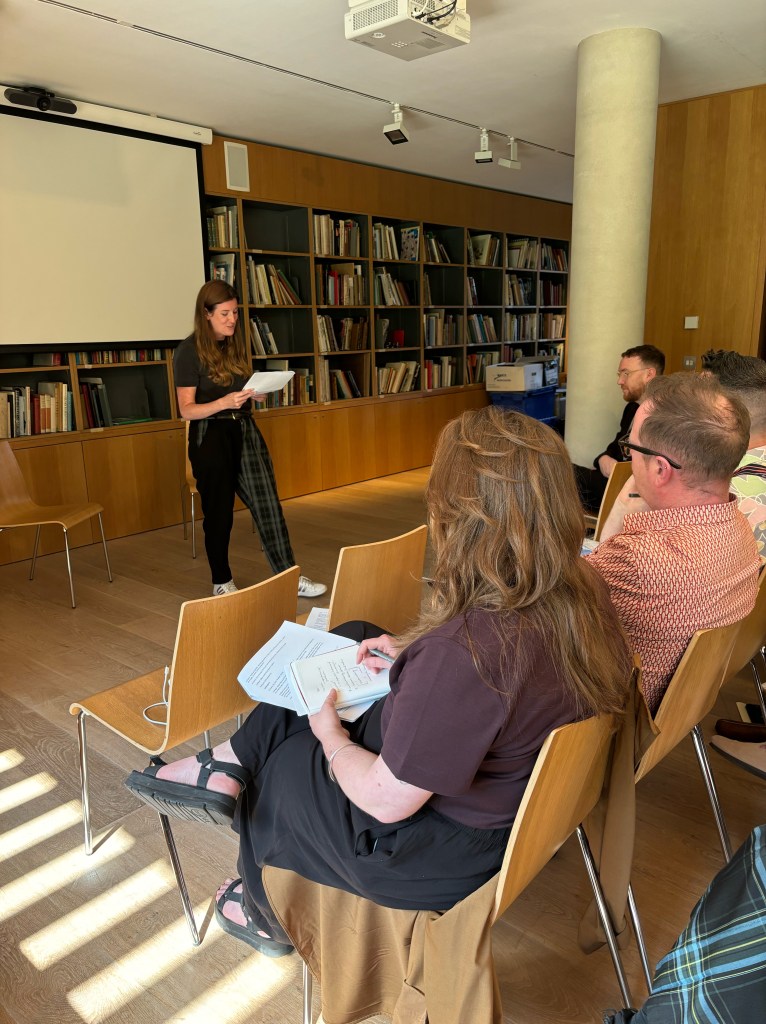
Always drawn to artists who looked at class, she was fascinated with Richard Billingham, particularly his Ray’s a Laugh photographs, and her first solo show was with working-class artist Emilie Taylor. Beth, while working at the Arts Council Collection, admitted to a director of an art gallery that she was interested in social class and art. “I told them I thought it would be interesting to explore this from my background, but they said to me that there is no such thing as a working-class curator.”
Beth initially accepted the statement, but two years later, locked down due to Covid and on furlough, she realised that statement wasn’t true. “All of a sudden, looking at all these bits of work I’d been collecting, I had time to formulate it and just tried to find as much research as I could. I borrowed a JSTOR (a digital library of academic journals, books, and primary sources) login from a friend, and just searched through as many journal articles as I could. I’m interested in modern and contemporary art, although primarily contemporary art and class – and this was one of my first thoughts – your class must affect the art you make, the visuals and the aesthetics.”
At the same time, she found concrete data in the book Culture is Bad for You, which proved to Beth that the arts sector really is structured against people from working-class backgrounds.
“It draws on people that have generational wealth, in order to just exist over a breadth of time in an industry. We see the persistence of artists in the creative field as a validating factor: they must be great, because they’ve managed to stick around for years. And people with generational wealth and sufficient quantities of capital are able to stay much, much longer.” Beth doesn’t discredit any of the artists from affluent backgrounds, but highlights the huge disadvantages and discrepancies that working-class artists face, day after day, year after year, decade after decade. “We’ve lost a lot of incredible creative potential, purely due to the fact that the sector is not set up to give people the time to develop their creative practice.”
Beth applied to the British Art Network and spoke to the Museum as Muck and the Working Class Creatives Database to work in solidarity with them. Subsequently, she established the Working Class British Art Network to create a research network that complimented their activities. Through sessions with creatives, she also realised that some artists didn’t know if they were working class anymore and that there was a lot of confusion about defining the term and status of working class.
“We use the government matrix around social class, and we know that lots of people have different journeys, and different levels of capital, cultural, economic, and social. Therefore we just say ‘origin’, and acknowledge the fact that class is really complicated, and it’s especially complicated for an artist. They will have high levels of cultural capital, they might have higher levels of social capital, it depends how they’re finding the art world. But, if they’re from a working-class background, they’re almost always going to have a low level of economic capital, even when they’ve got incredible consecration markers. Even a Turner Prize winner, or someone with similar accolades, may still be living from paycheque to paycheque.”
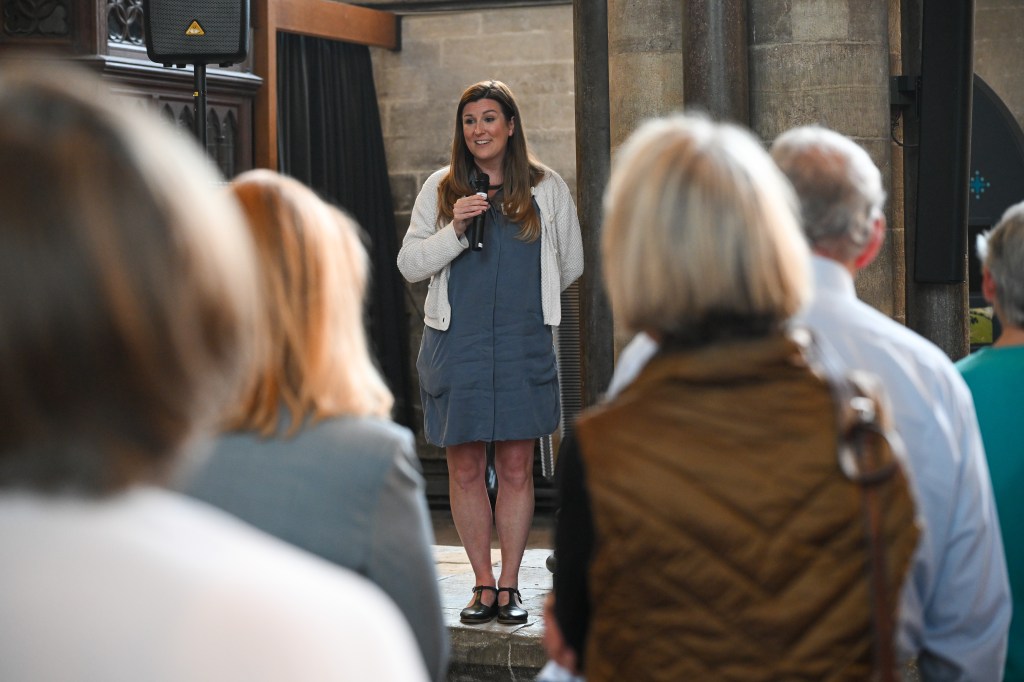
Beth’s solution to the biggest challenge facing working-class artists is as is ingenious. “At the moment, it’s a trickle-down system, where artists are at the bottom of the pile. They get the last bit of the trickle, when it comes to the financial construction of our sector. Yet, every statement of every publicly funded art gallery in this country will say that we have art at our centre, we are here for art and artists. Linguistically, there is an imperative that we’re all revolving around art and artists. Financially, however, that doesn’t marry up. So imagine a world where the government funds artists first, and then it’s artists who trickle that money down to institutions! In my experience, artists are the most frugal, because they often have to be. And I’m talking about artists across class backgrounds here, because a lot of my research shows that it’s really, really hard for working-class artists, it’s still really hard for middle-class artists. So, I would turn that system upside down, so artists are supported first, and institutions second.”
“The amount of wasted money that you see in big institutions is crazy. If you gave that money to an artist, you’d have a whole new body of work. I think there is just this feeling across the sector that we don’t have a government that’s really supporting the arts, or that sees them as valuable. And as a result, there are a lot of artists at the moment that feel really precarious. You can feel secure for a moment. But then you’re only really one or two steps away from not being able to pay your next set of monthly bills.”
IMAGE
Without working-class art, we’re just telling one part of the story and most people won’t see themselves recognised, Beth tells me. “It’s this feeling that my culture is being validated. Of course, I can look at paintings of big stately homes. But there’s always a distance. You always look at it as this kind of element of grandeur that is not you. However, to see yourself reflected in the culture that your institution is valorising gives you that sense of ‘I belong here.’”
Beth connects this to the recent debate about patriotism. “It’s partly fuelled by a feeling among some people that the country has changed in ways they struggle to relate to or understand, which can sometimes manifest in hostility towards others. To some extent, it’s also connected to a longer history of working-class culture and identity feeling overlooked or undervalued.”
I ask Beth what each of us can do to improve visibility and show support for working-class artists. It starts, she says , with submerging yourself into working-class art and making important, conscious choices which include working-class artists. “If you’re in the Tate and want to buy a postcard or souvenir, buy one from a working-class artist. Make working-class artists or their art part of your conversation when you’re talking to your friends. Be really mindful about what culture you’re consuming, and what’s contributing towards that. Find cultural practitioners who are from a wider variety of social backgrounds, and engage actively and cognitively with their art. Those are all things that can help shift our cultural landscape.”
She also tells me that our political landscape has to change: “Finally, think about who you vote for, and who they actually support. Find out who funds them, and how their decisions will impact working-class people and artists. To paraphrase Irvine Welsh: ‘When you’re not doing so well, vote for a better life for yourself. If you are doing quite nicely, vote for a better life for others’.”
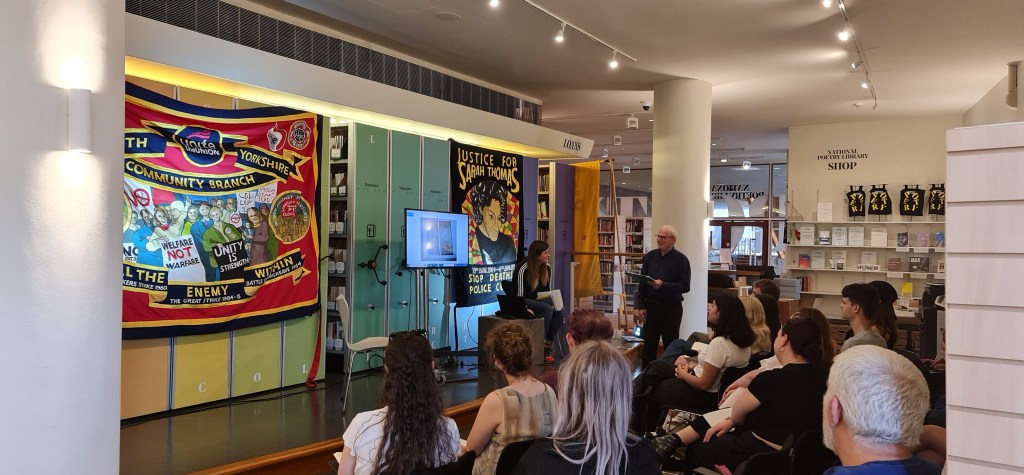
Beth’s fight for the working-class artist continues, as part of her work as a curator and by studying for a PhD. Her findings to date paint a daunting image of past, present and future loss of incredible working-class art if we don’t change: “These are the artists we know about and who I can talk to. I’m using their stories as ‘stand-ins’ for the stories of those artists we’ll never hear from because their work never got seen or heard. But now they’re in another place, in another sector, working in another way. And we’ve missed out collectively and culturally by not having their artistic voice contributing to our national conversations around art.”