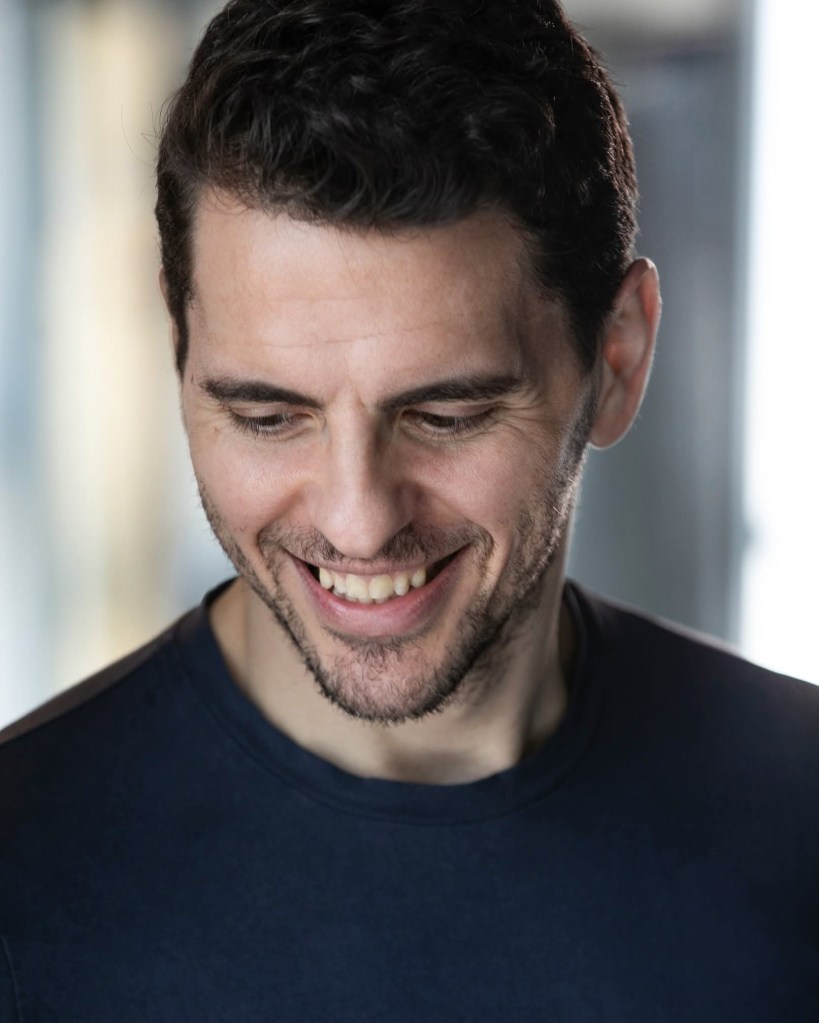
He came from Modena to London choosing another language to belong. For Months He held the weight of an entire West End role in his body, unseen. Now, as Jersey Boys prepares to take him across the country, something unexpected is breaking open in him.
The beauty of writing is discovery. Your own, or someone else’s. And when you find the magic in the one sitting opposite, when you watch their face change in an instant of unguarded surprise, you have found them.
Fed Zanni looked at me like that. In the middle of an interview that resembled a looking-glass.
Following our conversation, he replied by voice note. An apology first: he is out and it’s noisy. He hopes I can hear him.
Then, before anything else: “You made me think about things. You made things clearer for me.”
He does not know what he is admitting. That the mirror has been held up. That he has seen something in it he hasn’t, as yet, perceived.
Let me explain how I know.
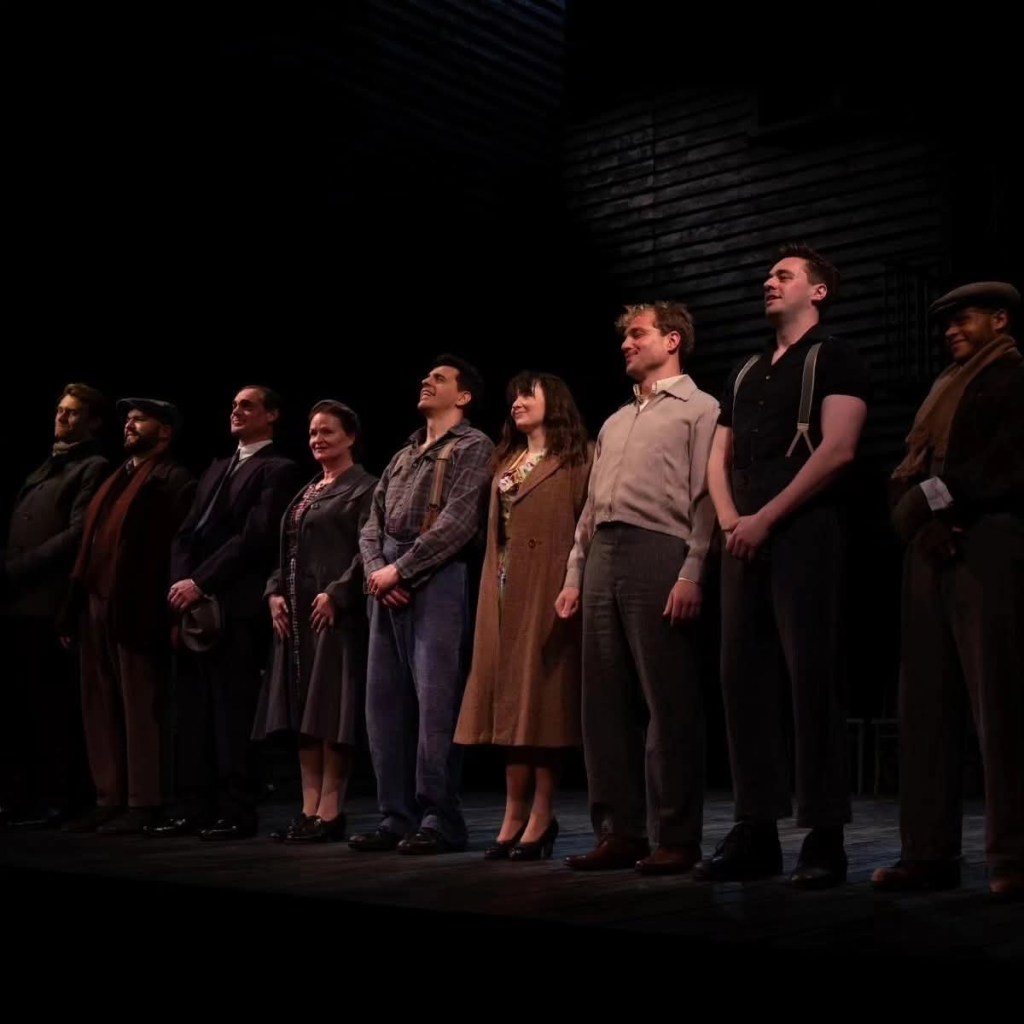
He will tell you, without hesitation or self-pity, the legitimate truth. If he had ever gone on. He never did. But I ask him directly.
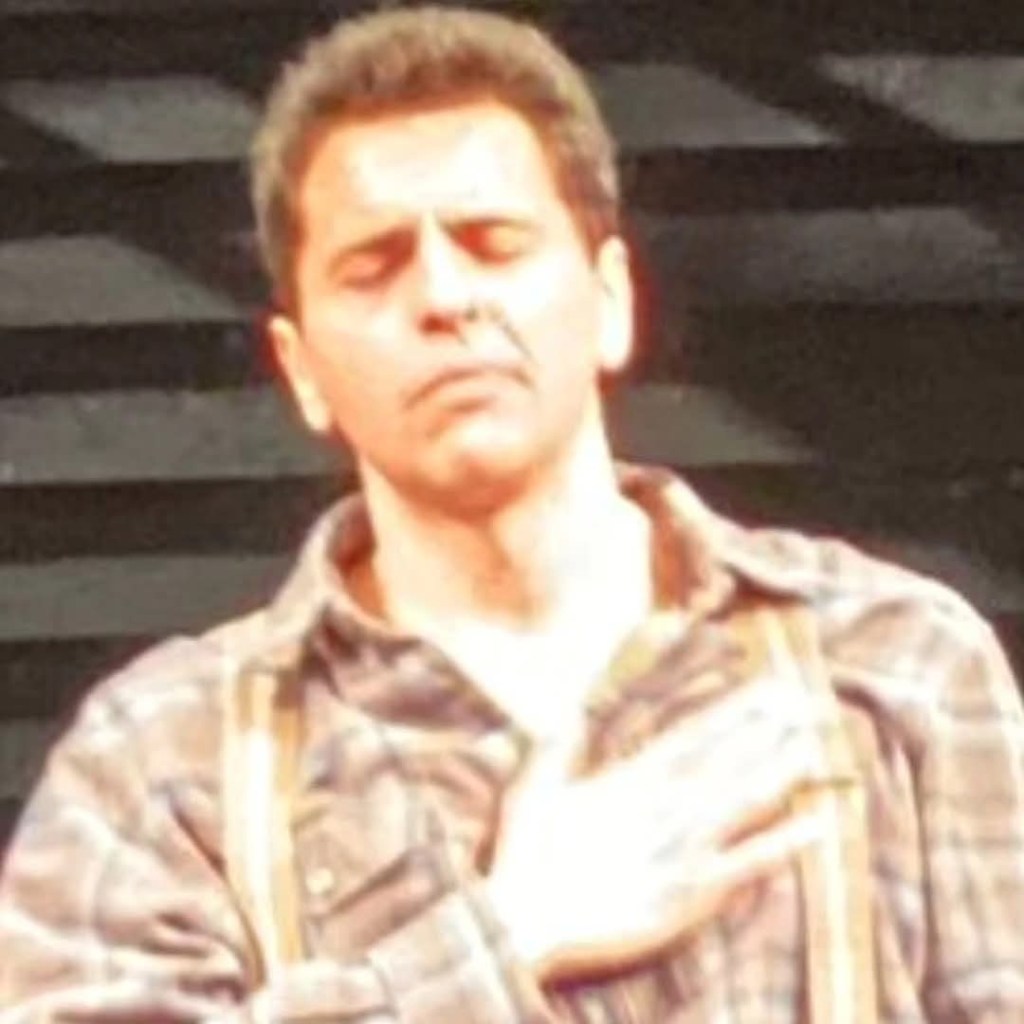
He is talking about A View from the Bridge, Arthur Miller’s devastating study of Eddie Carbone, an Italian-American longshoreman in Brooklyn, a man caught between the world he left and the one that unmade him, destroyed by what he cannot bring himself to say. He understudied Dominic West at the Haymarket Theatre, in the West End, throughout the run. There was a cover-run. One hundred and fifty people came to watch it. But the call to replace West in front of a paying audience never came. He says it plainly: they came to see West. Not him. Some people, he understands, come for the name alone.
I want to stop him there.
Because what he has just described, with complete unconscious humility, is something most performers would struggle to say without bitterness. To step into the shoes of a well-known, highly respected actor — to carry that expectation, night after night — is not a diminishment. It is its own kind of pressure. Its own kind of test. It is still your career.
To be an understudy is not a consolation. Thousands audition for the privilege of holding a role in the body night after night in absolute readiness. This is the most committed form of art there is.
Fed does not see this. His undeniable grace.

So we return to Modena, Northern Italy, where he was born. His gaze fixed outwards.
China. Japan. He wanted to be a translator. Languages which bore no resemblance to his own. But this was never mere curiosity. Such wilfulness for the unknown. The boy who looked beyond was always the boy who could not yet look inwards.
The piano confirmed it. Nine years of playing, from the age of five until fourteen. Then he stopped. Stage fright. Horrific, he says without hesitation. Undoubtedly. The piano offers nowhere to hide. Only you, the keys, and the sound of every mistake in an unforgiving room. There is no role to inhabit. No ulterior life to step inside. Only yourself, bare.
Then came the school show. Performed in English. A language not yet fully his. And the fear, that same terror that had ended the piano, did not come.
He has never fully explained this. Perhaps he cannot. But I can.
The stage offered what the piano never could: the possibility of becoming someone else. To adapt, improvise, transform. In English, another voice entirely, he was freer still. Less watched. Less scrutinised. A character, chosen, portrayed, existing on his own terms.
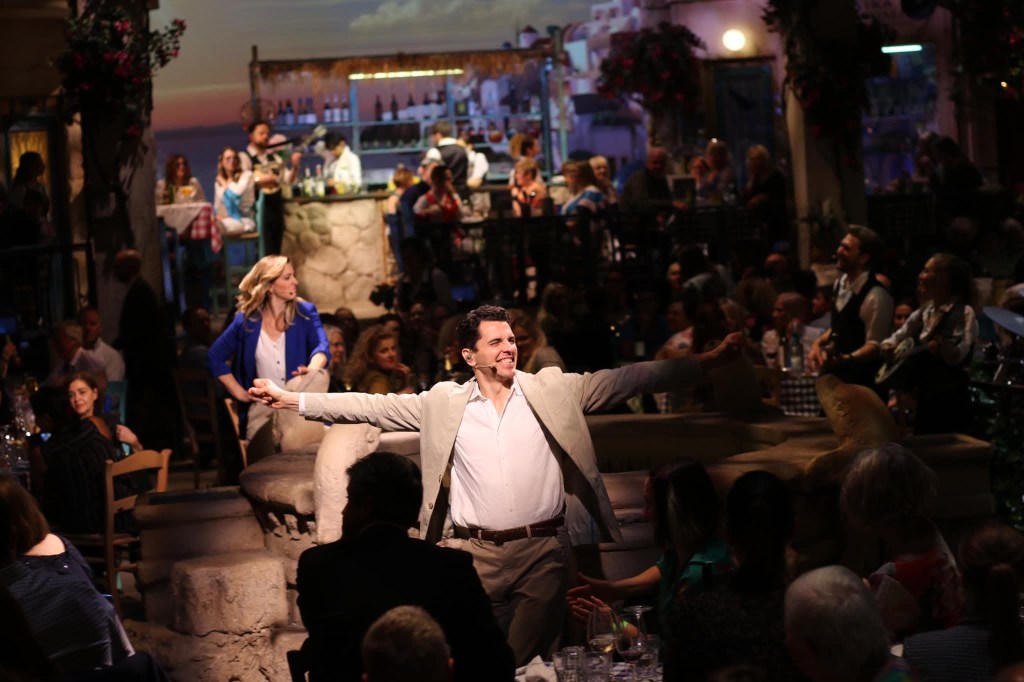
ArtsEd, London’s celebrated school for the performing arts, came to Milan. The first and only time they ever did. He auditioned and was offered a place.
He left for London. It is impossible to know, at the moment we make a vital decision, what we will have to surrender.
We have all done it. Most of us are just not brave enough to say it.
To become someone else, to erase what makes us different and to suppress the trait in us which ignorance will not recognise, is to call denial progress.
Fed made a decision. In England, he would speak English. Develop it, breathe it, build a self inside it. Because to lean on the Italian, to let the accent, the rhythms, the otherness show, was to remain labelled. He wanted to be on a par with his peers. He wanted to obliterate that tension. And so he resolved — in the most private and deliberate way a person can choose anything — to build himself anew in another language.
It took a decade.
What that decade left was this: a language frozen at the point of departure. His Italian is now the Italian of the 1990s. When he returns home, for the first few days the words resist him. People look at him. “What’s happened to Fed?” The language returns eventually — but as it was. Years of evolution, passed without him. A ghost language. His first tongue, held in red.
We receive, eventually, what we initially turned away.
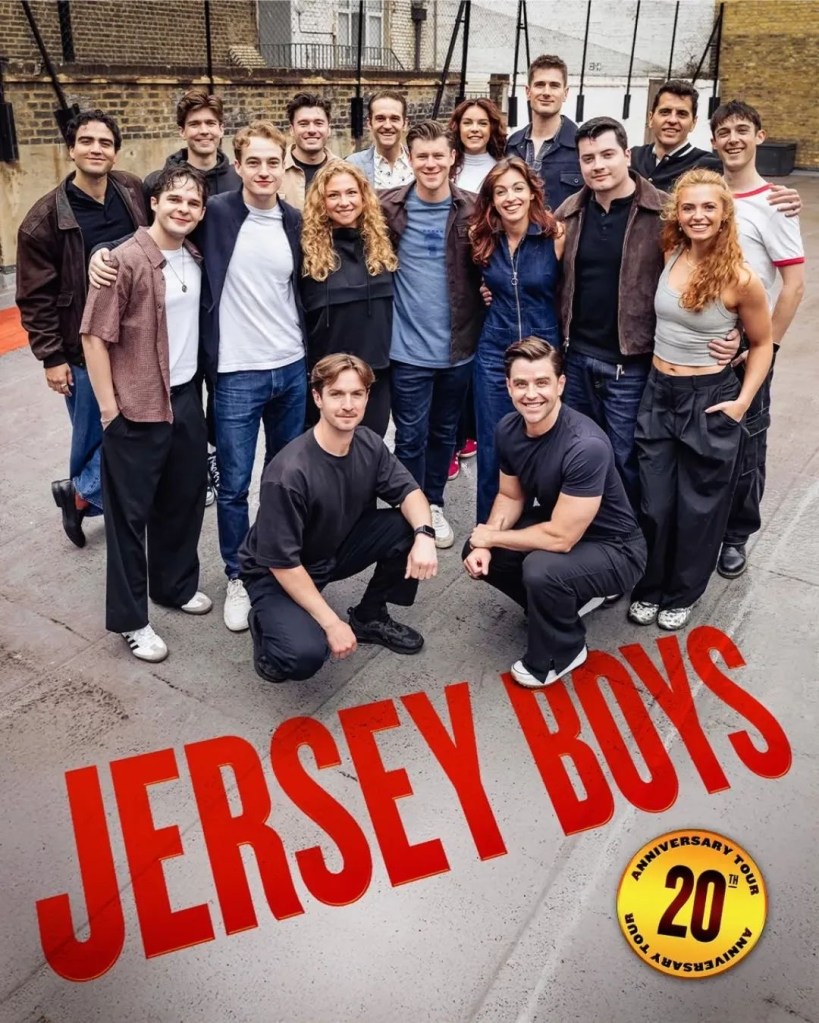
Eddie Carbone. A View from the Bridge. A man caught between birthright and the country he bade farewell to. Gyp DeCarlo. Jersey Boys. Italian mob boss, entangled in the story of Frankie Valli and the Four Seasons, four Italian-American boys from New Jersey who turned sheer will and talent into stardom. A national tour that begins in six weeks.
The man who spent a decade erasing every trace of Italy from his voice. And the roles that found him anyway.
I see the irony. So does he — with a mystical smile.
“The two have integrated,” he says. “There is a balance now. Between who I was, my Italian persona, and who I am.”
Indeed. So, I named it for him.
It was like seeing the sun on the bluest day. Like unearthing something long sought-after.
“You always seem to be near the main role,” I said. “Never quite there. On the threshold. Waiting.”
His face. Complete bemusement. Looking at me. Looking at himself.
How did she know? Is it true? Is that me?
Yes. It is.
I wasn’t the first. At least, not purposely. Sometimes, and only if you are fortunate, you may encounter one individual who steps onto your path and changes everything.
That was Emma. Her instinct bent the fates in his favour.
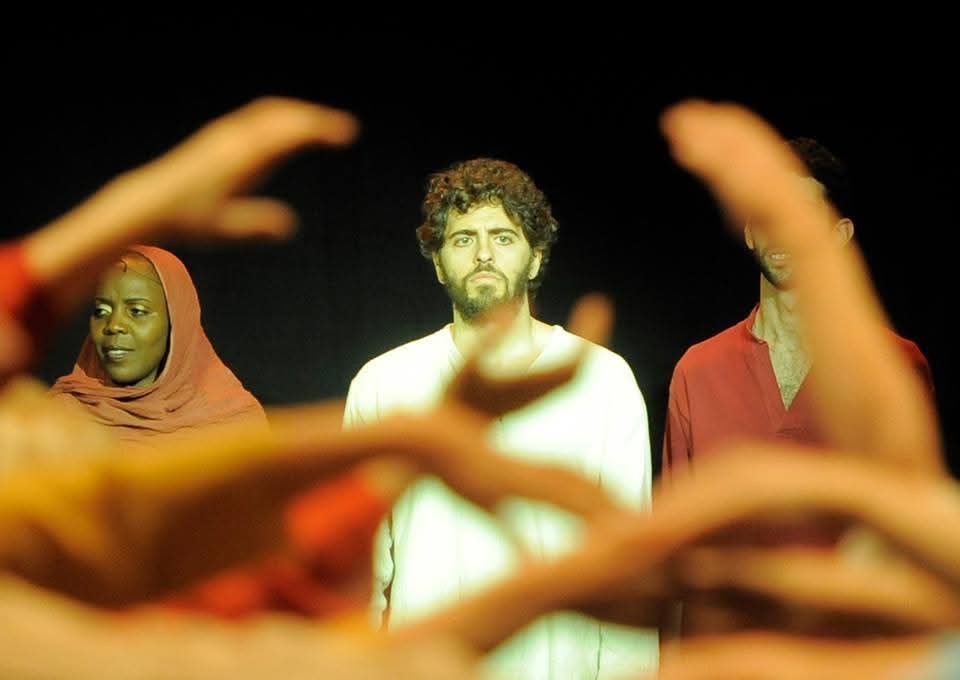
He did not seek her out. He fell into her orbit the way the best things happen — sideways, through a connection, which could almost have been preordained. A friend mentioned a production. Jesus Christ Superstar, directed by Emma King-Farlow — director, producer, founder of Shadow Road Productions — in Barnes. He went for Pontius Pilate.
He was mid-song and his voice left him. It was impossible to continue. He confessed with total clarity: “I’m sorry. This is as far as I can go.”
Emma cast him as Jesus.
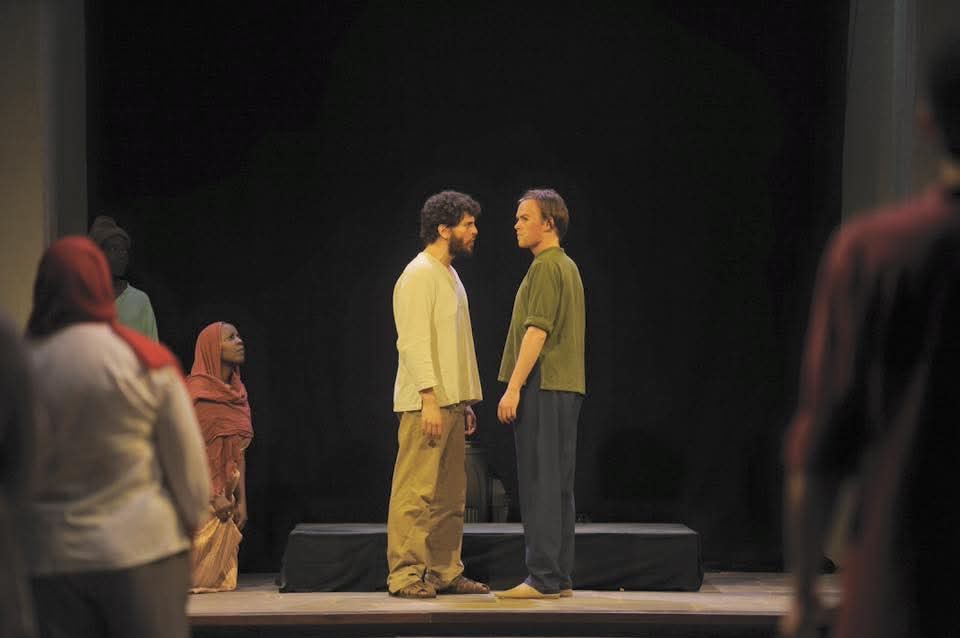
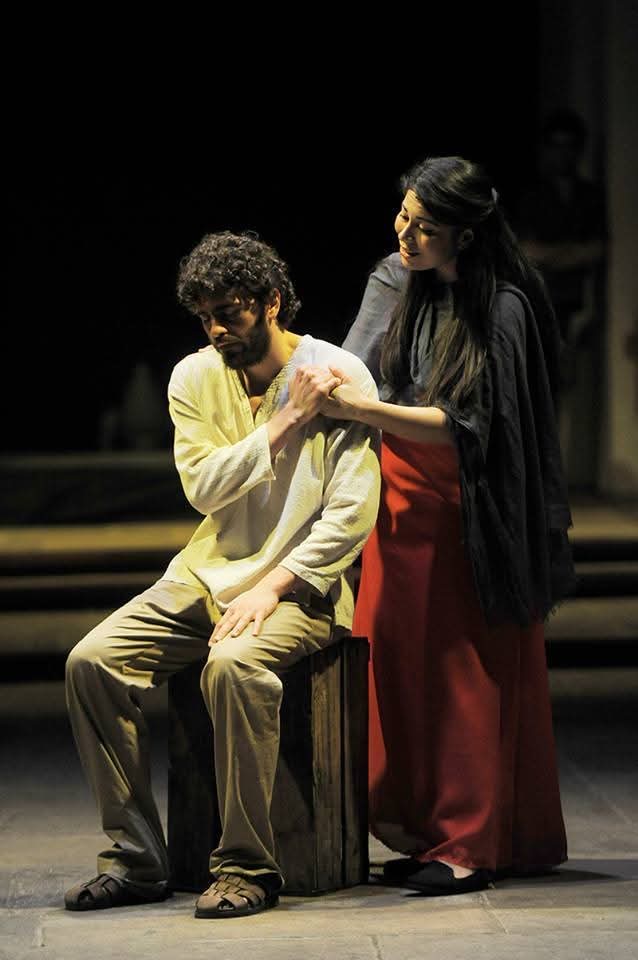
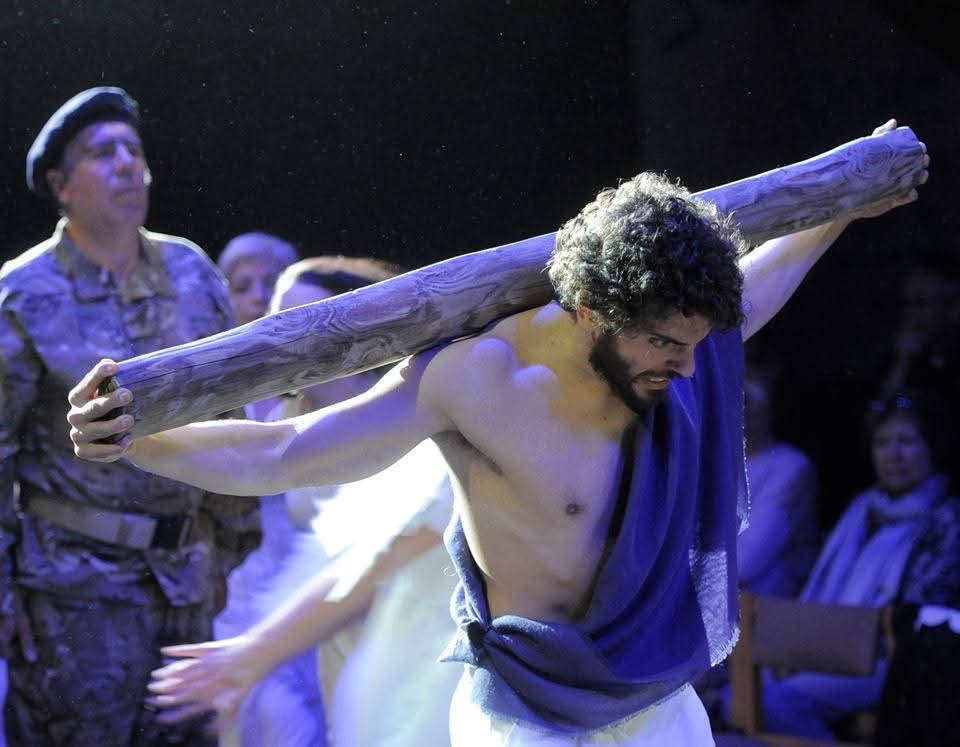
This is what vision looks like manifested. It chooses not the obvious candidate. Not the one who performed to perfection and delivered the expected. The one who stood in the room with nothing left — and revealed, at that precise moment, exactly what he was made of. Emma saw, with extraordinary insight, the glow Fed already possessed. She was not prepared to let a broken note extinguish it.
Her intuition was absolute. For the first time, he began to believe that his passion was not built on far-fetched, unattainable dreams. That it was tangible. That it needed only to be harnessed, and felt.
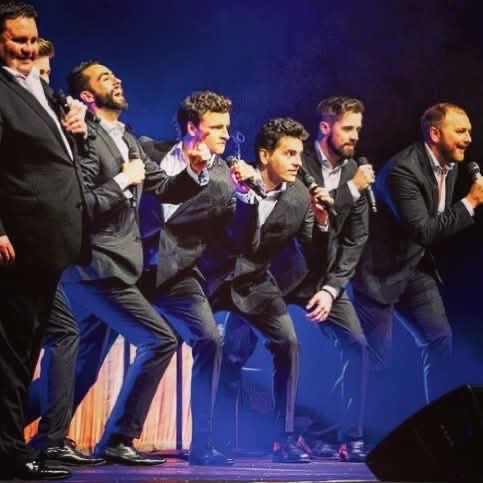
That spontaneous decision set the wheels in motion. When an opportunity arose with The 12 Tenors — a celebrated ensemble, a European touring company — his agent submitted his name. No reply. When the same breakdown came through again, he understood: they hadn’t found who they were looking for.
Yes, he thought. Me.
This is Fed after Emma. The answer to someone else’s search. He emailed the company directly with a self-recorded demo. An audition the same day. The job, more or less, was offered in the room. Ninety-nine shows across Europe in one hundred and twenty days.
That was ten years ago — and the gratitude prevails.
This Saturday he returns. To Barnes. To a small platform. To perform songs from the great musicals for a precious friend who chose to hear the lingering resonance of a voice instead of the silence which ensued.
It is a gesture which renders me emotionally still — and, unbeknown to him, our conversation has revealed a chain of discoveries he cannot yet see in himself.
I ask him: is there anything he has yet to find?
“The biggest discovery I’ve made about myself — and it happened fairly recently — is the writing.”
This is Fed at his most exposed.
The writing is the newest thing in him. The most tender. The most unfinished. He is still inside it. Still becoming it.
He describes it as a ‘flood.’ Six hours in one day, without stopping, words pouring out, insistent, relentless.
HE(althy). A psychological thriller, the title deliberately fractured so that ‘HE’ stands outside the brackets, separate and visible. Born from an Italian feminist slogan Fed could not forget: The violent man is not sick. He is the healthy son of the patriarchy. A series about power wearing the face of health.
The literary momentum is intensifying. In three months, he wrote a feature film. A complete screenplay — sci-fi, satirical, an unflinching examination of what we have surrendered to technology and quietly agreed to call progress. He pitched it. He was told to write it. And he did. A producer is reading it as I write this.
“It is creating stories,” he says, “and then stepping inside them.”
I understand enough now to know where he exists. Creating stories is his writing. Stepping inside them is his performance. There is only one question left to ask. I feel the impulse to return to the artist in him.
What do you wish the audience to feel when they leave after watching you?
“To forget my name.”
Not in the way of failure. In the way of total immersion. If they were so completely inside the story, the character, the world, that they would forget there was a man behind it — that would be the culmination. He adds, quickly, with a laugh: “But then of course I’d love them to find out who I am again. Otherwise work would stop.”
The laugh matters. So does what lives beneath it.
Here is a man who spent a decade making himself invisible in order to belong. Who held a role of devastating complexity in his body, night after night, unseen. Whose deepest artistic ambition is to disappear, to be so fully present that the self dissolves into the ephemeral.
Patience. Determination. The will to continue regardless — they do something truly miraculous to the human soul. An effect ever so subtle. You almost have to hush the noise around you to hear its igniting whisper. Soft. But sure.
What is born from the heart, heard by the soul and materialised by the mind belongs, I believe, to the world.
Not reaching. Staying.