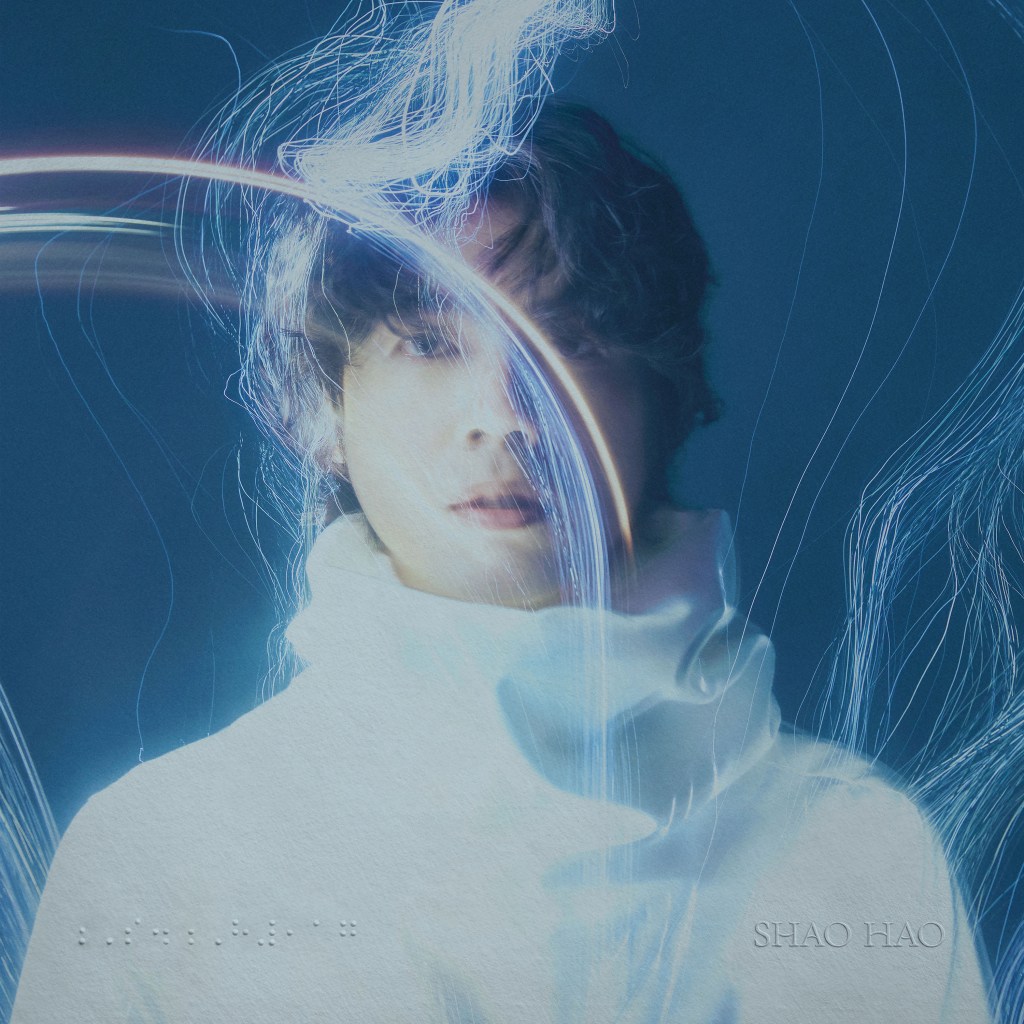
From a teenage immigrant navigating Scotland’s boarding school corridors to a queer, neurodivergent pop visionary redefining belonging — this Chinese-British artist has always been creating his own roads.
“Walking back into St Leonards with a camera crew felt almost surreal, because I wasn’t just visiting a location — I was meeting a younger version of myself,” Shao Hao reflects on the cinematic backdrop for his music video. Where Is My Home? “When I was a student there, I often felt like an outsider. Returning as an artist gave me a sense of closure. It felt like saying to that younger self: you made it through. And now we get to tell the story.”
That story officially arrives today with the release of his debut EP, S.H.17. A five-track masterclass in genre-blending and emotional vulnerability, the record acts as a sonic time capsule dedicated to the lonely teenager standing in the airport, overwhelmed by an entirely new reality. But more than just a retrospective look at a displaced youth, S.H.17 is a vivid manifesto from a Chinese-British, queer, neurodivergent pop visionary who is redefining what it means to belong.
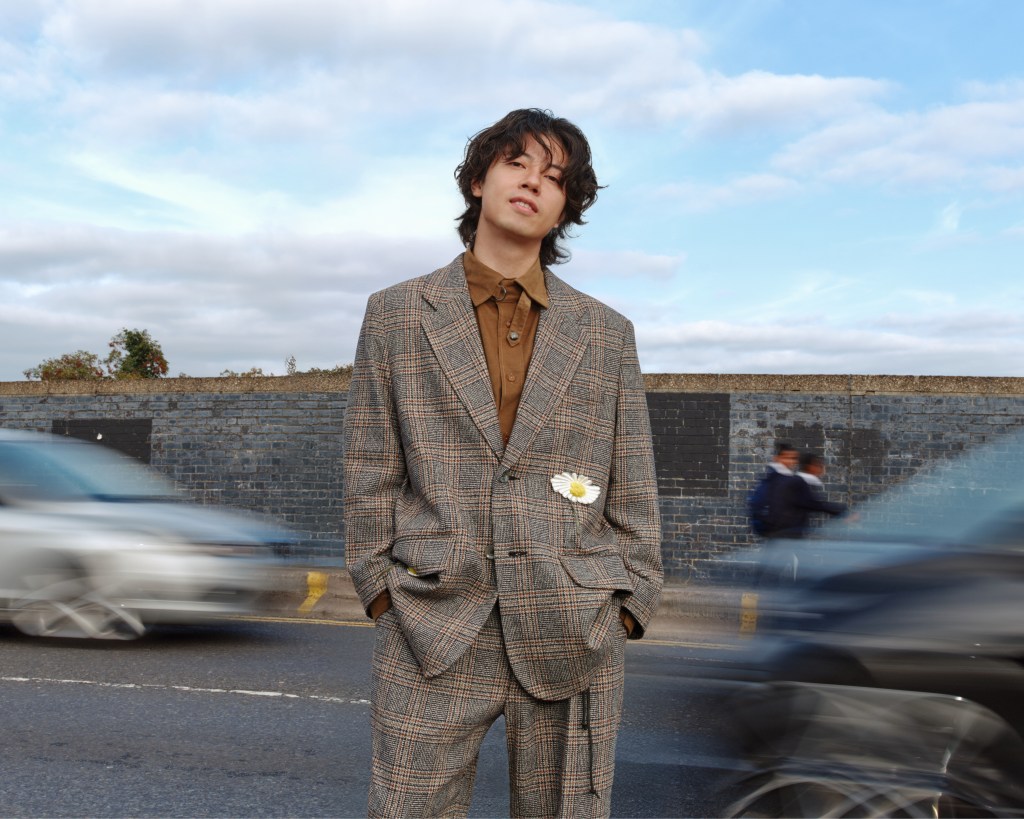
Shao Hao is no stranger to the upper echelons of the music industry. As a resident artist at Camden’s Roundhouse, his early composition work earned him a publishing deal in Taiwan. He quickly became a secret weapon in the East Asian music spheres, crafting hits for iconic legends like the multi-platinum Mandopop singer Angela Zhang and writing the theme song for Singaporean pop icon Stefanie Sun’s massive stadium tour. Having hit No. 1 across China, Malaysia, Singapore, and Taiwan, he even scored a nomination at the Golden Bell Awards—Taiwan’s equivalent to the Emmys.
Yet stepping into the spotlight under his own name required a different kind of bravery. Writing hits for others meant stepping into their worlds; S.H.17 required building his own.
For Shao Hao, that world is intimately tied to his neurodivergence. Where standard pop factories treat songwriting like a geometric exercise, he approaches it as a survival mechanism.
“I think being neurodivergent means I experience emotions and patterns very intensely. In songwriting, that often shows up in the way I obsess over tiny details — one note, one word, one emotional shift in the melody. Sometimes I don’t think of a song as a ‘formula’; I think of it almost like an emotional map.”
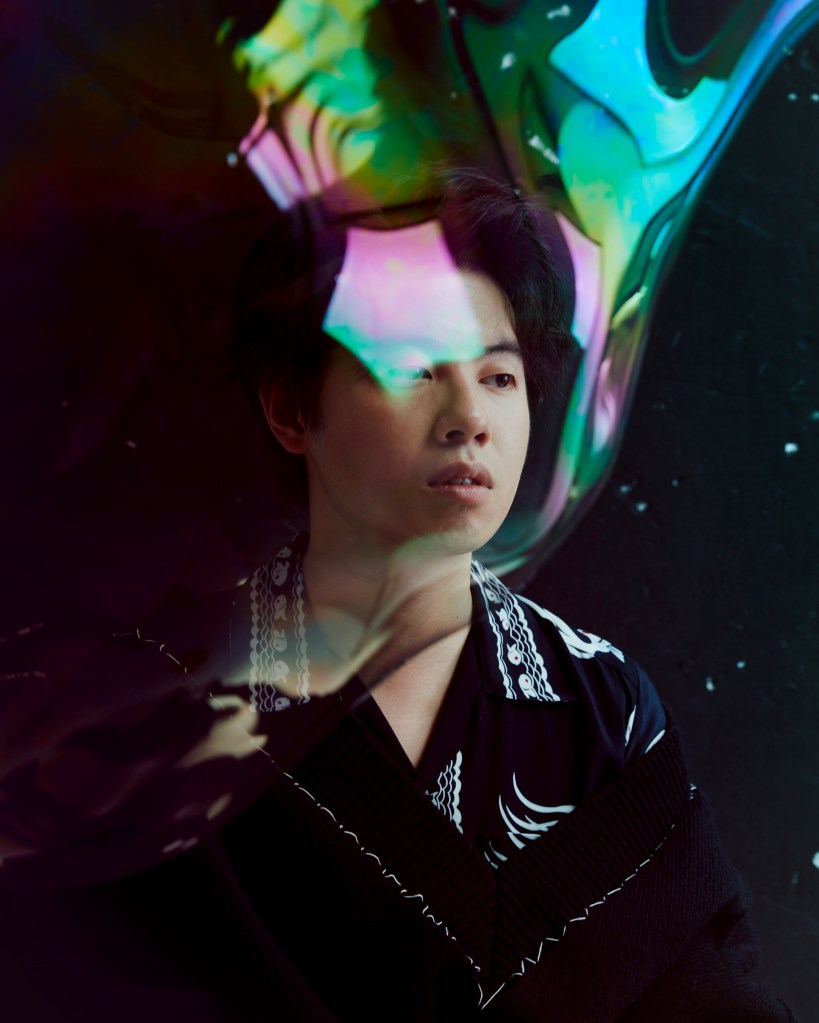
This heightened sensory processing is the engine behind his artistry. “My emotions can feel very big and sometimes difficult to explain in normal conversation,” he explains. “But when I put them into a song, suddenly they have shape. A melody gives the chaos a direction. Lyrics give the feeling a home. For me, songwriting is almost like translating my internal world into something other people can understand.”
Musically, S.H.17 thrives on a captivating cultural friction described as “Brit-pop grit meets K-pop energy”. It’s a sonic collage that mirrors his own lived experience of navigating disparate worlds. Rather than smoothing over the cracks between his identities, Shao Hao allows them to collide freely.
“I try to let them contrast rather than blend too perfectly,” he explains. “London gives me texture — grey skies, old streets, emotional realism, a kind of beautiful roughness. East Asian pop gives me bold colour, precision, heightened emotion, and fantasy. Visually, I like putting something very polished or colourful against something raw. A dramatic outfit in a very ordinary street. A K-pop world with a little British awkwardness.”
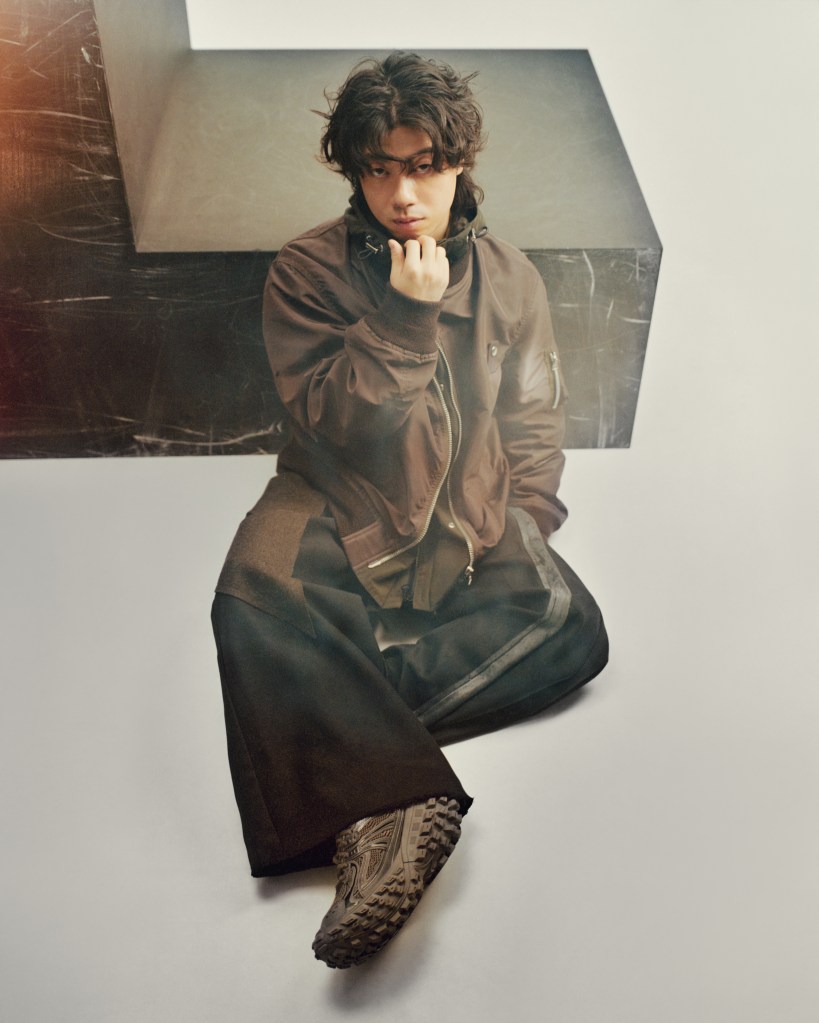
This intentional tension is the heartbeat of tracks like Thursday, a standout single that marries the bright, neon-streaked melodies of K-pop with the bittersweet nostalgia of eighties Brit-pop. The accompanying music video is a maximalist visual styled after a retro television dating show, featuring multiple alter egos played by Shao Hao himself. Far from mere aesthetics, the visual overload is deeply psychological.
“The maximalism is not just for decoration,” he adds. “It reflects the way I process identity as well. There are so many versions of myself living inside me: the shy one, the dramatic one, the romantic one, the confident one, the one who still feels like a teenager trying to be accepted. The video gave all of them a place to exist.”
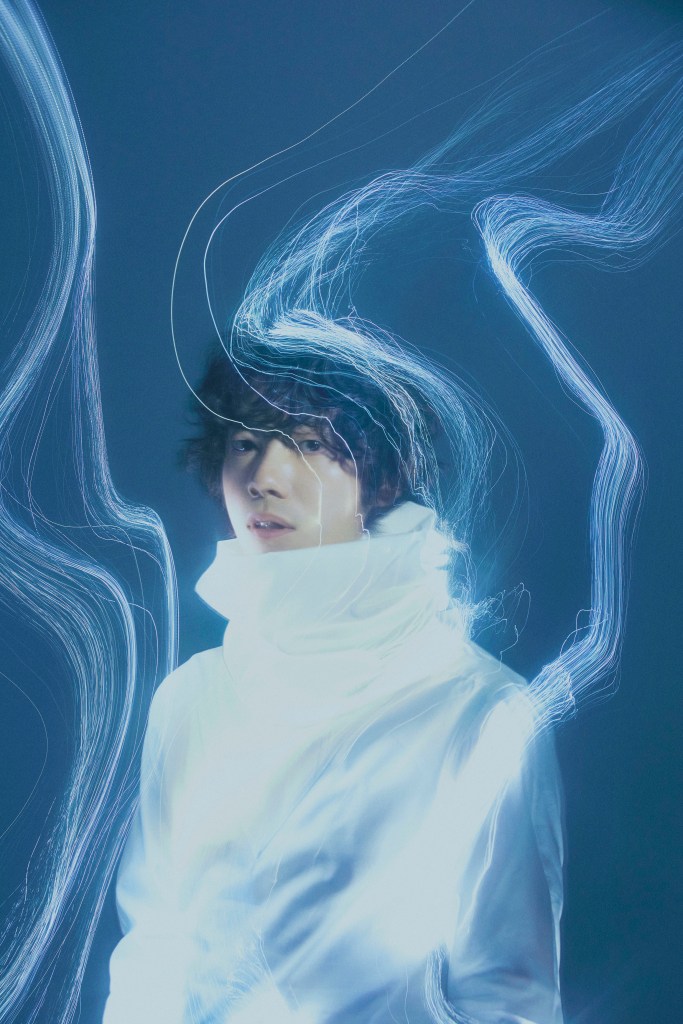
For queer and immigrant communities, the concept of fluidly switching between alter egos resonates deeply. “The alter egos in Thursday are playful, but there is something honest underneath,” Shao Hao shares. “They represent the different versions of myself I’ve performed to be loved, accepted, or understood. I think a lot of queer people and immigrants understand that feeling — becoming slightly different versions of yourself depending on where you are, while still trying to hold onto the real you.”
Moving halfway across the world at 17 forces an artist to observe life through a microscope. Because British culture wasn’t his default setting, Shao Hao developed a deep fascination with the subtle, unspoken rules of UK songwriting.
“I heard the grit, the sarcasm, the melancholy, the poetry in everyday life,” he recalls. “There’s something very British about making sadness sound casual, or making heartbreak sound like you’re just walking home in the rain pretending you’re fine. As an outsider, I didn’t take any of it for granted. I studied it almost like a language — not just the accent or the chords but the emotional restraint underneath it.”
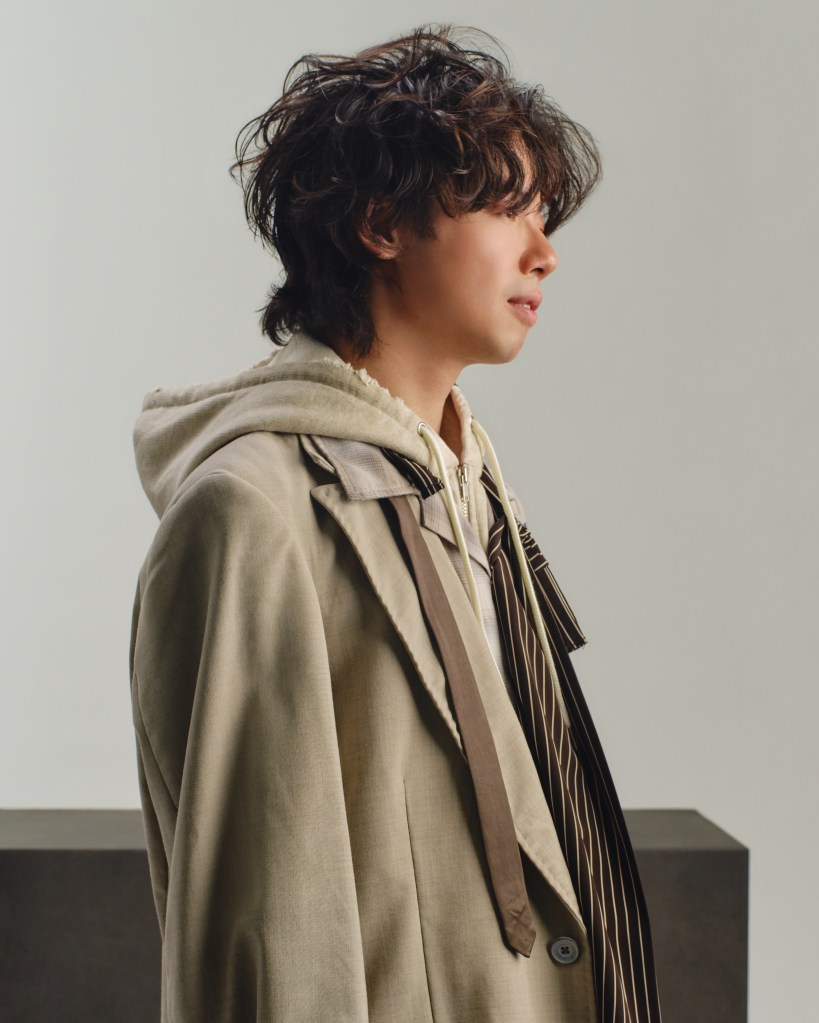
That observational lens was honed by what he calls the “immigrant hustle”. “I think immigrant hustle is not just ambition — it’s survival, gratitude, and pressure all mixed together,” he confesses. “When you move to a new country at 17, you learn very quickly that nothing is guaranteed. You have to work twice as hard to be seen, understood, and taken seriously. Stepping out as Shao Hao in London feels like a different kind of courage. This time, I’m not just proving I can write a hit. I’m proving that my own voice, my own story, my own accent, and my own difference all deserve to be heard too.”
Nowhere is that voice more resonant than on the EP’s emotional centrepiece, Dance In the Dark. Written in the wake of losing a loved one, the track strips away the pop production for a vulnerable, cinematic piano ballad. While other tracks like Heaven Beyond channel the dreamy, lo-fi melancholia of Japanese-Austrilian artist, Joji, and Burning Bright delivers a euphoric, synth-driven conclusion, Dance In the Dark carries the thesis of his entire artistic mission: “I love you as who you are.”
“I didn’t want the song to be only about sadness,” Shao Hao says quietly. “It’s also about loving someone as they are through fear, fragility, and darkness. Thursday is playful on the surface, but underneath it is about wanting to be seen, wanting to be chosen, and still having hope. Only I could sing it with that exact mixture of humour, vulnerability, and loneliness — because it comes from my own experience.”
Perhaps the most remarkable chapter of Shao Hao’s current journey is not happening on massive streaming platforms or in crowded London clubs, but in secondary school gymnasiums. Since early 2025, he has embarked on school tours, performing his material for thousands of teenagers across the country.
When looking out into the crowd, he doesn’t just see fans; he sees ghosts of his former self.
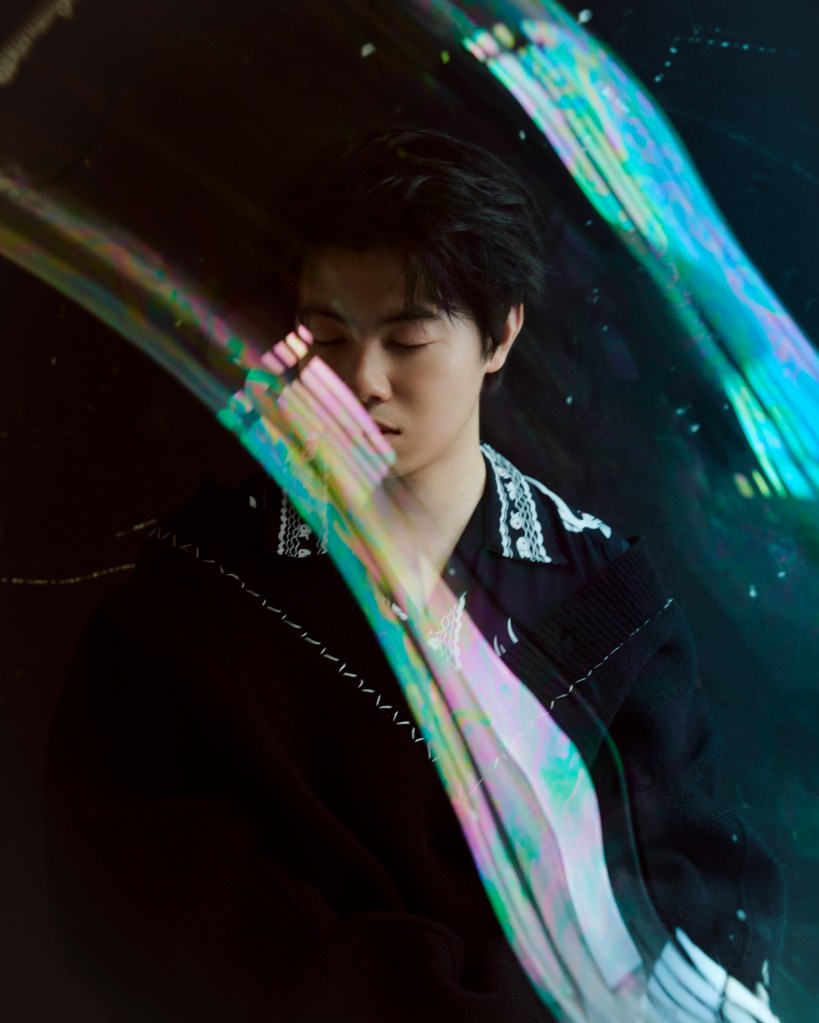
“Sometimes I can see it in their eyes — the student who is quiet, who is trying to disappear a little, who maybe feels too different or too sensitive for the world around them,” he says. “I recognise that feeling because I was that kid. It definitely changes how I perform. I’m not just trying to impress them. I’m trying to reach them. I want the songs to feel like a hand on their shoulder, like someone saying you don’t have to become someone else to be worthy of love.”
Through these performances, Shao Hao has become the exact representation he desperately needed but never saw when he arrived in the UK a decade ago. It is a weight he carries gladly but handles with an insistence on human complexity rather than sanitised tokenism.
“I feel a responsibility to make my work visible in a way that says, ‘We exist, and our stories can be beautiful too. But I also don’t want representation to feel like a burden. I want it to feel joyful, emotional, complex, glamorous, messy, and human. I want young people to see me and think that maybe I don’t have to erase parts of myself to belong.”
If he could send a physical copy of S.H.17 back through time to that terrified 17-year-old boy landing at Heathrow Airport, he knows exactly what track he would play him first: “Where Is My Home?”
“That song carries the central question I had when I arrived in the UK: Where do I belong?” Shao Hao says. “At seventeen, I was physically in a new country, but emotionally I was between worlds. I didn’t know whether home was a place, a person, a language, or something I had to build for myself. Where Is My Home doesn’t give a simple answer, but it tells the boy that the question is a valid one. And sometimes feeling lost is the beginning of finding your own voice.”
S.H.17 is more than just a debut EP; it is a coming-of-age letter to anyone who has ever felt displaced, neurodivergent, or difficult to categorise. In his world, you do not have to choose between the pieces of who you are. You can put them all into a song, turn up the volume, and finally feel whole.As Shao Hao himself puts it so simply: “At its heart, S.H.17 is about turning difference into a home.”