
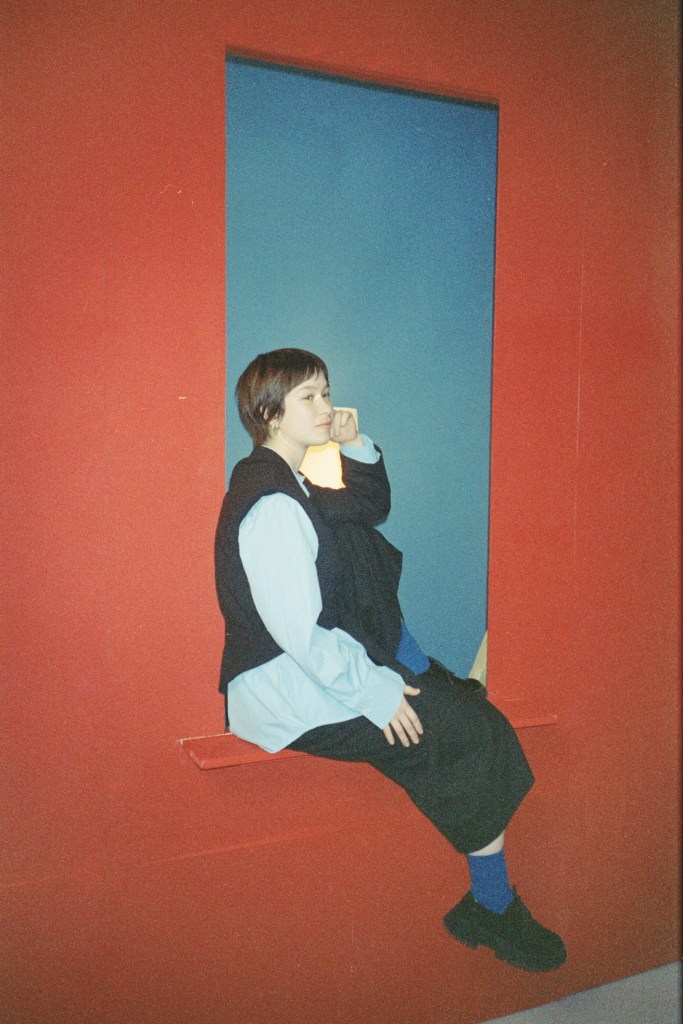
At twenty-five, Dutch-born queer producer, bassist and vocalist, she is preparing to release her debut album Feel At Home this September — a body of work written and produced entirely alone. It is a return to who she lost along the way.
She was verging on twelve when she decided to stop singing. Not because she was persuaded to. Not because the voice had failed her, or she, it. She had merely concluded that others were better, and put it away. That decision cost her nothing she could name at the time. It would take another thirteen years to understand what she had sacrificed.
She was the eldest of her siblings by some distance — nearing a decade separated her from the youngest. She assumed the role of silent carer, no questions asked. Her parents were loving and present; they imposed nothing beyond what any child might reasonably be expected to feel. What ISHA created was of her own doing — a private architecture of responsibility, of not being a burden, of being the one who never asked. “Voicing those struggles,” she reflects, “can still feel like going against that principle.” Putting things away, it turned out, was a practice she had only just begun.
So she found the bass. To be beneath the sound rather than in front of it, to build the foundation others stood on — this required nothing from her that she had not already been rehearsing for years. She was good at it. Exceptionally good. And nobody, when they looked at the bassist, wondered what she had put aside.
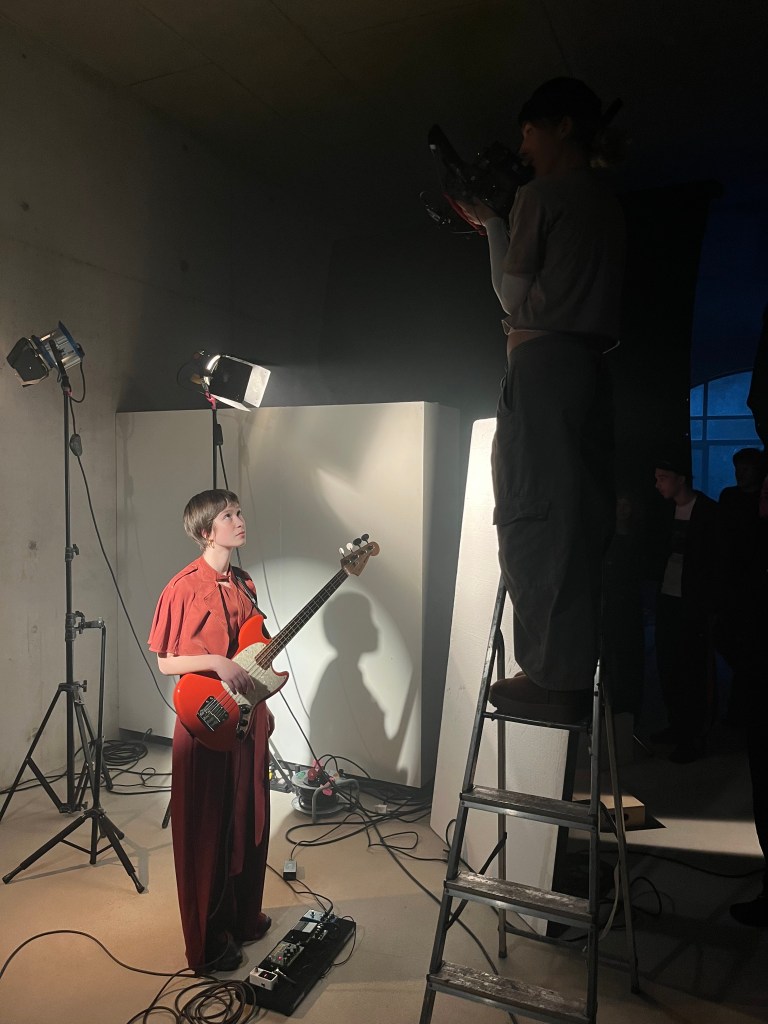
It took another musician to ask the question nobody had thought of. In a session three years before the album, a fellow producer — MAX RAD, her collaborator on the EP What You’re Seeing— stopped and turned to her. “Why don’t you sing?” She told him she couldn’t. He made her try. “It was very simple,” she says. “But it was very freeing.” The initial note, born almost by instinct, had been waiting since childhood.
But the note was not, as yet, a conviction. That would require something far more consequential. In early 2025 she went travelling — to Peru, to the hidden wilderness of Machu Picchu — deliberately, without her instruments. She wanted to know what their absence would reveal, whether she would miss music and what form that longing would take. What came back to her were not sounds. They were words. She carried a notebook and she filled it. Then one night she woke at three in the morning with three lines of lyrics already formed in her head. “I hadn’t realised,” she says, “how much I had to say.” Those three lines became Bottled — the track which will open Feel At Home. “It felt like a year-long process,” she shares, “of trying to move through those feelings. I wanted the overall arc of the record to mirror that journey of letting go and moving towards acceptance.”
She found the transparency she had yearned for. Stripped of every instrument she had ever stood behind, she realised that what she had been keeping inside had never needed the music to survive. It had been patiently waiting for the moment she had nothing left to conceal.
What became of all this was something cathartic — not because of its sound, but because of what it asked her to say. Give Me More, its second single, was the first time she had expressed her sexuality through composition. She already knew she was gay. That was not the revelation. “Among people my age,” she says, “there is less of a feeling that you owe anyone a formal coming out, that you should simply be able to love who you love without having to explain yourself.” She understood. She knew it was something she had been feeling for a while. The song gave it back. “Putting it to music felt more final and intentional,” she adds. “Maybe the extra push I needed for myself and the people around me.”
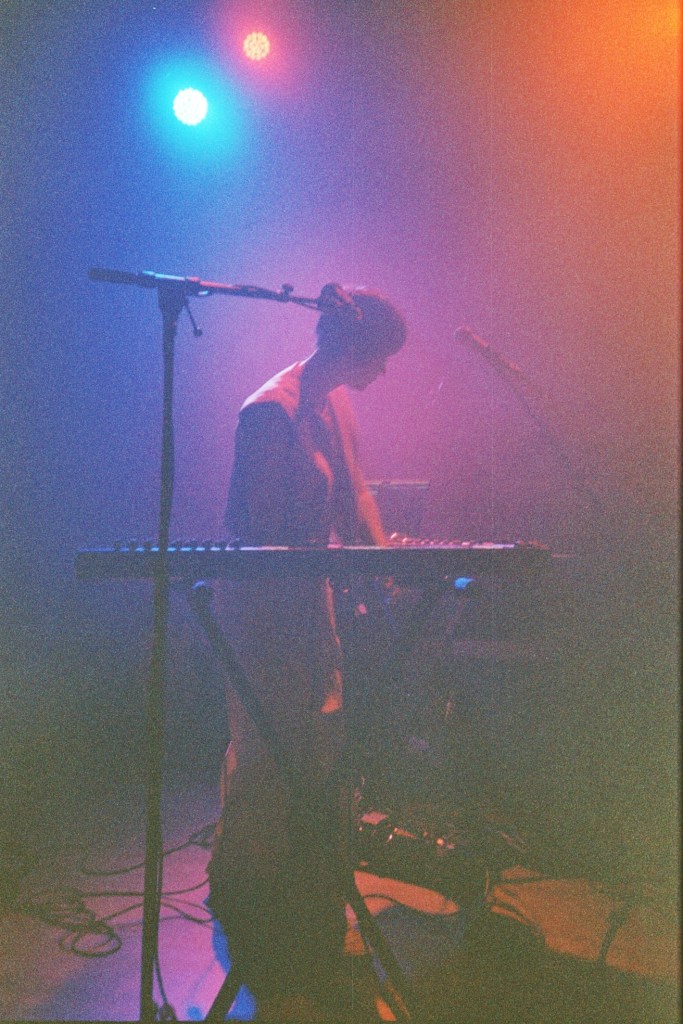
Me and You, the album’s fourth single, arrived from a question ISHA could not answer. Her therapist had asked: “Why don’t you just call them?” The word ‘just’ assumed an ease that did not exist. The song that followed was written to her youngest sister — nearly ten years her junior, still at home in Amsterdam — from the place of someone who had moved not merely to another country but to another self, and found the distance between the two immeasurable. Beneath the inability to call is a voice she names in the lyric. One that tells her she is shameful. It is the oldest voice she knows.
She is learning to calm it. Listen to it. Slowly, with no resistance. “It is also an ongoing battle,” she admits, “with expectations we can place on ourselves.” She has built around her an existence where she is never made to feel too much — her band, her collaborators, her people. “Whether I’m cutting my hair off or growing my armpit hair out,” she says. That freedom is not geography. It is acceptance, and acceptance, when it finally arrives, is its own form of liberation. “The album sits somewhere between finding and searching,” she offers. She is suspended in that in-between — making peace with what was, reaching towards what she is becoming, not yet arrived but no longer aimless.
“I really hope that someday I can show my sister that world too,” she says. “Because I don’t think I had seen enough representation of all kinds of different people at her age.”
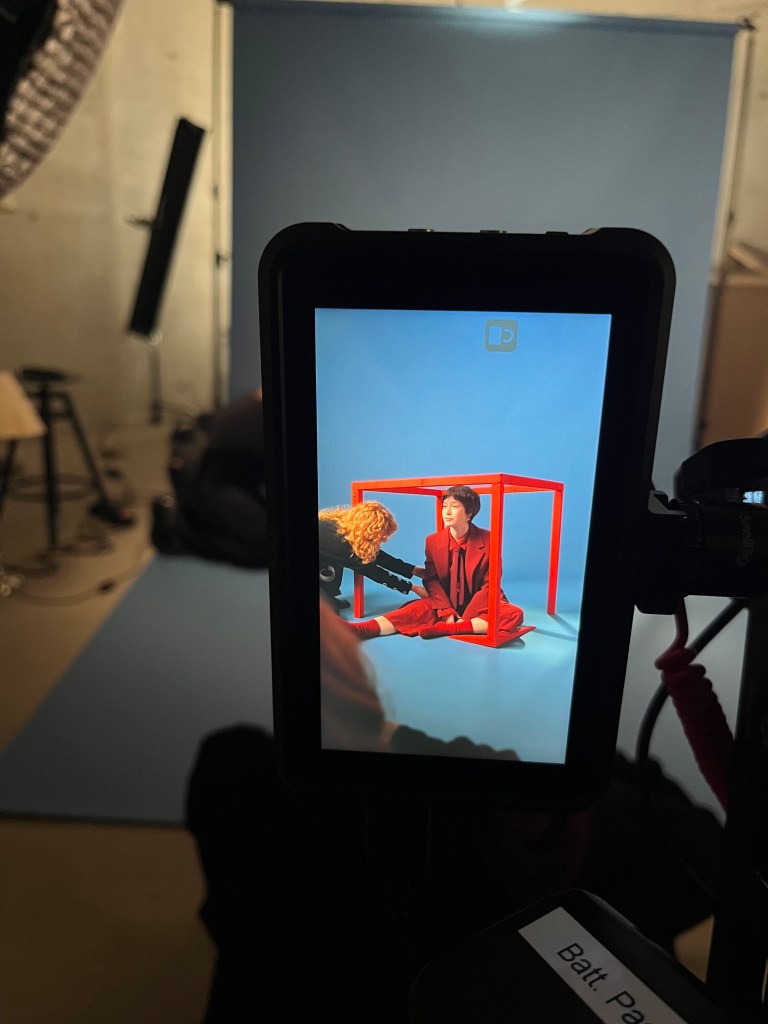
Feel At Home is out in September 2026. “Part of it is also a reminder,” she reflects, “almost a mantra, not to let certain things weigh too heavily. I think we’re all constantly negotiating with what ‘home’ means as we grow and change.”
Its title was never about a place. It was always about the journey back to a self that had been quietly, carefully, persistently set aside. That journey began long before ISHA understood she was on one.
She is still walking it. Fervently.
 neunmagazine.com