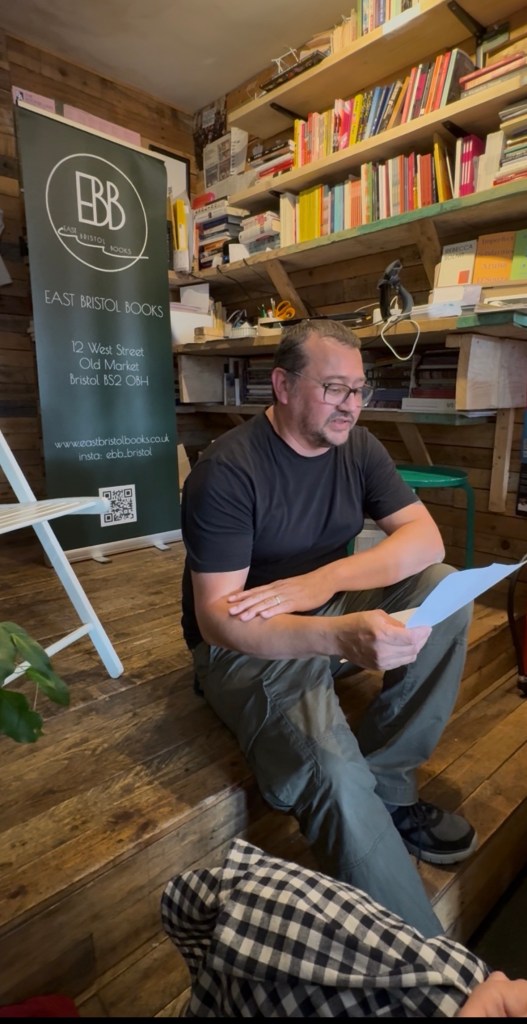
Born in the Bronx, British-American writer John Lugo-Trebble knew from a young age what it means to have nothing. When he worked in publishing, he quickly came to realise that being working class meant nothing to the industry, too. Here he shares his story.
Written by John Lugo-Trebble
Where I grew up, there were two roads out of my neighbourhood: the military or prison. As a lanky, effeminate mama’s boy who hid out in the library so he wouldn’t get picked on, I had to find another way. Art became my refuge from the bankrupted streets of NYC in the early 80’s and 90’s. I began painting and drawing at an early age; writing stories and producing newsletters I sold for 25 cents to family members. My mother was thrilled when I discovered journalism in high school and hoped that this would be my path because in her mind, it was a job. This is the dilemma of the poor kid who wants to create art. How do you create art and still make a living?
The myth of the ‘glamourous bohemian writer’ is simply that; a myth. It is one that continues to lure aspiring writers, it enchants their readers but also gives the publishing industry the upper hand. Publishing houses are never short of manuscripts promising to be the next big thing. Did someone mention Pulitzer? Booker? Yes please. When you look beyond the illusion, you see that the ‘poor writer’ here is more Pulp’s Common People than they are Dickensian. This is not a slight against that writer’s privilege, it is a simple truth: to write and produce art, requires time and space. These are both luxuries for those who are trying to keep the lights on and means that our paths are filled with more obstacles where time is as much a luxury as money is.
Whatever aspirations I had during my last year at university when I began writing my first novel disintegrated after my first couple of years working in publishing. I naively believed that creative industries put creativity first so they were able to take chances.
The reality is that profit guides publishing and that doesn’t just mean a strong manuscript. It means the whole package. Where is this author from? Background? Who do they know? Where have they worked? Which media outlets will they appeal to? How many followers do they have? Does their online presence appeal to a broad consumer base? Jessie J said it best: “It’s all about the money, money, money.”
Once I internalised this, that was it. I didn’t write anything substantial during my five and a half years in publishing. My first novel sat in a box after being rejected. I was deflated not just by how the publishing world operated but also by a lack of diversity (ethnicity, race, socio economic class) within the industry which I saw reflected in publishing lists year after year (and to this day, still do). Eventually, I had to leave the industry to rediscover my creativity.
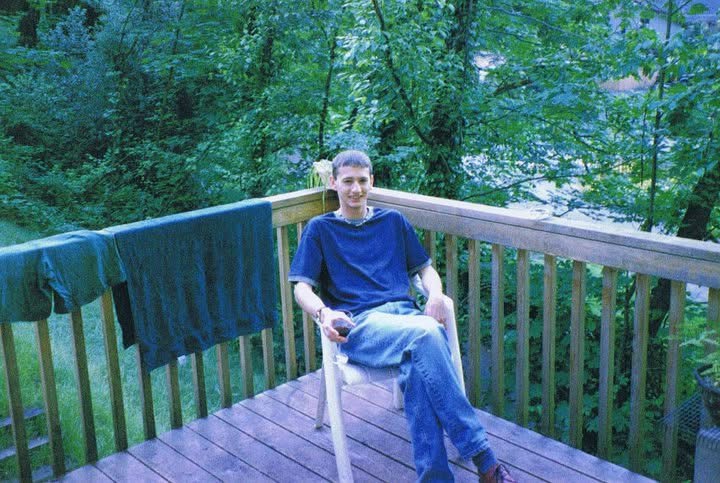
I have always been proud to be known as a queer writer as opposed to a writer who is queer. This is because our stories matter and they need to be told. I write for that person who knows they are different and needs to be seen. This doesn’t often endear me to your middle-class home counties book consumer unless they are interested in 90’s gay youth and left wing politics. As much as I believe that strong writing can break down barriers, you still have to overcome the hurdles of finding an agent, a suitable publisher, and so on. People are spending less on luxuries due to the cost of living crisis and books are considered by too many to be a luxury item. This means that the broader the appeal of you and your manuscript are, the more financially attractive both of you are.
To lay the blame entirely on the industry though is unfair because it is consumer driven as much as it is profit driven. When someone is published by a major house, it lends an air of legitimacy and we all buy into that. This is why there still exists a snobbery towards independently published (self published) books. We like to proudly proclaim that we shop locally and independently. But ask people how many of them have read or would read an independently published book. I can guarantee that before they answer, there will be ‘the face’. This is the face that is somewhere between “eeww” and “really?” It is ‘the face’ that dismisses a work that has not been legitimised by a major publisher. It’s as if they are of lower quality than books published through ‘official’ channels.
Which, of course, couldn’t be further from the truth. I can tell you from my first role in publishing that majorly published books have printing and content errors – more often than not! I used to receive marked up books with angry letters demanding refunds because of all the mistakes they found. In the same sense, a self-published book by an unknown working class writer can be and often is absolutely brilliant! However, by internalising that lack of legitimacy of how a book is published, we allow the industry itself to remain the ultimate gatekeeper of works that ‘make it’.
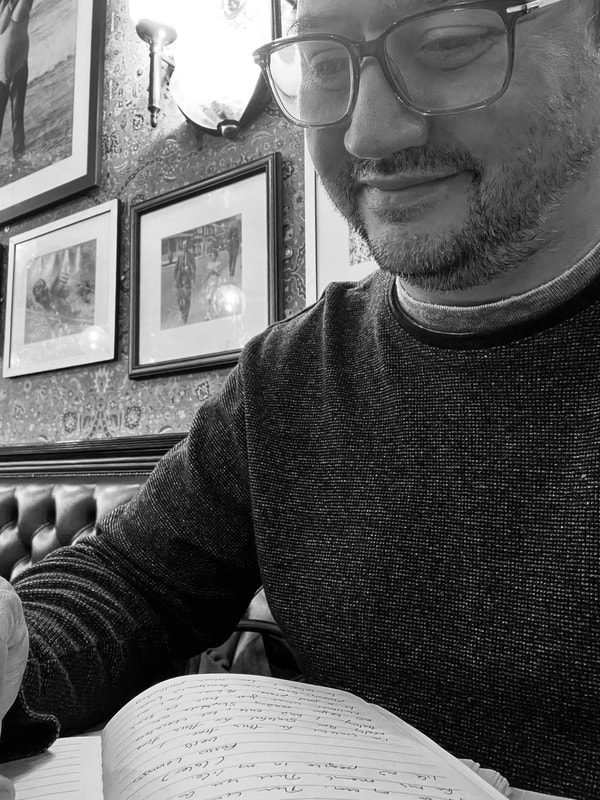
It’s not all doom and gloom though if we remember that as many ways there are to produce art, there exist equally as many ways to be a success. If you can’t make it past the gate, push the gate down or create your own opening. Where you come from and who you went to school with is irrelevant. Work with other creatives who are in similar situations. Publish your book anyway. Your working class story matters.