
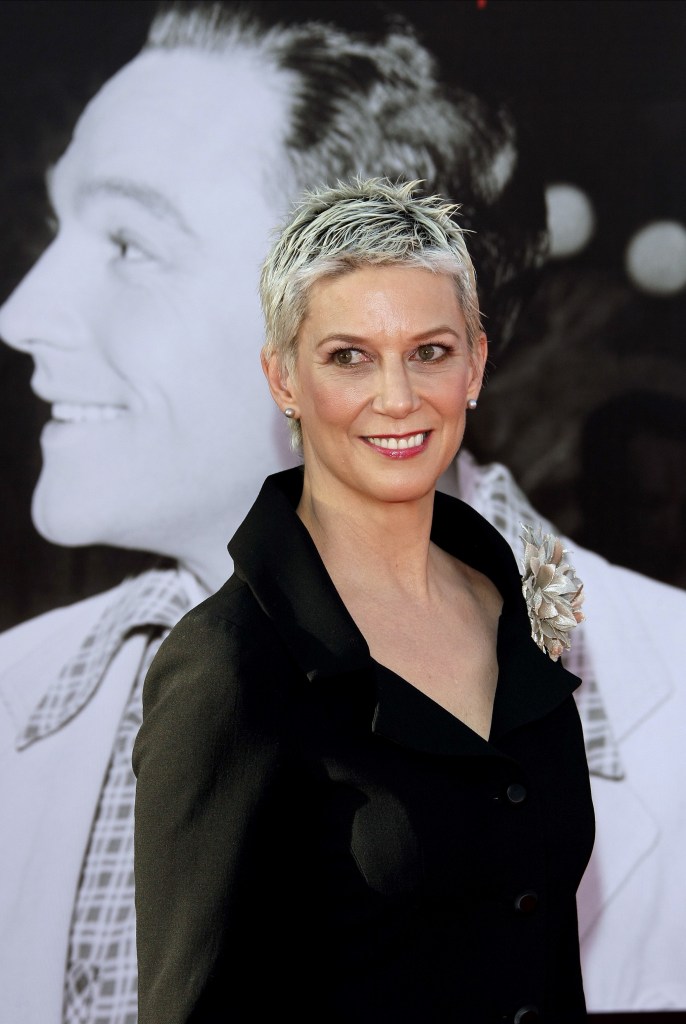
The widow of Gene Kelly, the one person he chose to know him as he truly was, honours this trust without compromise, without limelight. Just devotion.
Patricia Ward Kelly flew to Las Vegas to see a crane.
Not a place she likes, Las Vegas. She said so plainly. The first email she sent after our conversation arrived with an apology: she had barely been home to LA after Glasgow where she had been for Starstruck — the Scottish Ballet’s production of Gene Kelly’s ground-breaking ballet — when she had to fly out again. To see a crane: a one-of-a-kind piece of equipment that Gene Kelly had used in his movies. Patricia had needed to see it.
There are people in this world who carry their love like a daily practice — discreetly, without ceremony, without anyone watching. Patricia is one of them. She is the widow of Gene Kelly — dancer, choreographer, director; the man who spoke a dialect of movement on film no one had heard before and made it feel almost celestial — which, as Patricia will tell you, was never effortless. She holds his creative legacy in trust, and she will tell you, if you ask, that she does not feel she owns any of it. She is the door through which the world may still reach him.
But in Patricia’s hands, it looks like this: a flight across the desert to watch a crane in motion.
Weeks passed. Another note arrived; she was preparing for a Cover Girl 4K interview, the film being re-released, and on a Saturday evening she would drive to El Segundo to introduce a screening at the Old Town Music Hall. Cover Girl, 1944. Gene at the height of his cinematographic invention, dancing with his own reflection in a scene the director didn’t believe was possible but Gene knew, with absolute certainty, that it was. Patricia has seen it more times than she can count. She would now stand before a hushed audience and speak about it to strangers anyway, because Gene is in it.
For Patricia, that has always been reason enough.
Then, on the sixteenth of May, it arrived at last.
Dearest Maria Teresa. Four cats had finally obliged, she wrote — sleeping beside her at her desk in Los Angeles rather than traipsing across the keyboard as she typed. And in that stillness she had sat down and answered everything. Five questions I had sent her and she had walked through each one fully, without vanity, without artifice.
Outside, the city moved. Patricia did not.
In the days around our conversation, I had been writing an essay about desire — about how its expression has shifted across generations, drifting not always in the direction of truth. It touched on Gene. I sent it to Patricia because I thought she would understand it.
She wrote back: Gene would agree with you on all points. He always felt that the suggested was far more compelling than the explicit. You understood that even at the age of nine. I understand now why I felt like we were speaking the same language.
This was not an interview. It had become what it was always going to be — a conversation between the admirer of the legendary genius from afar, and the admirer who got to love the man.
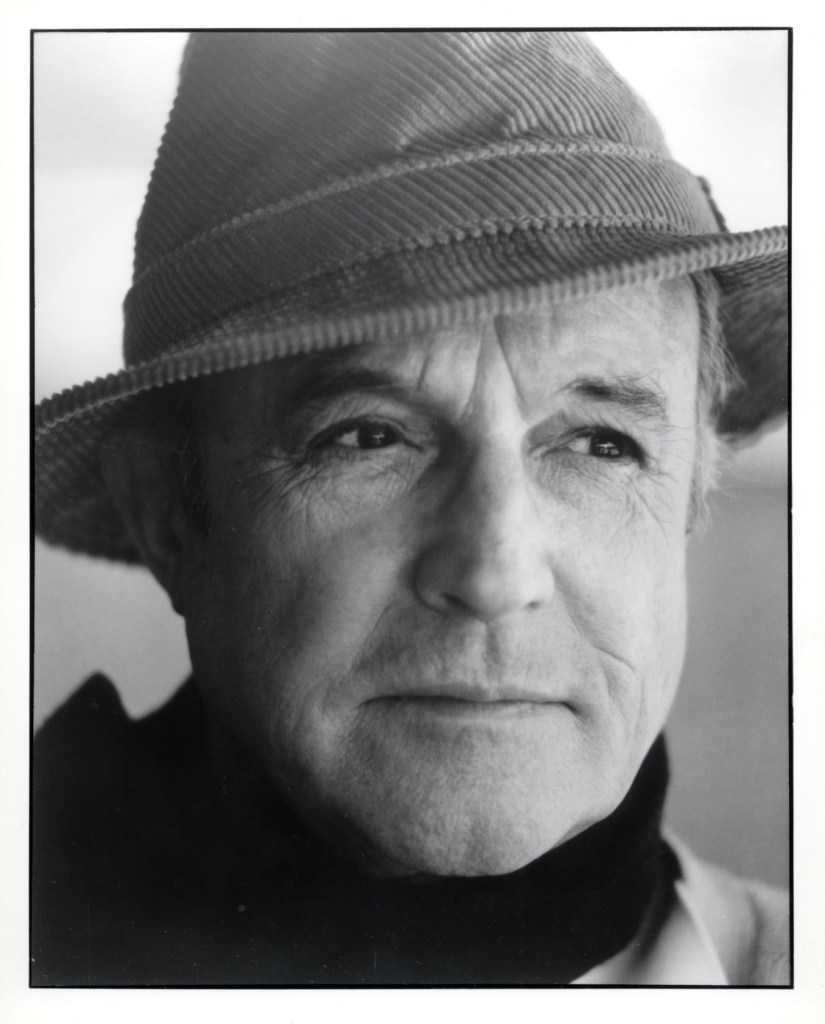
Patricia did not know who Gene Kelly was when she met him.
She was a scholar of American literature — Herman Melville, her particular territory — and she came to Gene without preconception, without the image of him that had settled so permanently into so many people’s hearts before hers. Others had loved the man on the screen and arrived at the man himself already full of something.
She came to assist him in writing his autobiography. She arrived. And never left.
I would have given everything to have known the human being. Not the one people talk about. But his essence — in all its flawed beauty. Patricia knew it. She is, to this day, the only one who did.
Gene Kelly was in his seventh decade when he found her. He had lived fully — at the highest possible register — and had given the world, with great charm and great discipline, a carefully curated version of himself. Late love of this kind is not born from solitude, or want of company. It is recognition. It is only for the ones who have lived enough to know enough.
In Patricia, Gene had found it.
She recorded him. His voice. His memories. The clink of ice in his glass.
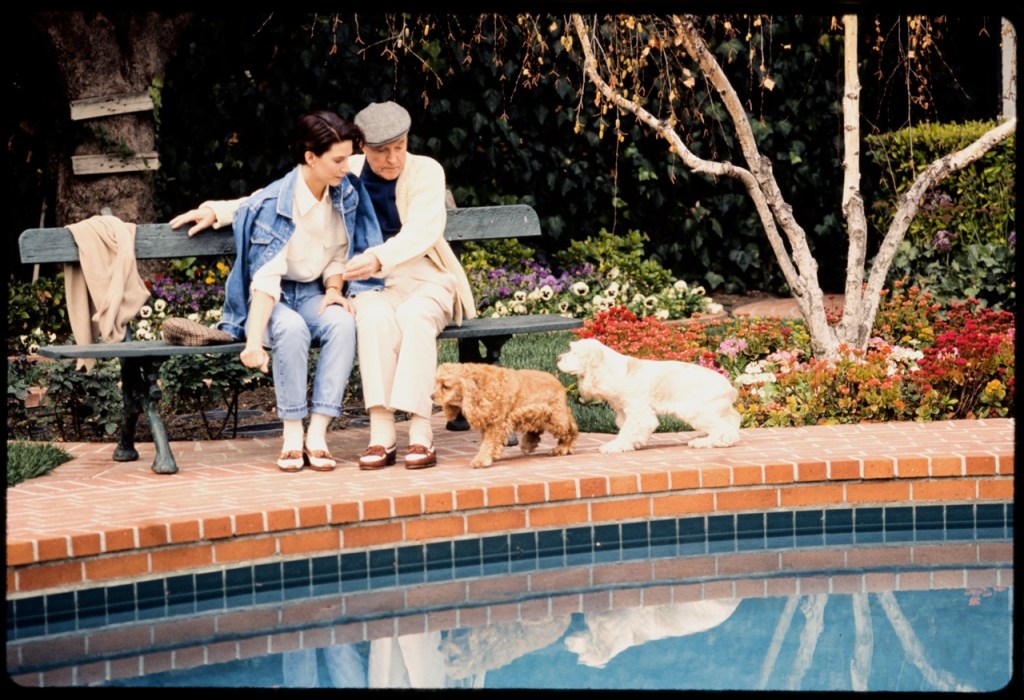
He sat on the sofa and spoke, unhurried, unprotected, to the one person he had chosen, finally, to trust with all of it. Not the version he had offered interviewers across the years, each of whom left believing they had touched something real. He had given them the surface. Gracious, warm, entirely in command of what he chose to show.
He could, Patricia recalls, play Pygmalion. She was an attentive and appreciative Galatea. But this was no simple shaping of the young by the experienced. Something moved in both directions across that living room. The world had always received Gene Kelly with adulation. With reverence. Patricia offered neither. She received him simply as he was — and into that space, for the first time, he could disclose everything. She was, he understood, the extension through which his legacy would endure.
She questioned without being intrusive, waiting for him to trust her, with the patient certainty of someone who had always heard what lay beneath.
She was, after all, as she herself says, the kind of girl who got excited about a semicolon.
Precision meeting precision. Two people who cared about the detail others ignored. Sitting across from one another with the tape turning — immortalising their conversations.
He not only revealed himself to her, Patricia has said. He revealed himself to himself.
She insists that is an important distinction.
He had given the world his creative heart. Towards the end of his life, he began to call some of their conversations a confessional. His word. Not hers.
Now, as she re-listens, she is struck by the magnitude of his faith in her.
With that ingrained faith came a duty unlike any other.
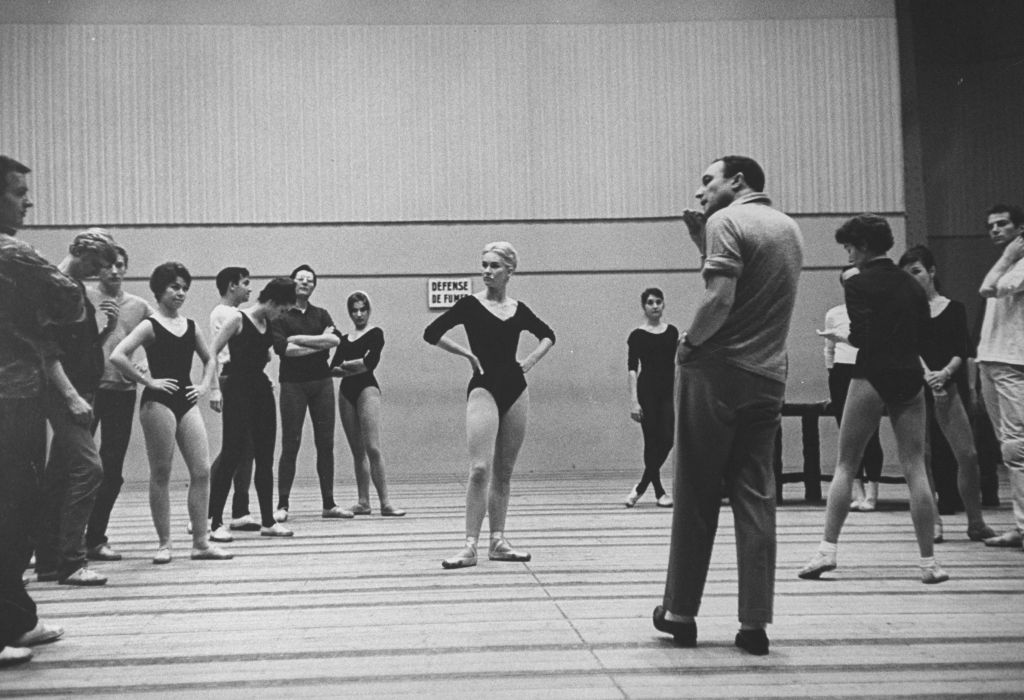
Gene wanted to be remembered not for what the world had made its own — his charisma internalised into the very concept of what happiness could be — but for what it rarely is. His heart was always behind the camera rather than in its eye.
The director. The choreographer. The architect of a new language of movement.
“If anyone is going to do that,” he said, “it will be you.”
She inherited his collection — his photographs, letters, manuscripts and costumes; his shoes; his handwriting on the choreographic notes, nearly illegible to everyone but her. The physical remnants of a man who gave the world everything it asked of him, and kept the truth of how he did it close to himself.
“I own these items,” she has said, “but I don’t really feel that I do. I feel they belong to the world.” She is, as she puts it, their custodian.
She cannot imagine stepping away from any of it. It begins, always, with him.
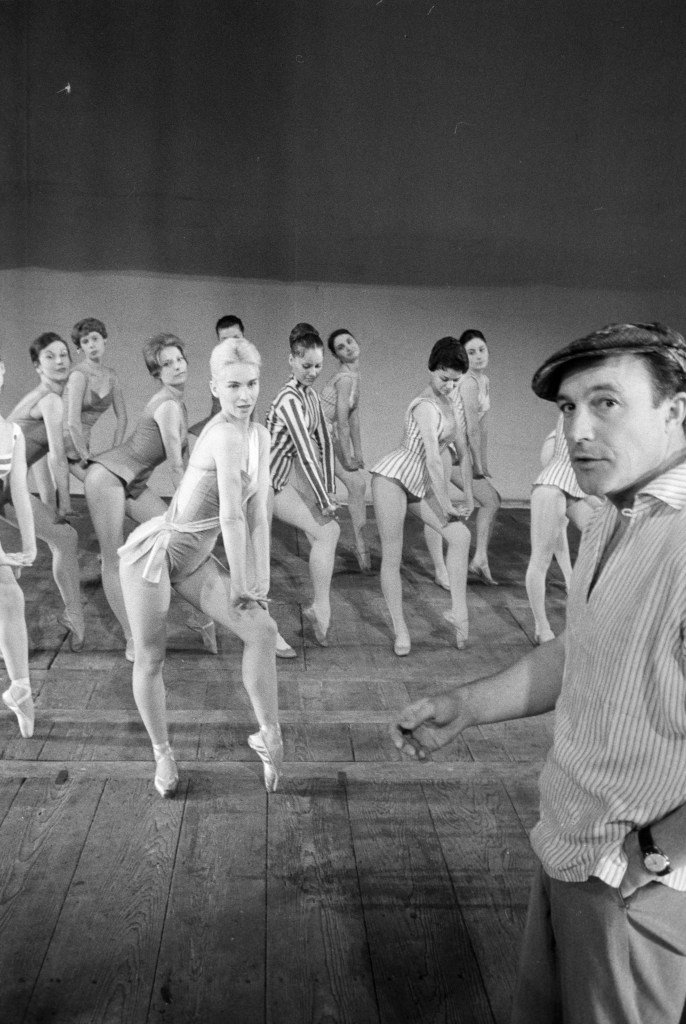
Gene Kelly was a classically trained ballet dancer, unbeknown to many. Fred Astaire had given the golden age its elegance. Gene gave it its earth. The world knew the tap dancer, the movie star — the side-smile, the scar he always refused to mask with make-up, the physical pliability that seemed to belong to the very select few. What it did not know — what it rarely took the time to discover — was that behind it all stood a man who had studied the craft with such dedicated rigour, and who knew exactly what it demanded from the body.
He believed that movement must serve the story. That a choreographer must speak every language of dance — tap, jazz, ballet, acrobatics — choosing each one according to what the context expected. In The Pirate, no tap: the period would not allow it. In An American in Paris, tap for the American, ‘en pointe’ for the French — the bodies themselves telling you who these people are before a single word is spoken. He was a polyglot of dance.
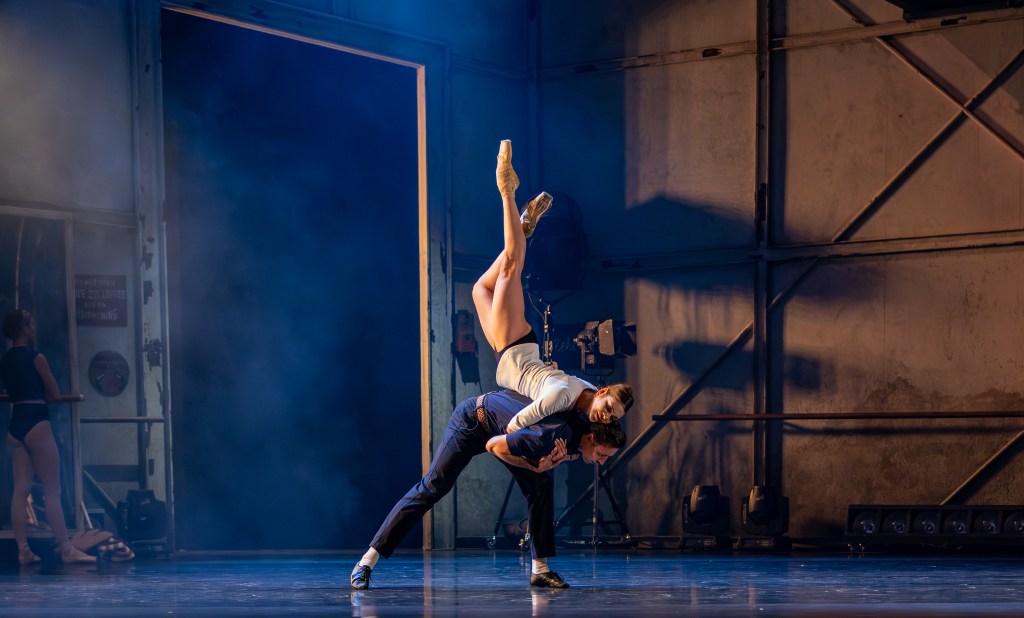
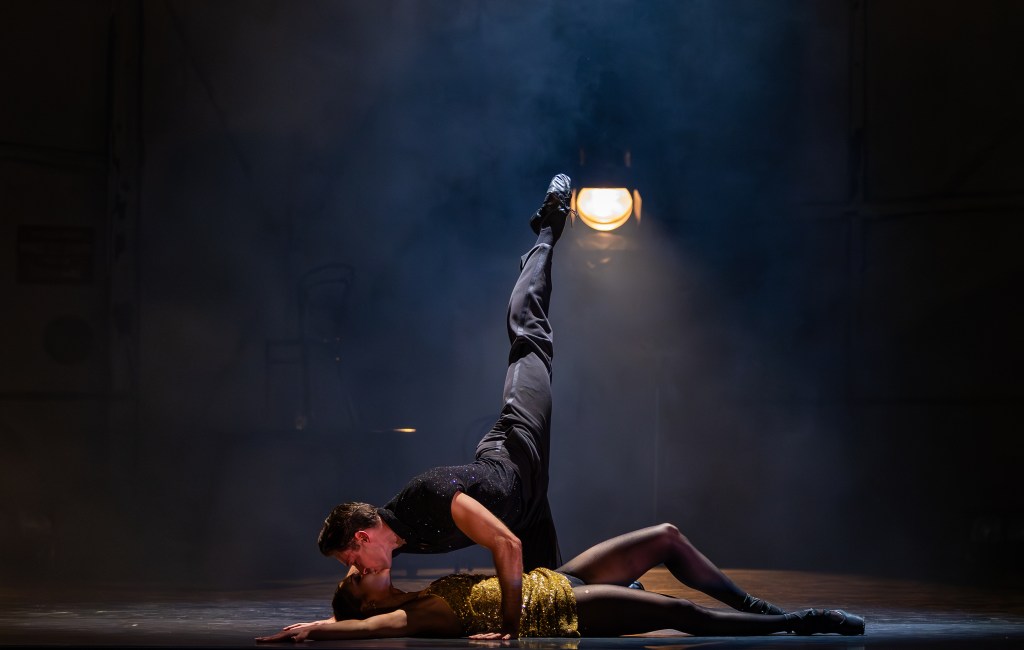
Pas de Dieux — Step of the Gods — was his declaration. Created for the Paris Opéra Ballet in 1960, the first work by an American-born choreographer ever to grace that stage, it was Gene’s ode to the form he had always loved most deeply. A love story between the divine and the human — Aphrodite and Zeus, set in the simplicity of a French farce — materialised through the music of George Gershwin.
Jazz. At the Palais Garnier. A milestone.
Ballet dancers are trained to resist gravity. Gene asked them to surrender to it. To let the floor sustain them rather than fight it. To break the elongated silhouettes of their form which had been moulded since childhood and send it down towards the earth. Jazz was a misunderstood language to their bodies. Even the ability to snap their fingers on the second beat was challenging. Gene spent weeks drawing it out of them. Tirelessly.
On opening night, the most celebrated names in Paris were in their seats. Poets. Writers. Dancers. Every name that mattered, came to see what an American had made of their most hallowed stage.
The response was rapturous.
One review would declare it had blown the dust off the Garnier chandeliers.
Gene was made Chevalier of the Légion d’honneur that starlit evening in the foyer.
And then, for sixty years, it waited.
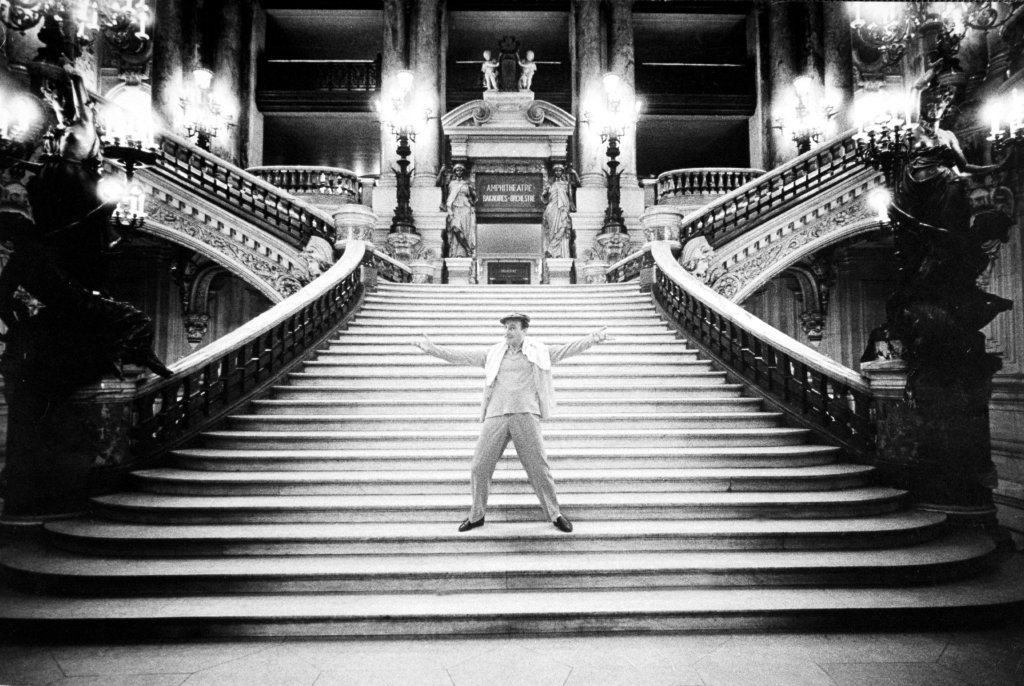
The world moved on, as worlds do. Pas de Dieux remained in the archive — in Gene’s handwriting, in his notes, in the collection Patricia would one day inherit and protect. A triumph held in trust. Waiting for someone who would know what it deserved.
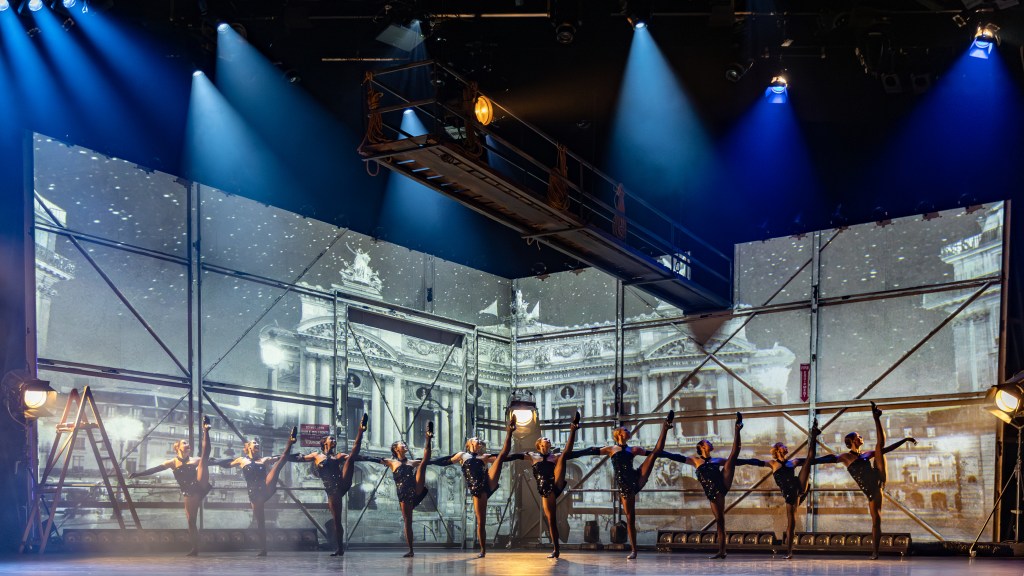
She found the answer on a gilded staircase. That staircase — the great marble sweep of the Palais Garnier, where Gene had once stood with his arms open to the building as though claiming it for everything he believed in. Going up those steps one afternoon with her friend Christopher Hampson, CEO and Artistic Director of Scottish Ballet, she said it almost as a whisper.
“Gene did a ballet here. You should do it.”
Christopher said yes. His diary was booked — it would require patience. Patricia, who had spent twenty years searching for the right home for Pas de Dieux, found patience no problem at all.
Then Covid came. Christopher was relentless nevertheless.
They worked over Zoom — three people, connected by a single endeavour.
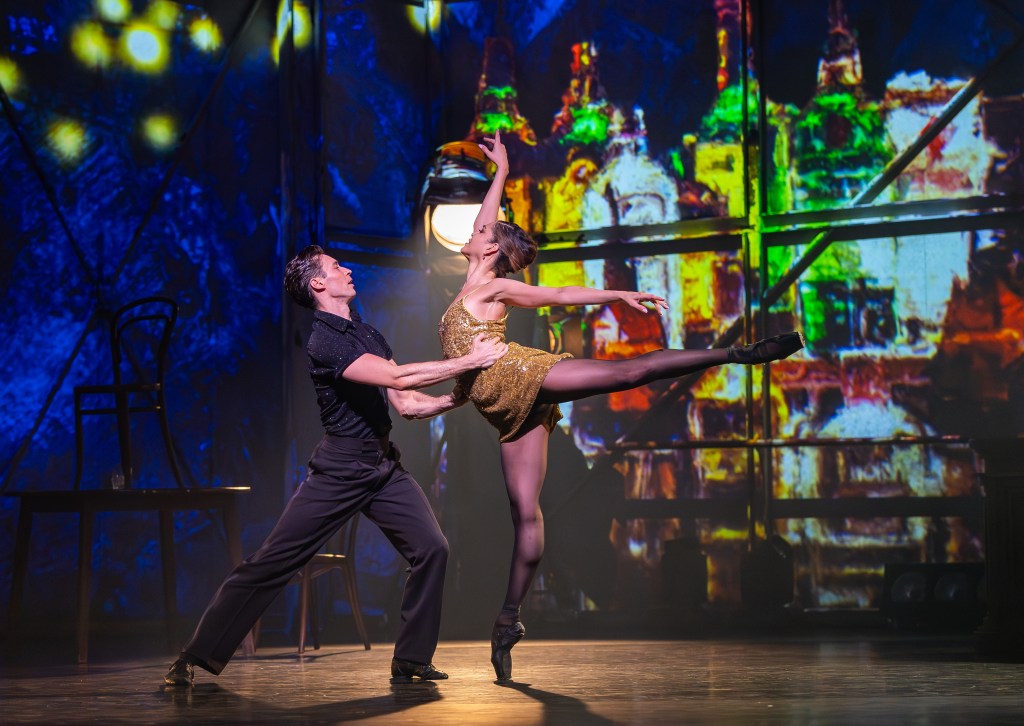
Patricia in Los Angeles, with Gene’s score before her: his handwritten notes. She alone could read his choreographic shorthand — a tango step here, a jazz run there, a note that simply read ‘wiggle hips’. Christopher translated what she read into breathless art.
Lez Brotherston reinterpreted the sets and costumes from the original photographs, honouring what came before.
The collection was not in storage — it was alive.
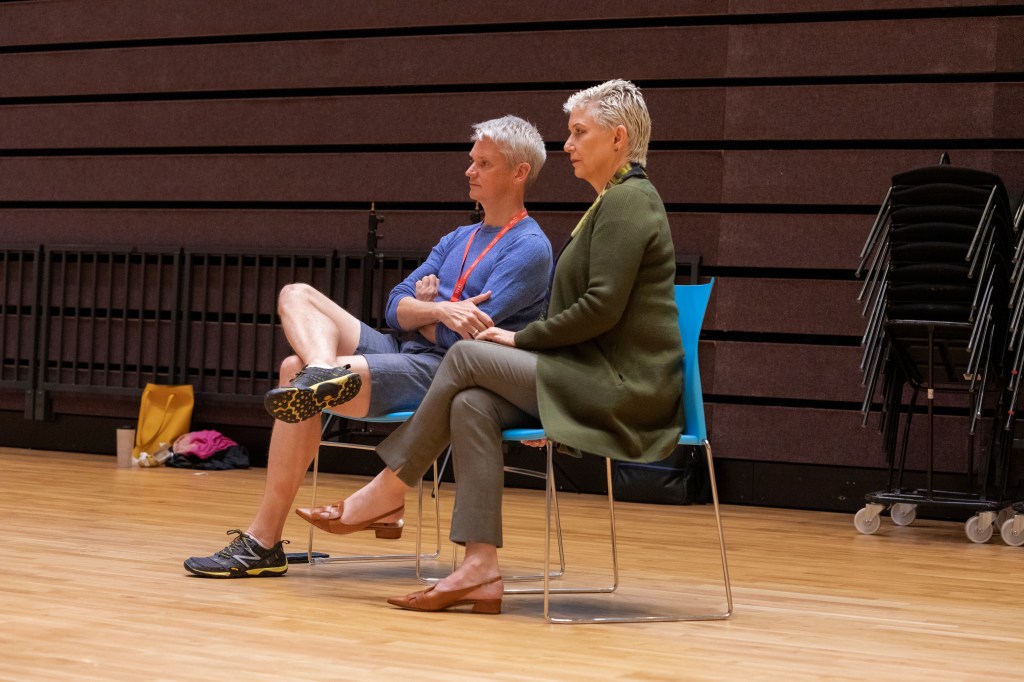
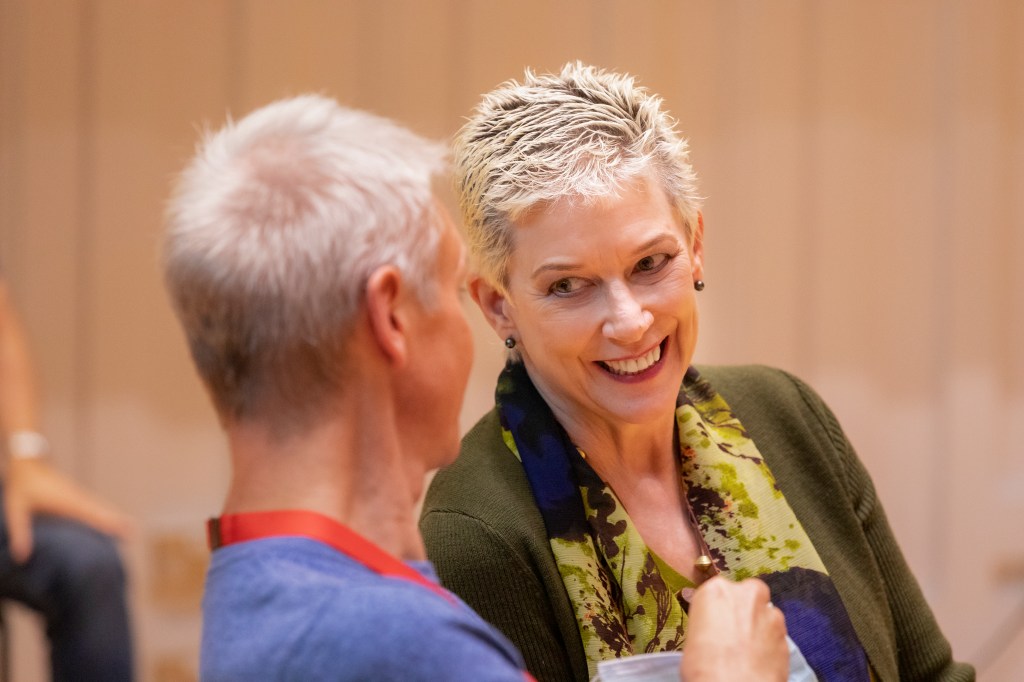
At last the world premiere opened in Scotland in the autumn of 2021. Despite the limited masked audience, with a recorded musical track in place of a live orchestra, Gene’s Pas de Dieux, now Starstruck, could dance again. It was for Patricia, when she walked onto the stage to embrace Christopher at the close of the evening, pure joy.
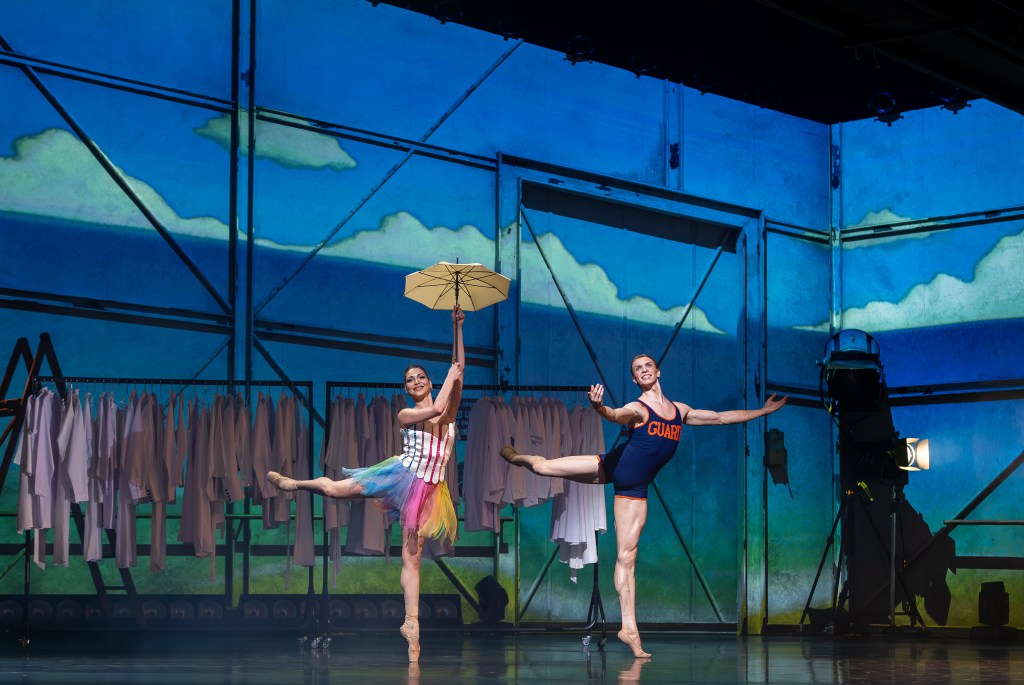
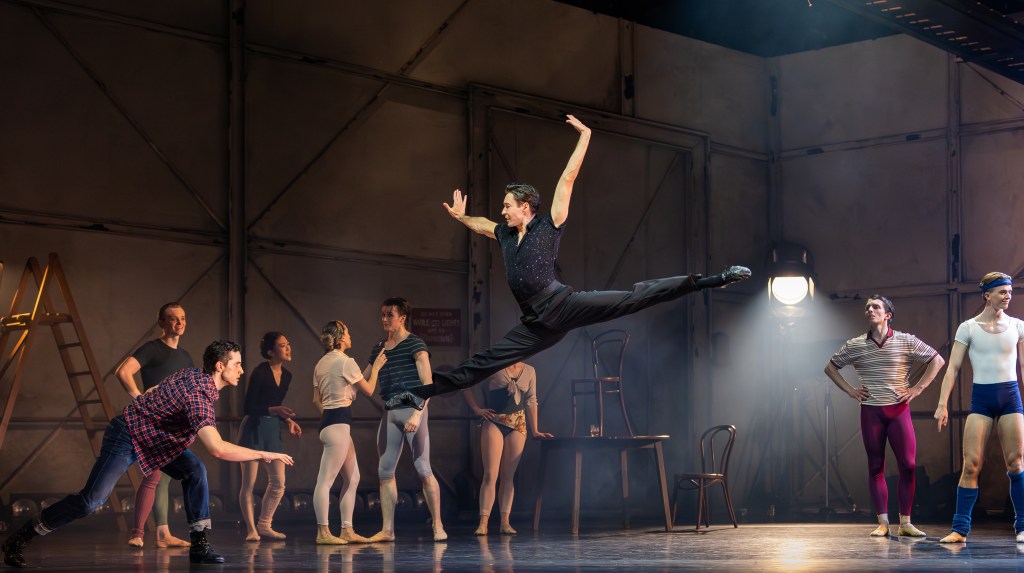
Then, in April 2026, the vision was realised. Christopher had gone further still — creating an entire First Act to precede Gene’s work, built from his movement vocabulary, the half which was never written. Glasgow was graced with the production exactly as Christopher and Patricia had always envisaged it: a full, unrestricted tour with the Scottish Ballet Orchestra bringing the score to life. The years between both productions had come to rest. The promise, complete. Audience, dancers, creative visionaries — all of them honouring the man who had traded top hat and tails for slacks and a t-shirt, and brought dance to the ordinary man.
The dancers turned. They raised their right hands towards the photograph of Gene projected at the back of the stage.
She has one fear.
Not for herself. But for what becomes of it all — the collection, the archive, the handwriting only she can decipher — when she is no longer here to hold it. Gene had a word for it. Kick the bucket — his phrase, always his, not hers, and she uses it the way she uses everything: honestly, and without pretence.
It will not come to this.
Though she cannot yet make a formal announcement, Patricia has confirmed that Gene’s collection will find its permanent home, housed in a distinguished institution, available to the world, held in perpetuity. The man who chose to be behind the camera rather than in its eye will be forever remembered for exactly that.
And then there is the memoir. The book that began everything between them — his life, in his own words, given to the one person he trusted to receive them. It is coming.
If we have no one to share our stories with — no one to delve into them, to explore them, to relive them — then when we are gone, they go with us.
Gene Kelly had someone.
Who else to bequeath a life to, but the one who listened to every heartbeat. Who saw every tear. Who heard the ripple of laughter and held the soul — selflessly. Infinitely.
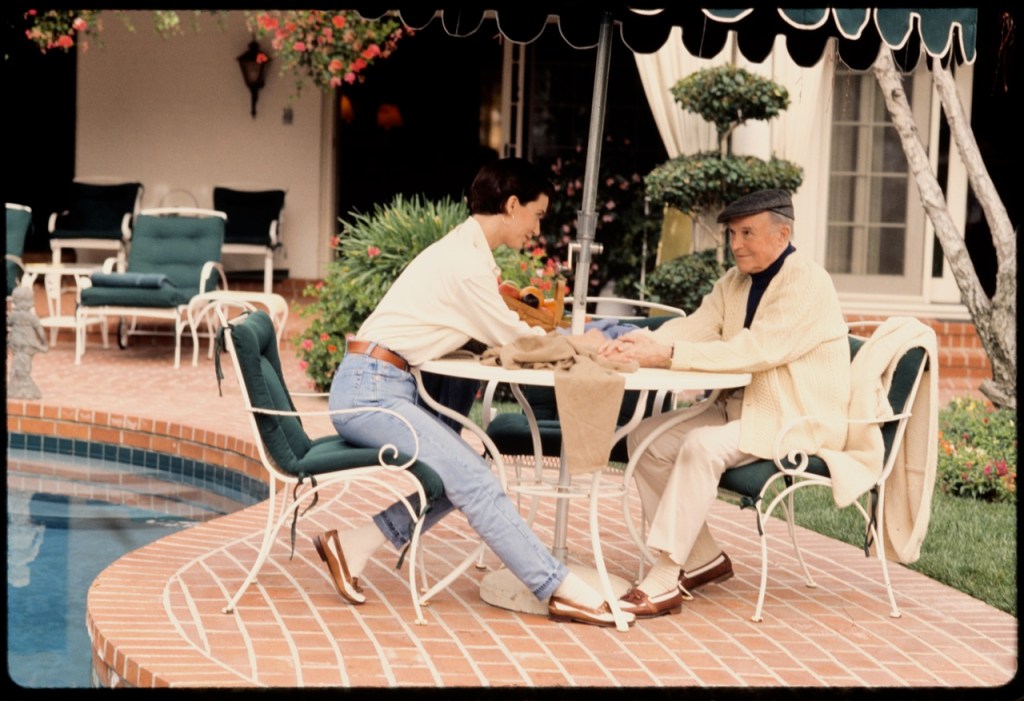
Patricia has spent thirty years making sure that none of it is forgotten. That his art, his words, his confessions spoken over a decade with ice clinking softly in a glass — all of it remains. All of it still belongs to the world.
She gave him something no archive can hold. The slow, subtle love that clears the air so gently that one day, without quite knowing how, the beloved finds themselves ready to face what had always been there.
At the close of her written answers — after everything she had shared, after all those years of keeping faith, after the staircase in Paris and the raised hands in Glasgow — she ended, reverently.
I am grateful.

 neunmagazine.com